
Last updated October 16, 2026
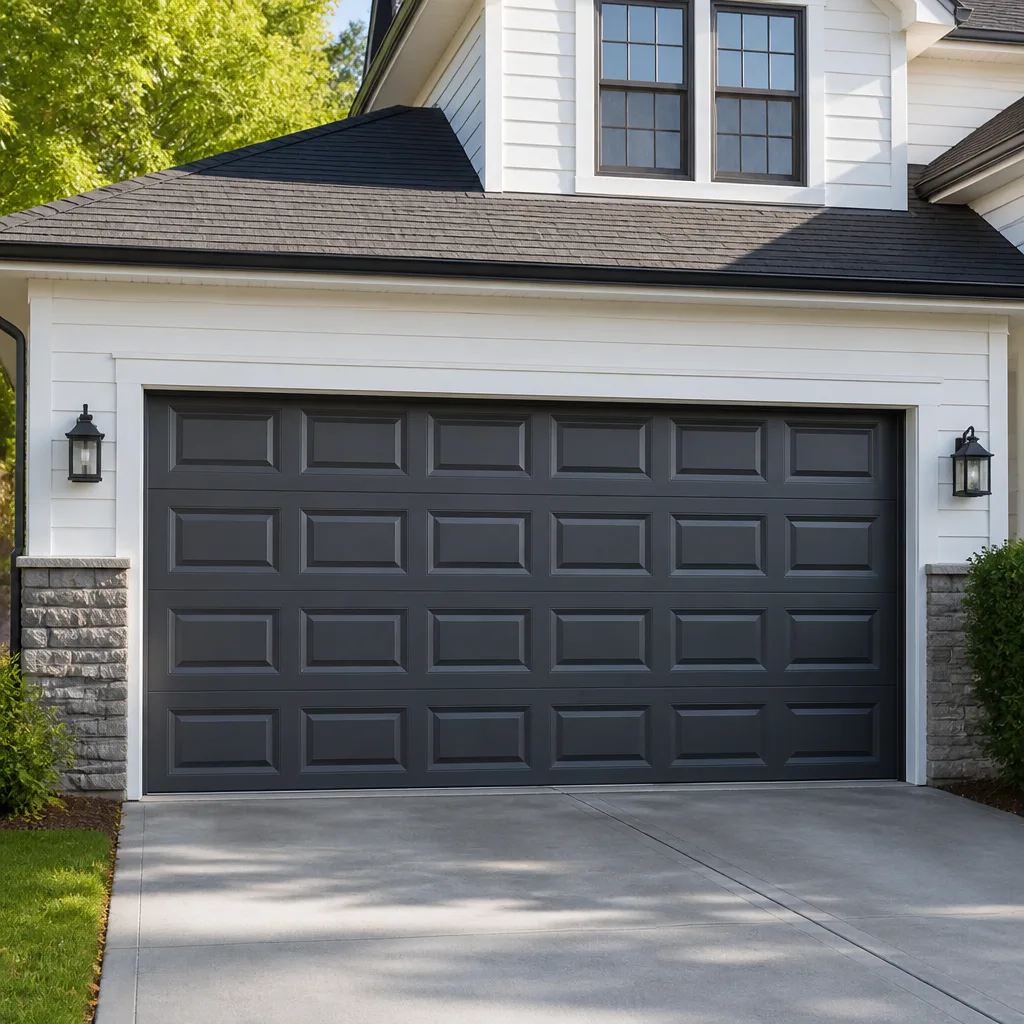 Raised-panel steel
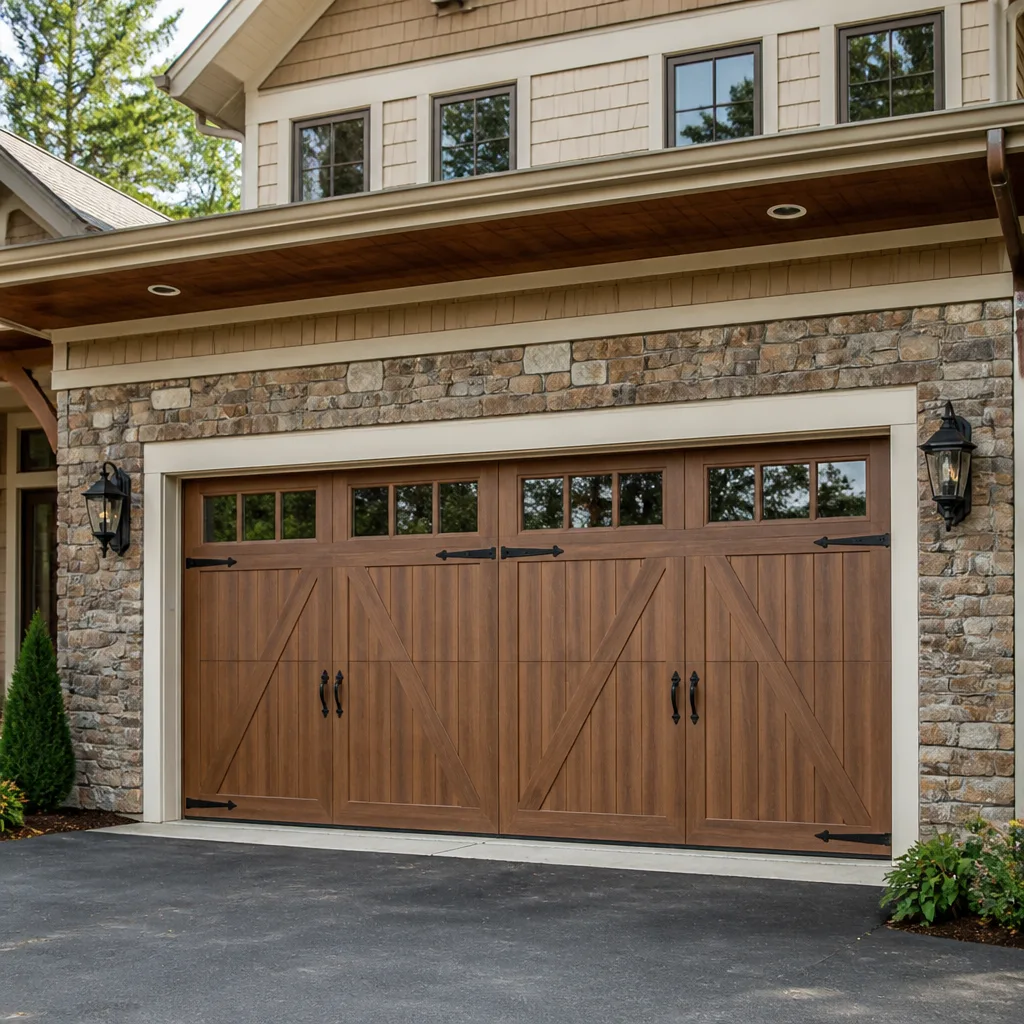 Carriage house
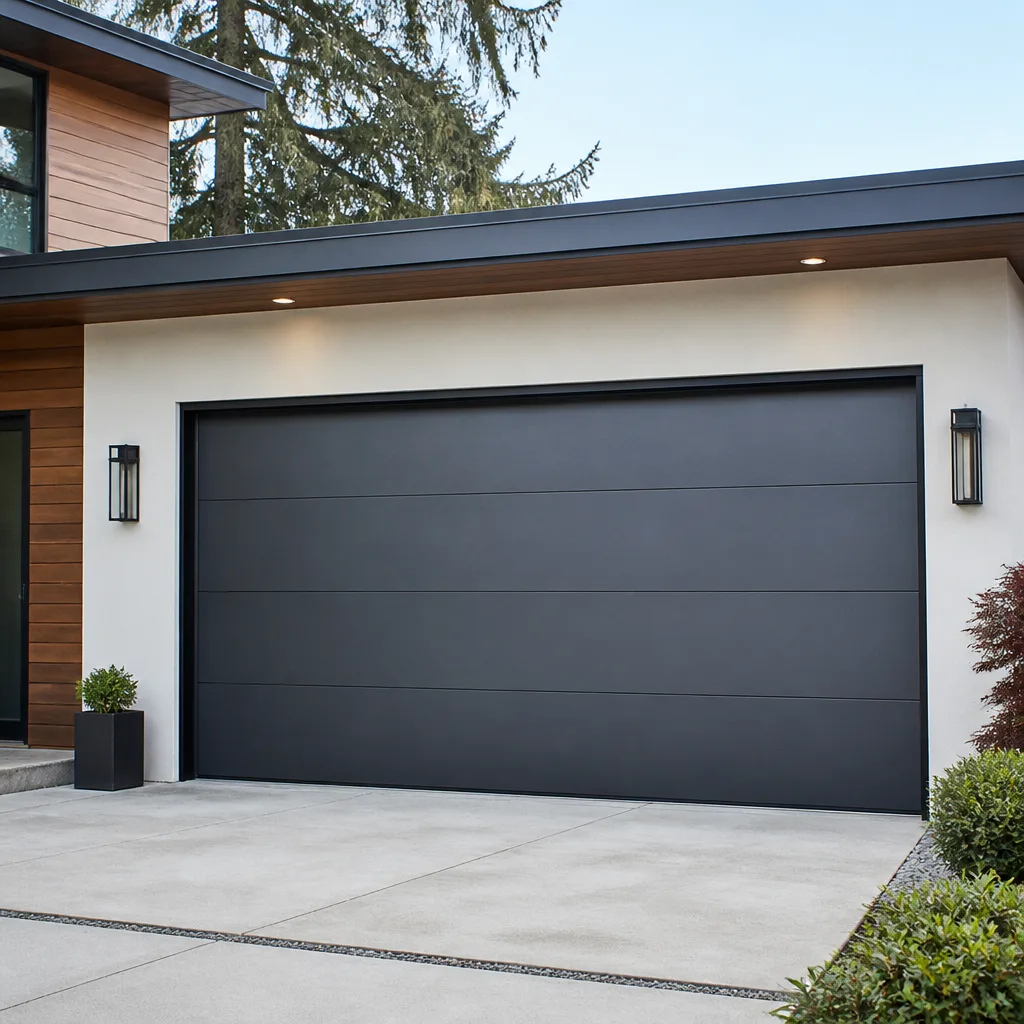 Modern flush
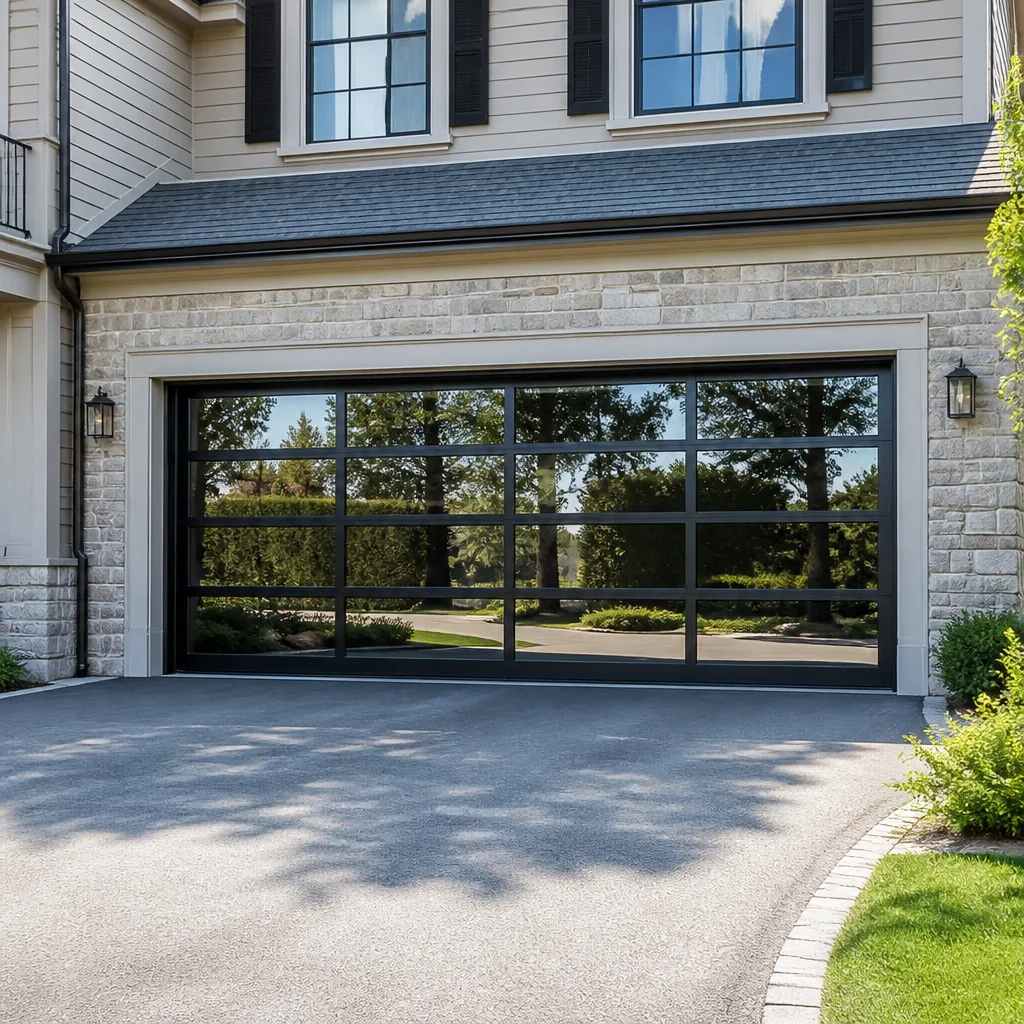 Full-view glass
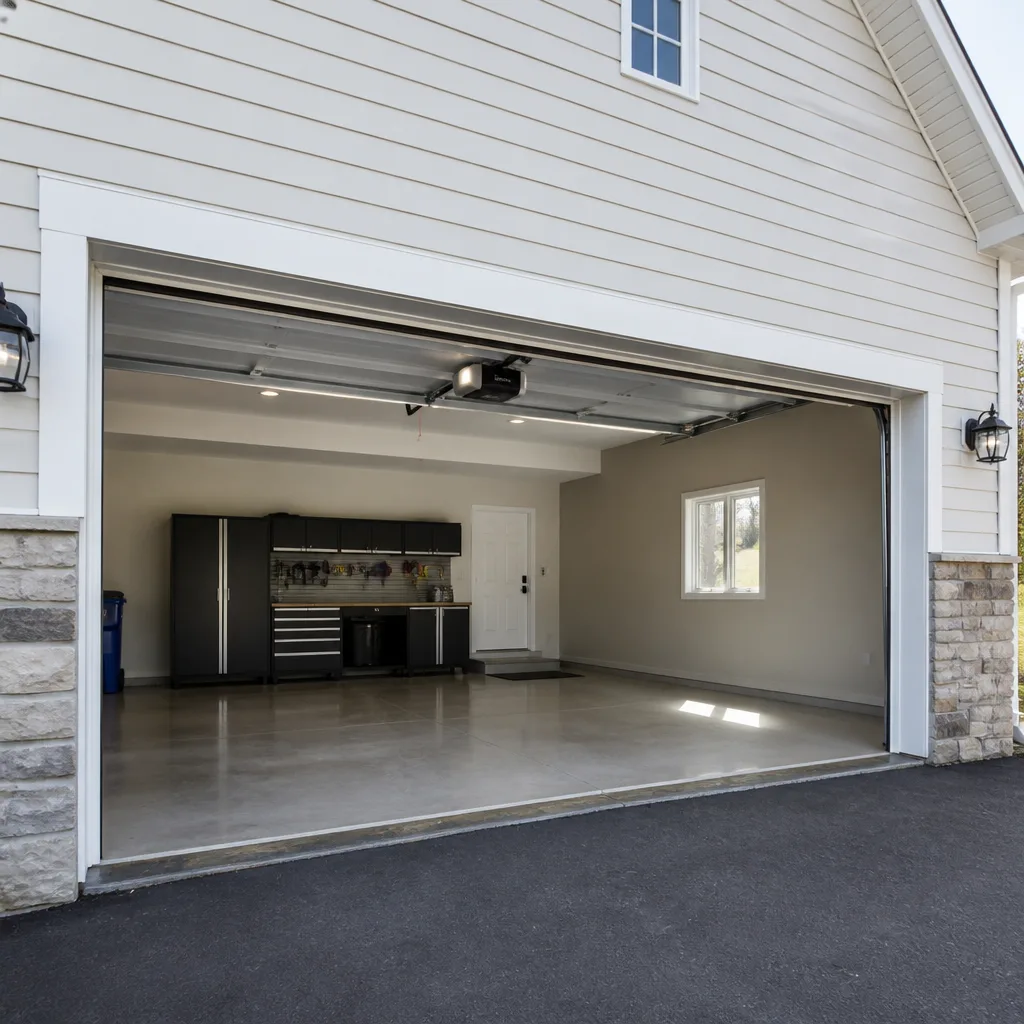 LiftMaster openers
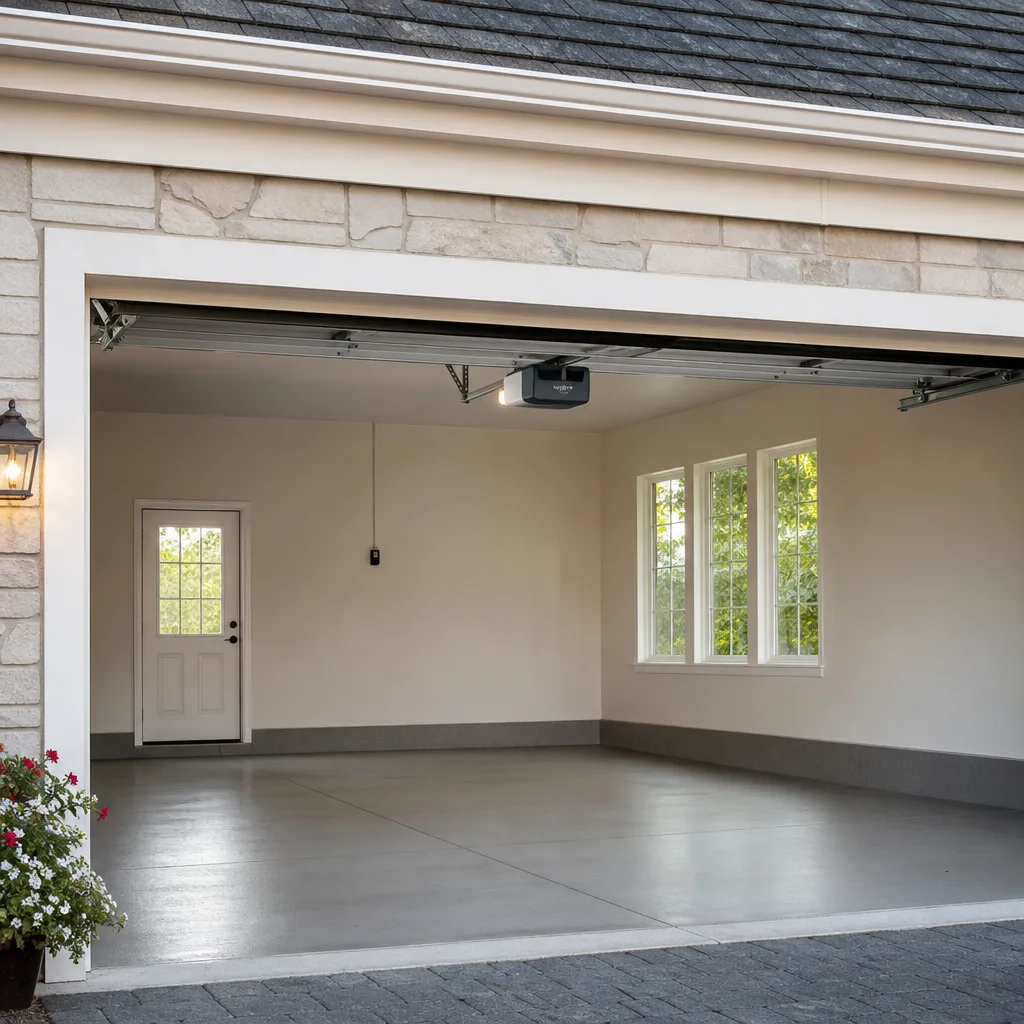 Chamberlain openers
Full 25-point door and opener safety check with every visit - springs, cables, rollers, tracks, and your LiftMaster or Chamberlain opener included
You get a price before we start. It does not change when the truck arrives.
Get your free estimateGarage Door Repair Maintenance Checklist for Fort Worth Homeowners
Most Garage Door Repair services calls we run in Fort Worth trace back to a small problem that sat ignored for months. A spring that lost tension in March becomes a snapped cable in August. A dry bearing in October becomes a burned-out opener motor by February. The frustrating part is that a 15-minute inspection catches nearly all of it. The problem with most online checklists is they were written for Ohio or Oregon, not for 105-degree summers, gumbo clay soil, and the freeze-thaw cycles that hit North Texas every winter. This checklist is written from what we actually see on service calls across Fort Worth, and it explains what each task catches before it becomes a repair bill.
Quick Answer
A garage door maintenance checklist for Fort Worth homeowners should follow the weather calendar: test spring tension and balance every March and October, lubricate rollers and hinges with a silicone-based product every six weeks during summer, inspect cables and seals after every hard freeze, and listen for grinding or popping sounds that signal worn parts. Most of this takes under 20 minutes and requires no special tools. The parts that matter most in Fort Worth are the torsion springs, the bottom seal, and the opener’s drive gear, because heat, dust, and shifting foundation soil hit those three hardest.
Styles & brands we work with
Table of Contents
- Why Fort Worth Weather Changes the Maintenance Math
- The Month-by-Month Fort Worth Maintenance Calendar
- How to Test Spring Tension and Balance Without Tools
- Lubrication the Texas Way: What Holds Up, What Breaks Down
- The Three Sounds a Fort Worth Garage Door Makes Before It Fails
- What to Document After Each Inspection
- Common Mistakes to Avoid
- When to Call a Professional
Why Fort Worth Weather Changes the Maintenance Math
A garage door in Fort Worth lives a harder life than one in most of the country. The summer heat is the biggest factor. Surface temperatures on a west-facing garage door can hit 140 degrees in July and August. That kind of sustained heat breaks down petroleum-based lubricants into a sticky paste that traps dust and grit. The clay soil under most Fort Worth homes expands and contracts dramatically with moisture changes, which shifts the garage slab and throws the door tracks out of alignment. And the winter freezes, even though they’re short, cause metal parts to contract suddenly and expose any weakness in a cable or spring that was already fatigued.
What this means practically: a maintenance schedule built for a mild climate will miss failures here. A door that works fine in October can bind in a February freeze or sag in a June heat wave. The checklist below is built around Fort Worth’s actual weather calendar, not a generic four-seasons template.
The Month-by-Month Fort Worth Maintenance Calendar
Here is the schedule we recommend to homeowners across Fort Worth. It’s built around the specific stress points each season brings.
March: Pre-Heat Spring and Balance Check
March is the single most important inspection month for a Fort Worth garage door. The door is about to cycle through a long hot season, and any spring fatigue or track misalignment will get worse as temperatures climb. Run the balance test described in the next section. Check both torsion springs for gaps in the coil, rust spots, or any visible wear at the ends. Inspect the lift cables for fraying where they wrap around the drum. If anything looks off, address it before the summer heat turns a minor issue into a snapped spring and a door that won’t open on a 100-degree day.
Late May: Seal and Weatherstripping Audit
By late May, the heat and dust are in full swing. Check the rubber bottom seal on the garage door. Fort Worth dust is fine and abrasive, and it works its way under a worn seal and into the tracks and rollers. A seal with cracks, flattened spots, or gaps lets in heat, dust, and the occasional scorpion or snake. Run your hand along the seal with the door closed. You should feel consistent contact with the slab along the entire width. If you see daylight under any section, the seal needs replacement before the real summer heat arrives.
Mid-Summer (July): Lubrication Follow-Up
Every six weeks through summer, hit the rollers, hinges, and the opener rail with a silicone-based lubricant. Do not skip this. The heat evaporates lighter lubricants and thickens heavier ones. A dry roller turns into a flat-spotted roller in about eight weeks of daily cycling in a Fort Worth summer. Flat spots make the door shake and rattle, which loosens hardware over time. This five-minute job is the cheapest insurance on this entire list.
October: Post-Summer Hardware Tightening
After a long summer, vibration and thermal expansion have worked on every bolt and screw on the door and track system. Go around with a socket set and check the track bolts, hinge screws, and opener mounting brackets. A loose hinge screw allows the door sections to pivot slightly out of alignment, which puts diagonal stress on the rollers and the track. Tighten anything loose, then run the balance test again to see how the springs held up through the heat season.
December or January: Post-Freeze Cable and Bearing Check
After the first hard freeze, inspect the lift cables where they enter the drums, the bearings on the rollers, and the opener’s drive gear area. Cold snaps cause metal to contract quickly, and any cable with pre-existing wear may show new fraying. Listen for any new grinding or squealing when the door runs in cold weather, which points to bearing fatigue. Fort Worth freezes are usually short, but they’re the event most likely to snap an already-worn cable.
February: Full System Audit Before Spring Use
As winter winds down, do one full walkthrough: springs, cables, rollers, hinges, tracks, seal, opener force settings, and safety sensor alignment. This catches anything the freeze exposed and gets the door ready for the heavy use of spring and summer. The average Fort Worth garage door cycles four to six times per day. That’s roughly 1,800 cycles per year. Most springs are rated for 10,000 cycles, which sounds like a lot, until you realize that’s only about five and a half years of normal use.
How to Test Spring Tension and Balance Without Tools
The balance test is the single most predictive maintenance step you can do, and it requires no tools. A balanced door stays put when you release it halfway. An unbalanced door drifts, and that drift tells you exactly which spring is failing and how urgent the repair is.
- Close the garage door completely.
- Pull the red emergency release cord on the opener trolley to disconnect the door from the opener. The door should now operate manually.
- Lift the door by hand to the halfway point and let go.
- Watch what the door does over the next three seconds.
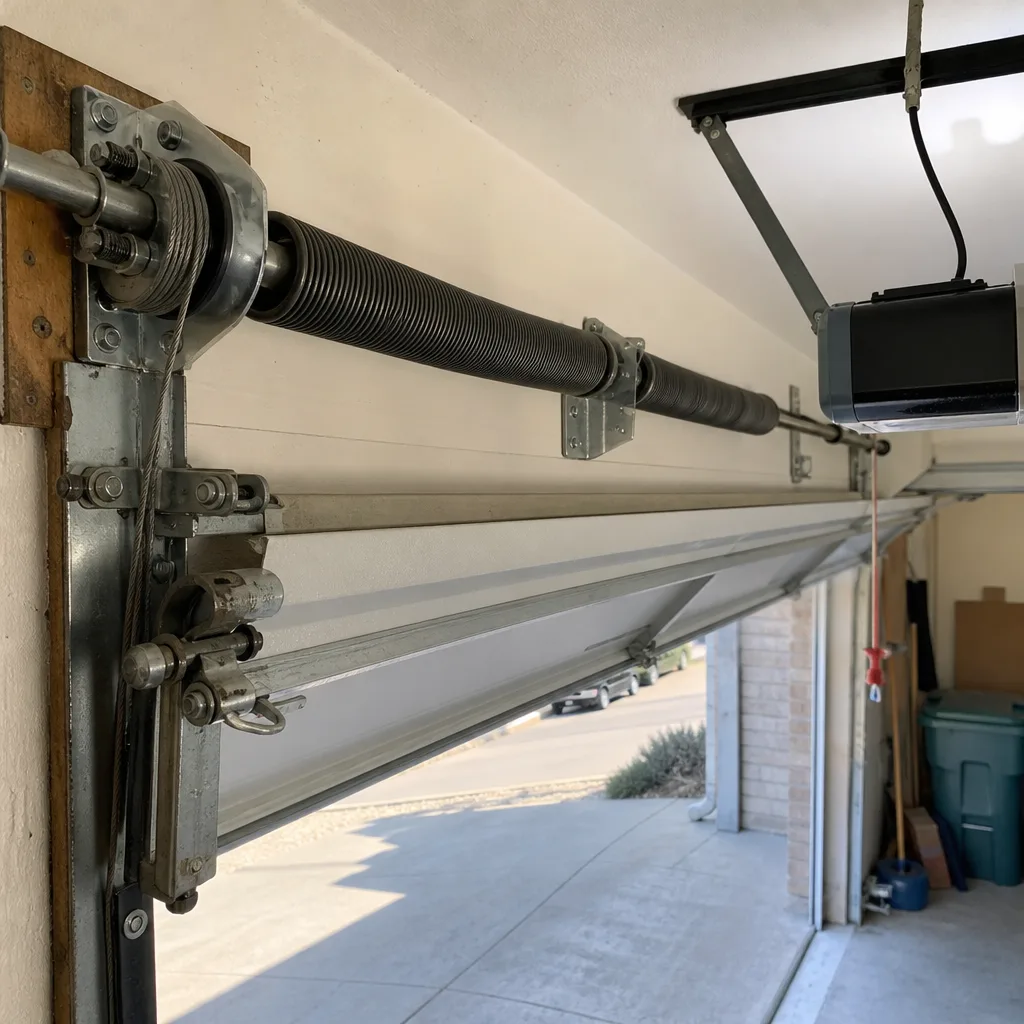
Reading the result: A properly balanced door stays roughly where you left it, drifting only an inch or two. A door that drops quickly has a spring that has lost tension or is broken, and the opener’s motor has been compensating for it every single cycle. A door that rises on its own has a spring overwound or the wrong spring installed. Either result means the springs are not holding the door’s weight correctly, and the opener is doing work it was never designed to do. The fix is to have the spring tension adjusted or the springs replaced. Do not attempt to adjust torsion springs yourself. The torsion spring, the thick coiled spring mounted above the door that bears most of the lifting load, is under several hundred pounds of tension. A slip with a winding bar can cause serious injury. This is the one component where calling a trained professional is not optional.
In our experience running calls across Fort Worth, a door that drops more than a foot in the balance test is typically within weeks of a cable snap or a burned-out opener gear if left unaddressed.
Lubrication the Texas Way: What Holds Up, What Breaks Down
Fort Worth heat is a lubricant killer. The wrong product breaks down into a gummy mess that attracts dirt and accelerates wear. Here’s what we’ve learned works and what doesn’t after years of service calls in Tarrant County.
Use: Silicone-Based Spray Lubricant
A silicone spray rated for high temperatures holds up through a Fort Worth summer without breaking down or attracting dust. Apply it to the roller bearings, the hinges at each section joint, the springs, and the opener rail. A thin coat is enough. Wipe away any excess. The goal is to lubricate the moving metal parts without leaving a wet film that collects dust.
Use: White Lithium Grease for the Opener Gear
The opener’s drive gear and the chain or belt assembly benefit from a light application of white lithium grease twice a year. It’s thicker and handles the constant pressure of the drive system better than a spray.
Avoid: WD-40 and Similar Penetrating Oils
WD-40 is a penetrant and water displacer, not a long-term lubricant. It evaporates within days in Fort Worth heat and leaves the part drier than before. Do not use it as a maintenance lubricant on garage door components.
Avoid: Heavy Axle Grease
Thick grease traps dust and turns into an abrasive paste in a single Fort Worth summer. We’ve seen rollers so caked in old grease and dust that the bearings were completely hidden. That buildup causes the roller to slide instead of roll, which flattens the wheel and scores the track.
For homeowners who want a product recommendation, any silicone spray from the automotive section of a hardware store will do the job. The brand matters far less than the chemistry.
The Three Sounds a Fort Worth Garage Door Makes Before It Fails
Garage doors are noisy machines, but most of the noise is normal and consistent. What you’re listening for is a change. A new sound, or a sound that gets progressively louder over weeks, is the door telling you a part is wearing out. Here are the three most common warning sounds we hear on service calls across Fort Worth, and what each one points to. For a deeper look at symptoms, see our Garage Door Warning Signs: A Fort Worth Homeowner’s Reference Guide.
1. A Loud Pop or Bang During Operation
A sharp pop, especially just as the door starts to move, almost always means a torsion spring broke. The spring is under hundreds of pounds of tension, and when it snaps, the sound carries through the whole garage. After a spring breaks, the door will feel extremely heavy if you try to lift it manually, and the opener may struggle or refuse to move the door at all. If you hear this sound, stop using the door and call a professional. The door is now dead weight, and a secondary failure of a cable or the opener gear is likely if you keep cycling it.
2. A Grinding or Gravelly Rumble
A constant grinding sound as the door moves typically means the rollers’ bearings have worn out. Metal on metal. In a Fort Worth summer, this sound gets worse as heat expands the metal and amplifies the friction. Unaddressed, a seized roller flattens on one side and starts dragging against the track, carving a groove into it. Track replacement is significantly more expensive than roller replacement. If you hear this sound, check each roller for wobble or visible flat spots.
3. A Squeal or High-Pitched Whine from the Opener
A squeal or whine coming from the motor unit, not the door itself, usually points to a worn drive gear or a dry chain. The gear is plastic in most openers, including many LiftMaster and Chamberlain models, and it’s designed to be the sacrificial part that fails before the motor. A dry chain creates a metallic rasp. A worn gear creates a whine that gets worse under load, meaning at the start of the lift. Lubricating the chain and the gear can quiet it temporarily, but if the noise persists, the gear teeth are likely worn and the opener will eventually stop lifting.
What to Document After Each Inspection
Most homeowners do an inspection, find nothing alarming, and move on. Two months later, something breaks, and they call us with no information about when the problem started or how it progressed. A simple dated record makes the eventual repair faster, more accurate, and often cheaper, because a good technician spends less time diagnosing and more time fixing.
Here’s what to write down after each maintenance check:
- Date of the inspection. This establishes a timeline for any issue that develops later.
- Balance test result. Note whether the door held position, dropped slowly, or dropped quickly. A door that’s trending from “holds” to “drifts slightly” over three months tells a technician that spring fatigue is progressing.
- Any new sounds. Note what the sound is, when it happens (opening, closing, only in cold weather, only after rain), and how loud it is on a 1-5 scale.
- Cable condition. Note any fuzz, fraying, or rust at the cable ends. Even a single strand broken is worth documenting.
- Seal gaps. Note which side of the door shows daylight or drafts. Seal wear is rarely uniform, and knowing which side is failing helps identify slab settlement.
- Photos. A quick phone photo of the springs, cables, and seal takes ten seconds and gives a technician something to reference before they arrive.
This documentation habit pays off when you eventually call for service. Instead of saying “the door’s been acting weird,” you can say “the balance test started failing in March, and the left cable showed fraying in June.” That’s a 30-second head start for the technician, and it’s the kind of information that leads to a faster, more accurate written estimate.
Common Mistakes to Avoid
- Lubricating the tracks. The tracks are not supposed to be lubricated. The rollers roll on the track, and oil or grease on the track surface attracts dust and creates a grinding paste. Only lubricate the roller bearings, hinges, springs, and opener rail.
- Ignoring the balance test because the door “works fine.” An unbalanced door still opens and closes, because your opener is doing the extra work. The opener wasn’t designed for that load, and it will fail years earlier than it should.
- Using penetrating oil instead of a real lubricant. WD-40 and similar products evaporate in Fort Worth heat within days. They clean a part temporarily but leave it dry.
- Waiting for a visible failure before calling. By the time a cable is visibly frayed or a roller is visibly flat, the damage has already spread to the surrounding components. The goal of this checklist is to catch failures before they’re visible.
- Tightening the torsion spring yourself. The spring is under constant, enormous tension. Every year, homeowners are seriously injured trying to adjust torsion springs with improvised tools. This is not a cost-saving measure; it’s a risk of permanent injury. Call a professional.
- Skipping the seal because it’s not mechanical. The bottom seal is the cheapest part on the door and the one most responsible for keeping Fort Worth heat, dust, and pests out of your garage. A $40 seal replacement can save hundreds in climate control costs over a single summer.
- Assuming a quiet door is a healthy door. Many failures, especially spring fatigue and gear wear, develop silently. The balance test catches them. Silence alone proves nothing.
When to Call a Professional
Most of this checklist you can do yourself in under half an hour. But some situations are not DIY territory, and waiting makes the repair more expensive. For help choosing a qualified technician, read our How to Hire a Garage Door Contractor in Fort Worth: A Step-by-Step Guide. Call a professional if your door fails the balance test and drops more than a foot, if you hear a loud pop or bang from the spring area, if a cable is visibly frayed or has snapped, if the door hangs unevenly from one side, or if the opener motor runs but the door doesn’t move. A garage door is the largest moving object in your home, and the springs, cables, and opener work together under high tension. When one component fails, the others take on the load and fail soon after. Brock Garage Doors Fort Worth offers free estimates throughout Fort Worth, and our technicians arrive background-checked and uniformed. Call (682) 730-8314 and describe what you’re seeing. We’ll give you a written price before any work begins.
See the difference
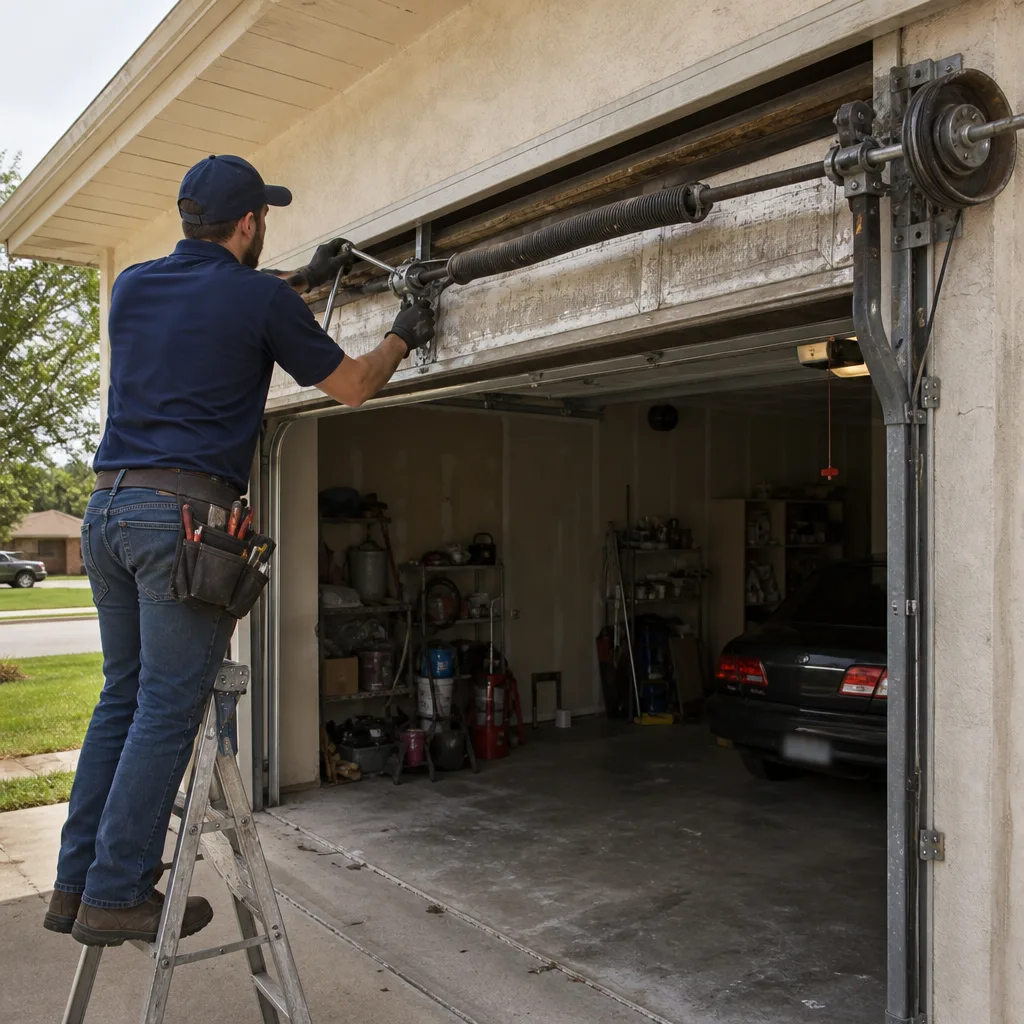 Before
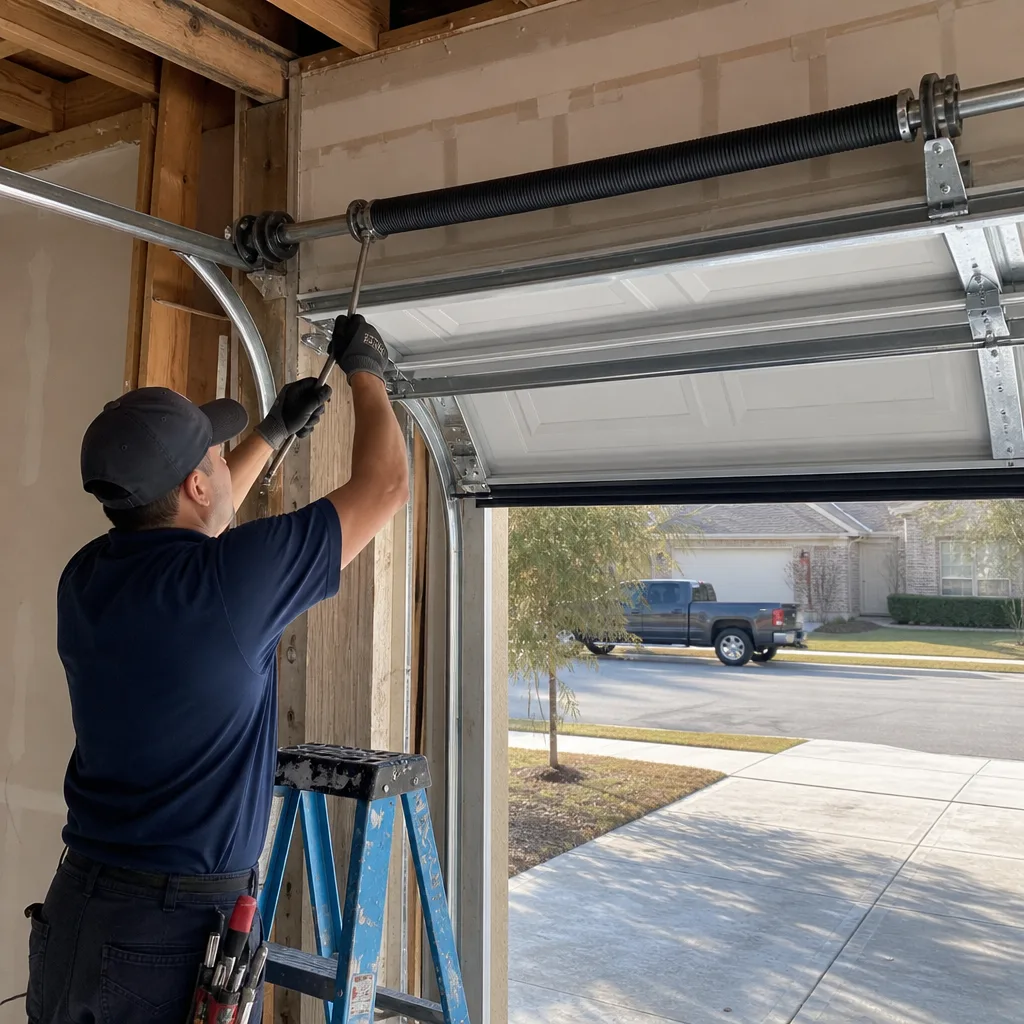 After
After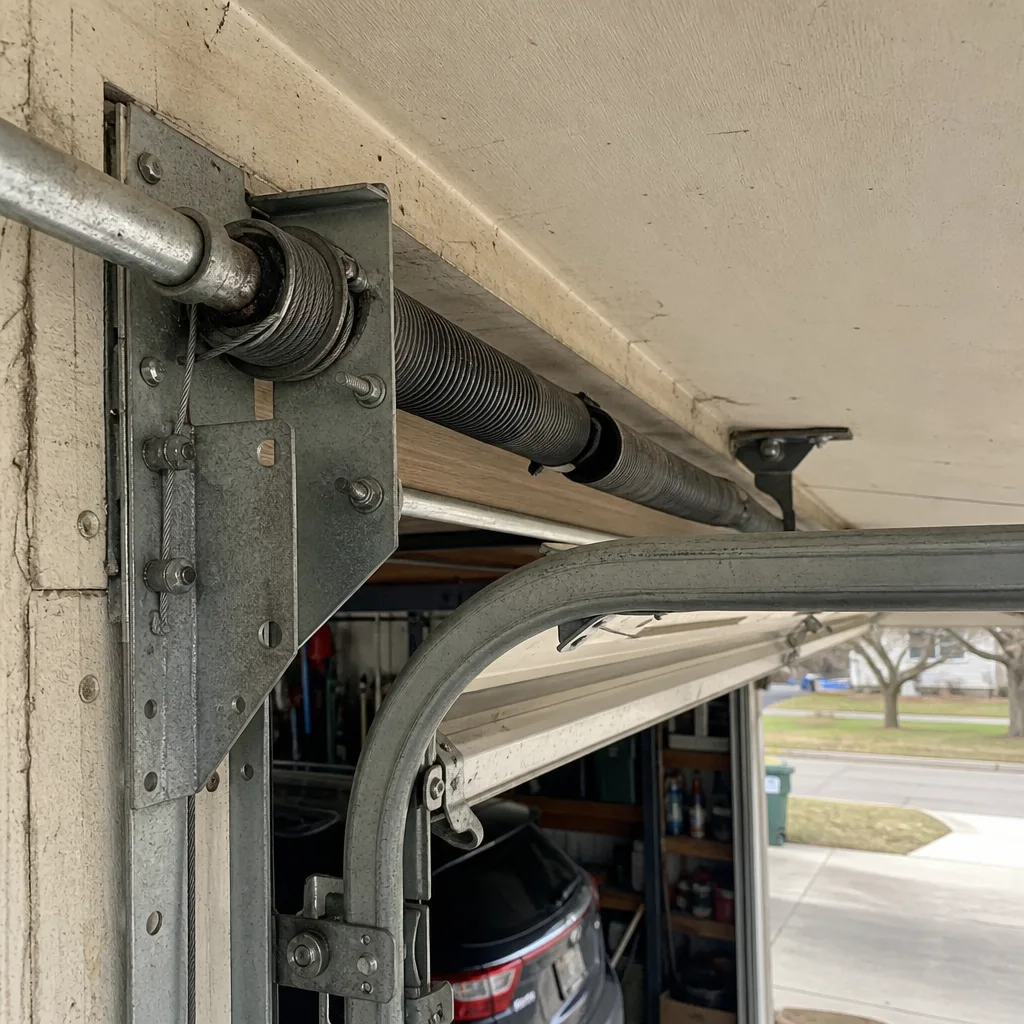 Before
 After
After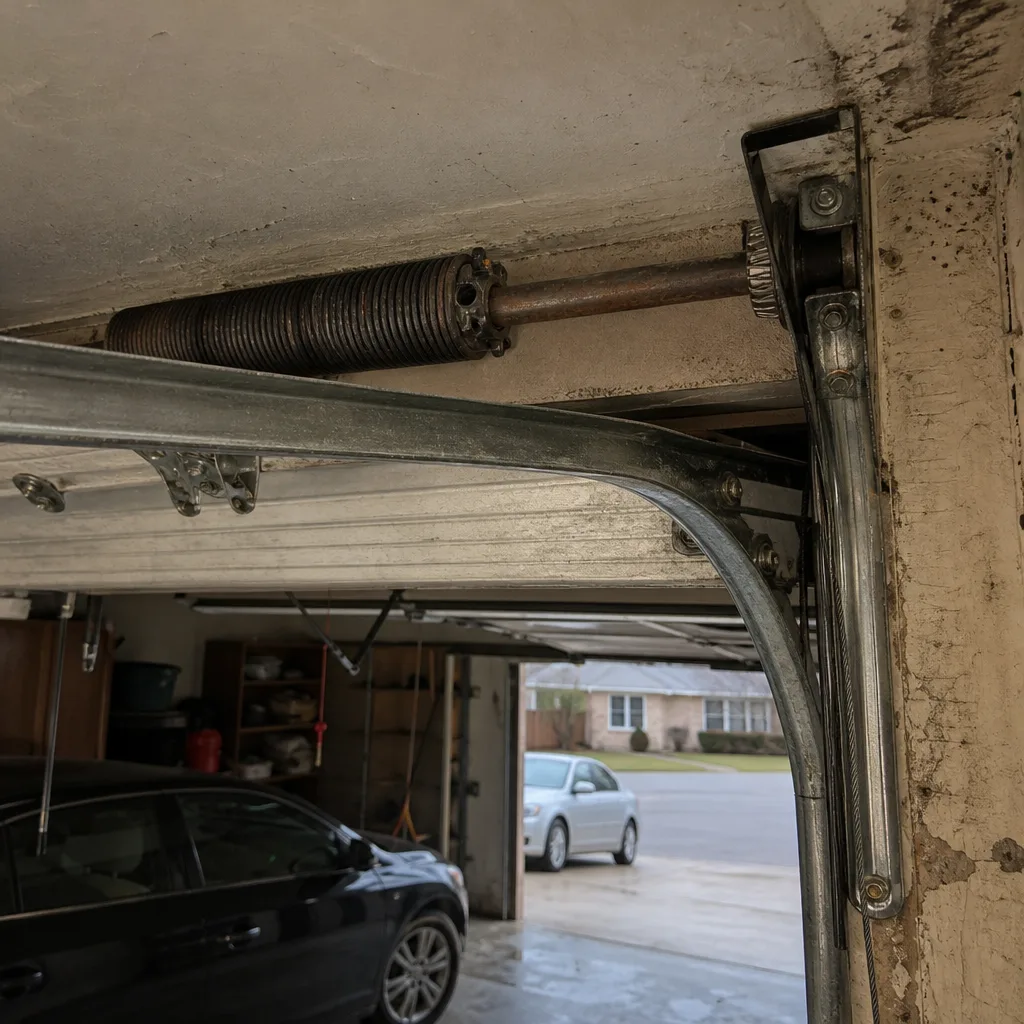 Before
 After
AfterFrequently Asked Questions
Run the full inspection checklist every March and October, and do a quick lubrication pass every six weeks during the summer months. Fort Worth’s heat and dust accelerate wear faster than a milder climate, so the summer lubrication cadence matters more here than it does elsewhere in the country.
Most torsion spring replacements in the Fort Worth area run between $180 and $350 for a pair, depending on spring size, cycle rating, and whether the door has one spring or two. At Brock Garage Doors Fort Worth, the price is written down and handed to you before any work starts, and the repair is covered in writing for a full 365 days. Call (682) 730-8314 for an exact quote.
You should not. The lift cables work in tandem with the torsion springs, and both are under enormous tension. A cable that slips or snaps during a DIY repair can cause the spring to release violently. The risk of serious injury isn’t worth the cost of a professional repair, which typically runs $150 to $275 depending on cable type and drum condition.
A loud bang during operation almost always means a torsion spring has snapped. The spring breaks under tension, and the released energy makes the sound. After the snap, the door becomes extremely heavy and the opener may burn out trying to lift it, so stop using the door immediately and call a professional.
Use a silicone-based spray lubricant on the rollers, hinges, springs, and rail. It holds up in Fort Worth’s summer heat without breaking down or attracting dust. Apply white lithium grease to the opener drive gear twice a year. Avoid WD-40, which evaporates too quickly in heat, and avoid heavy axle grease, which traps dust and becomes abrasive.
Not with us. At Brock Garage Doors Fort Worth, the written price is handed to you before any work starts, and the number on the invoice matches the number you approved. If a covered repair fails within 365 days, we return and correct it at no charge. That guarantee is in writing on every job. For garage door repair in Fort Worth, get the number first and the work second.
The Bottom Line
A garage door maintenance checklist for Fort Worth works when it follows the weather calendar, not a generic seasonal template. Test the spring tension twice a year in March and October. Lubricate with silicone every six weeks through the summer. Check seals before the heat arrives and cables after the first freeze. Document what you find, because a dated record turns a vague service call into a fast, accurate diagnosis. Most garage door failures in North Texas are predictable months before they happen. The difference between a $40 roller replacement and a $400 track replacement is often just a few minutes of attention at the right time. If your inspection turns up something you’re not comfortable addressing, call Brock Garage Doors Fort Worth home at (682) 730-8314. We’ll give you a free estimate and a written price before anything else happens, whether you need garage door opener repair in Fort Worth or garage door cable repair in Fort Worth. The checklist costs nothing. Skipping it costs a lot more.
Written by Wade Mercer, Owner at Brock Garage Doors Fort Worth, serving Fort Worth since 2001. Browse our more guides & resources.