
Last updated October 16, 2026
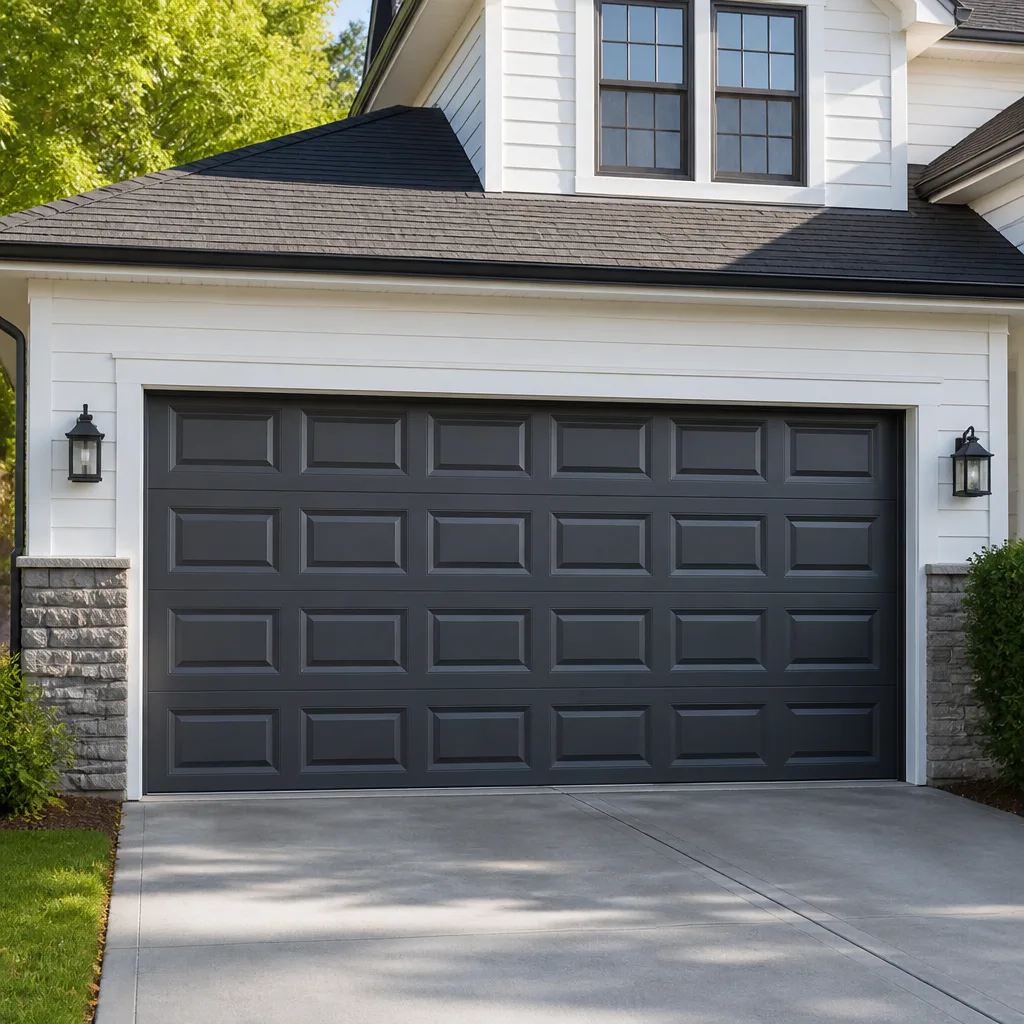 Raised-panel steel
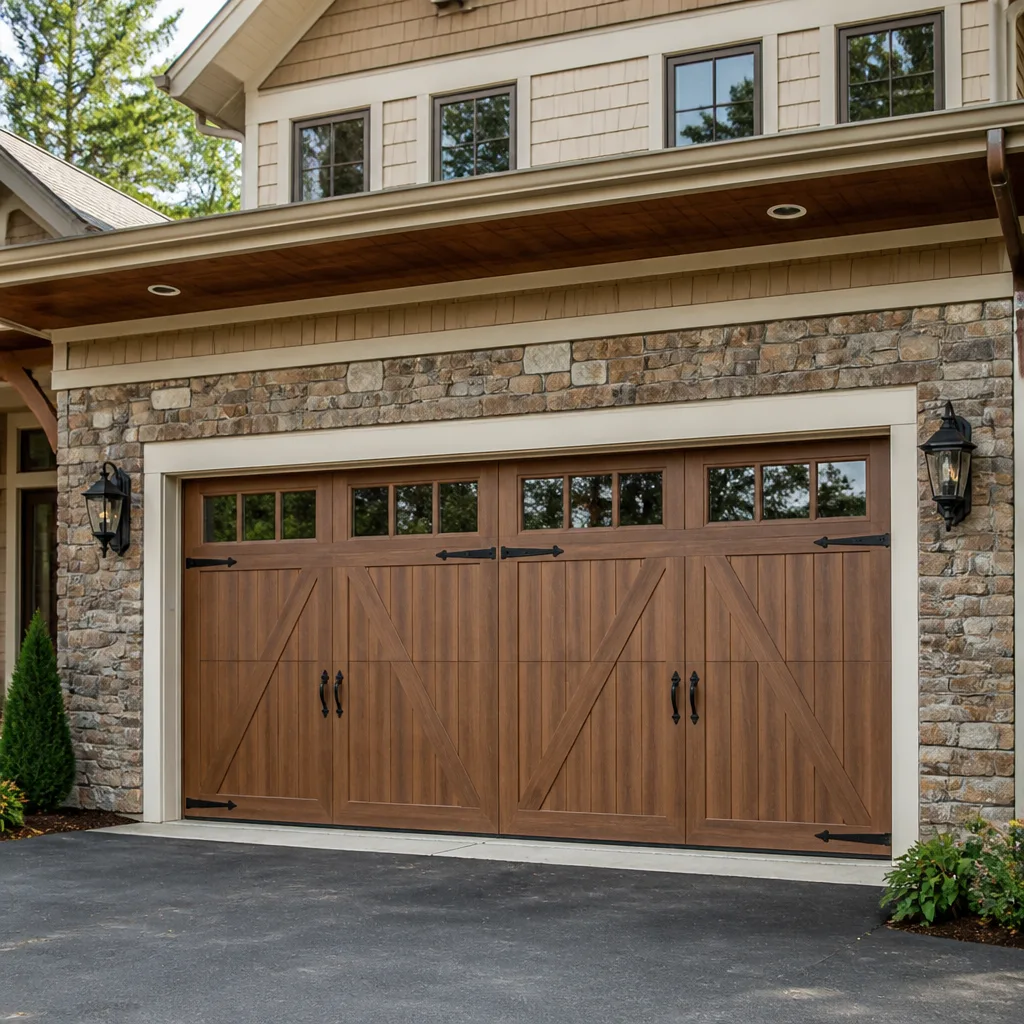 Carriage house
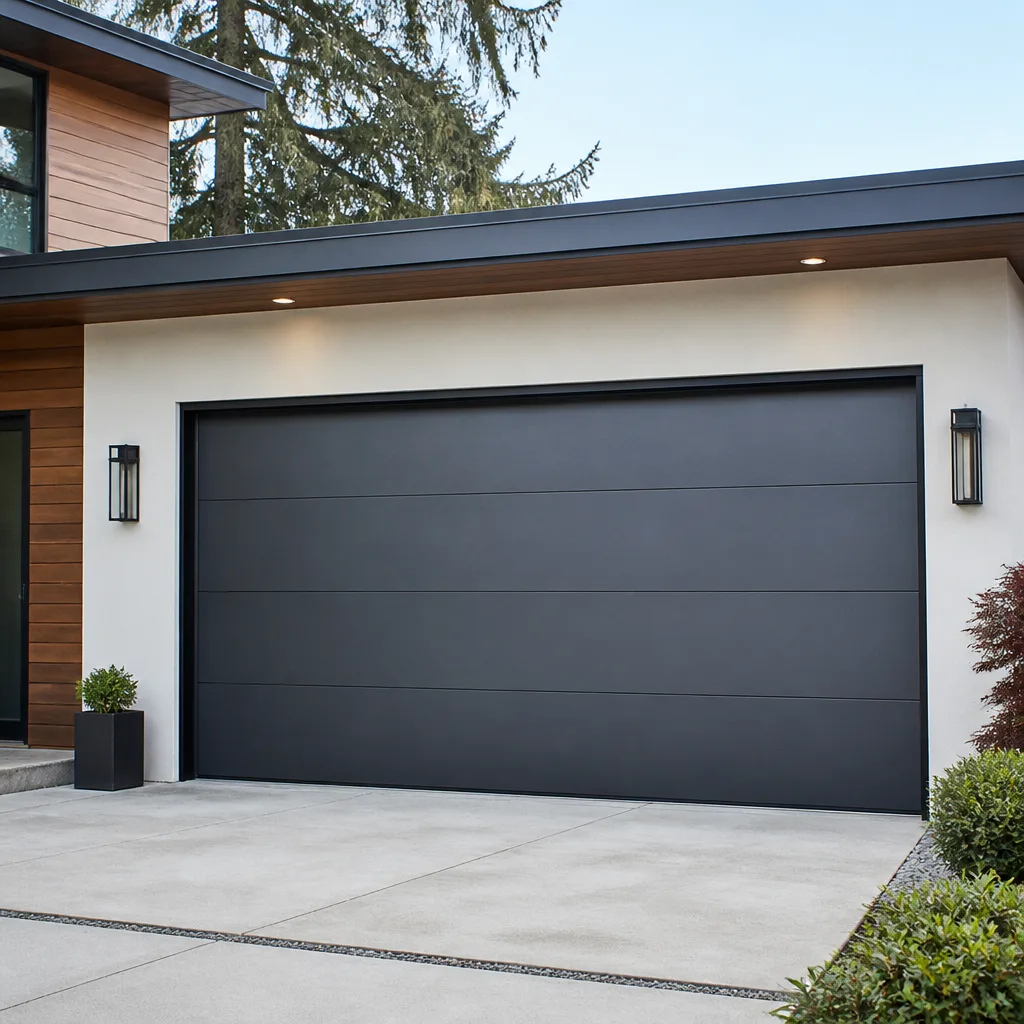 Modern flush
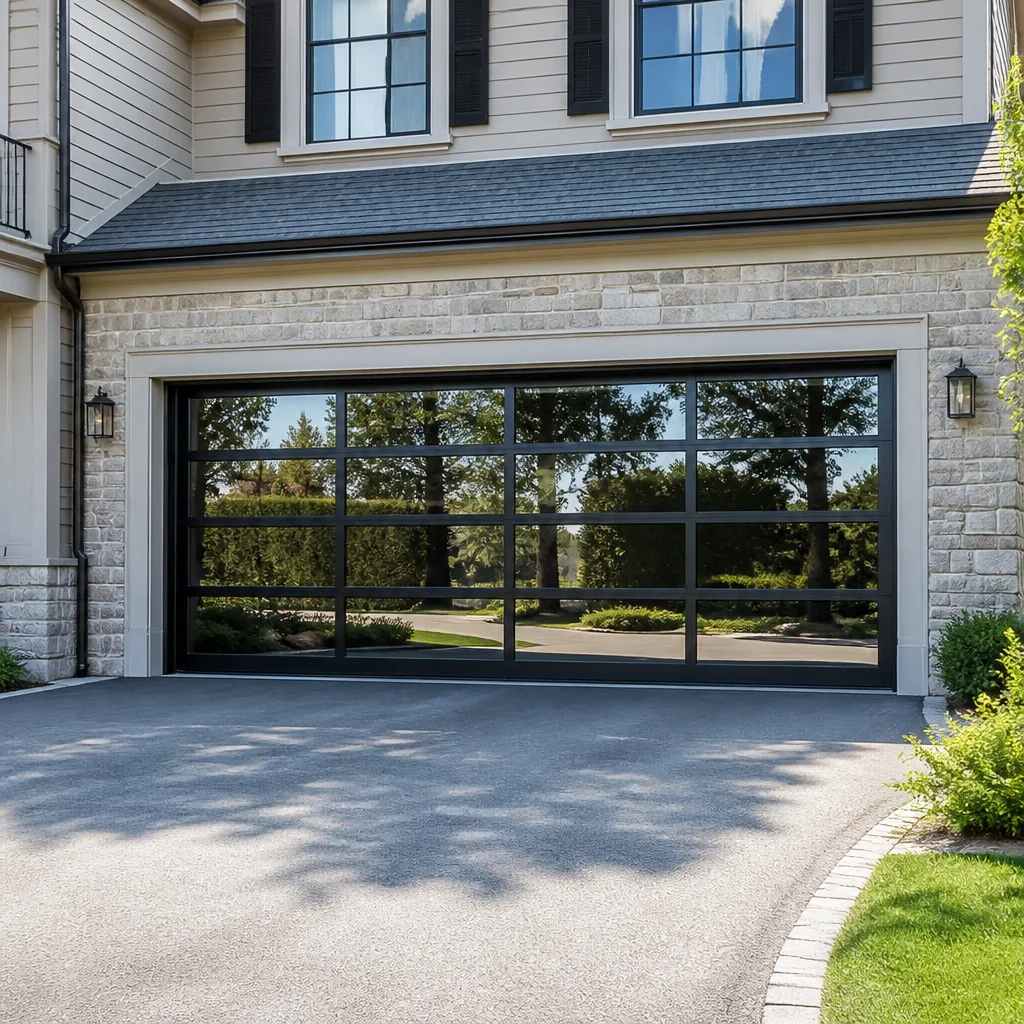 Full-view glass
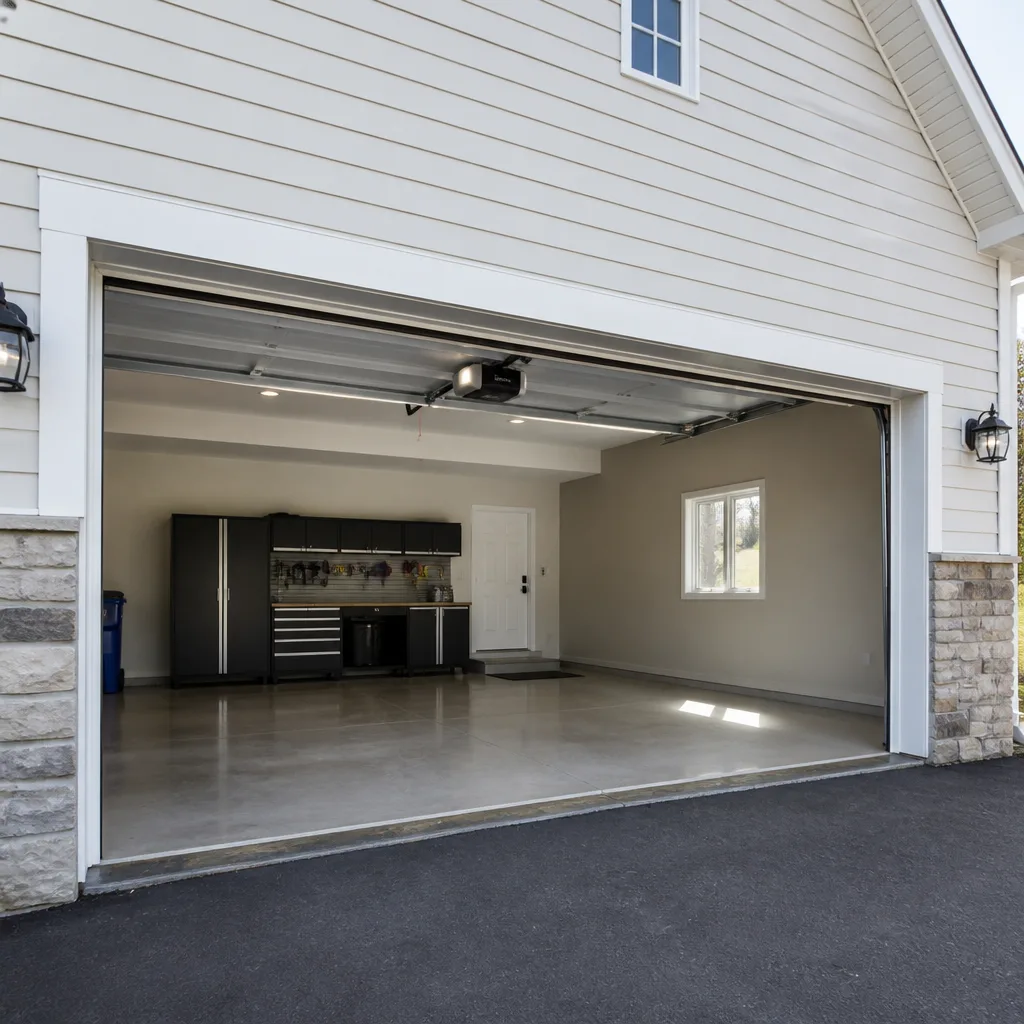 LiftMaster openers
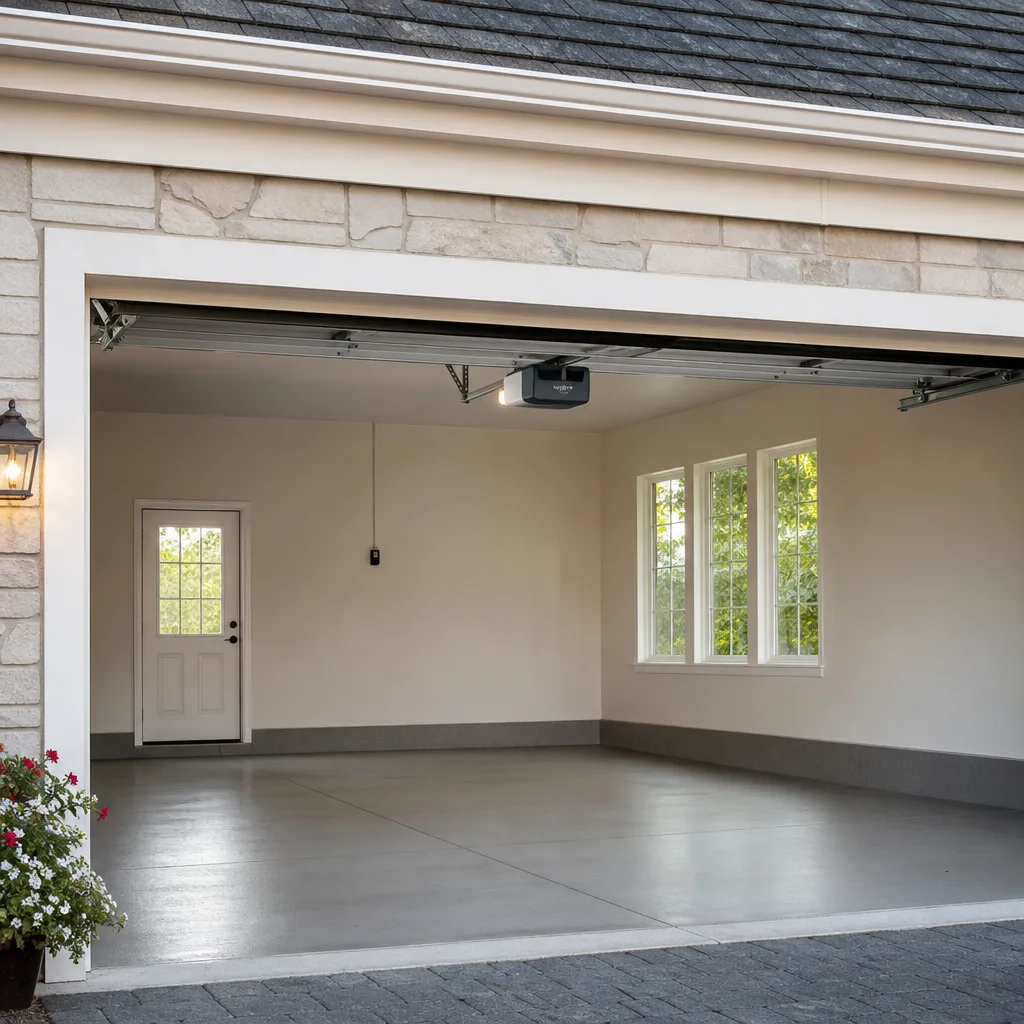 Chamberlain openers
Full 25-point door and opener safety check with every visit - springs, cables, rollers, tracks, and your LiftMaster or Chamberlain opener included
You get a price before we start. It does not change when the truck arrives.
Get your free estimateHow to Hire a Garage Door Contractor in Fort Worth: A Step-by-Step Guide
Three of the most common garage door complaints filed with the Better Business Bureau in Texas aren’t about bad work. They’re about prices that changed between the phone call and the invoice. A homeowner hears $165 on the phone. Two hours later, after the door is disassembled on the driveway, the final number is $480. The work might even be fine. But the homeowner was never given a chance to say yes or no to the real price. This guide walks you through hiring a garage door contractor in Fort Worth the right way: what to ask before anyone schedules a visit, how to verify credentials in minutes, what a legitimate written estimate must include, and how to compare two bids when the line items don’t match. For more context, see our Complete Guide to Garage Door in Fort Worth. By the end, you’ll know exactly what to demand before the first bolt turns.
Styles & brands we work with
Quick Answer
To hire a garage door contractor in Fort Worth, ask five specific questions before scheduling: whether the price will be in writing before work starts, whether the company is insured and licensed in Texas, what warranty is included in writing, which brands the technician is trained on, and who answers the phone after hours. Verify their answers using state databases, not their website. Then require a written estimate that separates parts, labor, and warranty terms before you approve anything.
Table of Contents
- The Five Questions to Ask Before Scheduling a Visit
- How to Verify a Texas Contractor’s Insurance and License in Under Five Minutes
- What a Legitimate Written Estimate Must Include
- Why the Cheapest Bid in Fort Worth Often Costs More Later
- How to Compare Two Written Estimates Side by Side
- What Fort Worth Homeowners Should Know About Climate and Garage Doors
- Common Mistakes to Avoid
- When to Call a Professional
- Frequently Asked Questions
- The Bottom Line
The Five Questions to Ask Before Scheduling a Visit
Most homeowners start the hiring process by asking what something costs. That’s backwards. The right first question is about process, not price. In Fort Worth, where a quick search for “garage door repair” returns dozens of names, the cheapest phone quote usually wins the first call. But a verbal quote is not a price. It’s a marketing number. The five questions below separate the companies that run a disciplined operation from the ones that make it up as they go.
1. Will the price be in writing before any work starts?
This is the single most important question you can ask. A company that hesitates, says “we’ll see when we get there,” or offers only a verbal range is telling you something. They’re telling you the number can move. A legitimate contractor writes the price down, hands it to you, and waits for your approval. If they won’t commit to a written price before work begins, end the call. You haven’t lost anything. You’ve avoided what many Fort Worth homeowners have experienced: a final invoice that looks nothing like the phone quote.
2. Are you insured, and can I verify it through the Texas Department of Licensing and Regulation?
Ask it exactly this way. Every company will say yes to “are you insured?” The follow-up is the test. If they get vague about how you can verify, that’s a signal. We’ll cover the verification process in the next section, but the point here is the question itself. A contractor who welcomes the check has nothing to hide. One who deflects does.
3. What warranty do you provide, and is it in writing?
Listen carefully to the answer. “We stand behind our work” is a sentiment, not a warranty. “Your repair is covered in writing for 365 days, and if it fails in that window, we return at no charge” is a warranty. The difference is specificity. A written guarantee names the duration, what’s covered, and what happens if the fix fails. Anything less is a verbal assurance that evaporates after the truck leaves.
4. Which brands are your technicians trained on?
This question catches a lot of companies off guard. Garage door systems are not one-size-fits-all. A technician trained on LiftMaster openers may not know the specific torque settings for a Genie or the drum configuration on a Wayne Dalton door. If the answer is “all of them” without specifics, ask again. A real answer names brands: LiftMaster, Chamberlain, Genie, Clopay, Amarr, Wayne Dalton, Craftsman, Raynor. If they can’t name the brands they service, they’re applying generic fixes to specific systems. That’s how doors fail again three weeks later.
5. Who answers the phone at 9 p.m. on a Sunday when my door won’t close?
Garage doors fail on their own schedule. A spring snaps on a Saturday morning. A cable frays during a holiday weekend. If the company you’re considering routes calls to voicemail after hours, you’re not hiring a repair service. You’re hiring a callback service. In Fort Worth, where summer heat puts additional stress on torsion springs, doors fail disproportionately between June and September, and a lot of those failures happen outside business hours. Ask the question directly. If the answer involves a voicemail tree or a callback queue, move on. Our Garage Door Repair in Fort Worth service keeps a live person on the phone 24 hours a day, seven days a week, including holidays.
How to Verify a Texas Contractor’s Insurance and License in Under Five Minutes
Every garage door contractor has a website that says “licensed and insured.” Some of them are telling the truth. Some aren’t. The good news is you don’t have to take anyone’s word for it. Texas maintains public databases where you can check a company’s standing in about the time it takes to make a cup of coffee.
Step 1: Check the Texas Department of Licensing and Regulation (TDLR) website.
Garage door installation falls under TDLR jurisdiction in Texas. The agency maintains a searchable database of licensed contractors. Go to the TDLR website, select “License Search,” and enter the company’s name or license number. You’ll see whether the license is active, expired, or inactive. An expired license is a hard no. You should also check whether the company has any enforcement actions on file. TDLR posts disciplinary actions publicly. A company with a history of consumer complaints will show up here.
Step 2: Verify insurance directly with the carrier.
Insurance certificates can be forged, and some companies buy a policy long enough to print the certificate, then let it lapse. The way around this is simple: ask for the insurance carrier’s name and policy number, then call the carrier to confirm the policy is active. A legitimate contractor will provide this without resistance. If a company acts offended by the request, that’s an answer in itself.
Step 3: Check the Better Business Bureau and the Texas Attorney General’s complaint database.
The BBB’s Fort Worth office keeps records of complaints against garage door companies. Look not just at the rating but at the complaint pattern. Are complaints about no-shows? Bait-and-switch pricing? Work that failed? A pattern of the same complaint filed by different customers over months is more informative than a letter grade. The Texas Attorney General also maintains a consumer complaint database where you can search for a company’s name. It takes an extra two minutes and can save you from hiring a company with open complaints about fraudulent billing.
Step 4: Check Fort Worth city records if applicable.
Some garage door projects in Fort Worth, particularly new installations on certain zoned properties, may require a city permit. If the contractor says no permit is needed and you’re unsure, call the City of Fort Worth Development Services Department. They’ll tell you in one phone call whether the work requires a permit, and whether the contractor has pulled permits in the past. A contractor who routinely skips required permits is cutting corners you’ll pay for later when you sell the house.
Here’s what you’re looking for in a company, in our experience: an active TDLR license, verifiable insurance through a real carrier, no pattern of unresolved complaints, and a willingness to put the warranty in writing. For more guides & resources on hiring contractors and maintaining your door, visit our blog. We are an independently owned and operated location within the Garrison Partners network, and we’ve agreed to work to The Garrison Standard: show up in the window, price in writing, do it by the book, leave it clean, stand behind it for a year. That standard is what the verification process above is designed to confirm in any contractor you consider.
What a Legitimate Written Estimate Must Include
A written estimate is not a text message that says “spring replacement $250.” That’s a quote for a part, not a job. A legitimate written estimate separates the work into line items so you can see exactly what you’re paying for and why. If a contractor hands you a single number with no breakdown, ask for the breakdown. If they won’t provide one, that’s a red flag.
Here’s what a proper written estimate should contain:
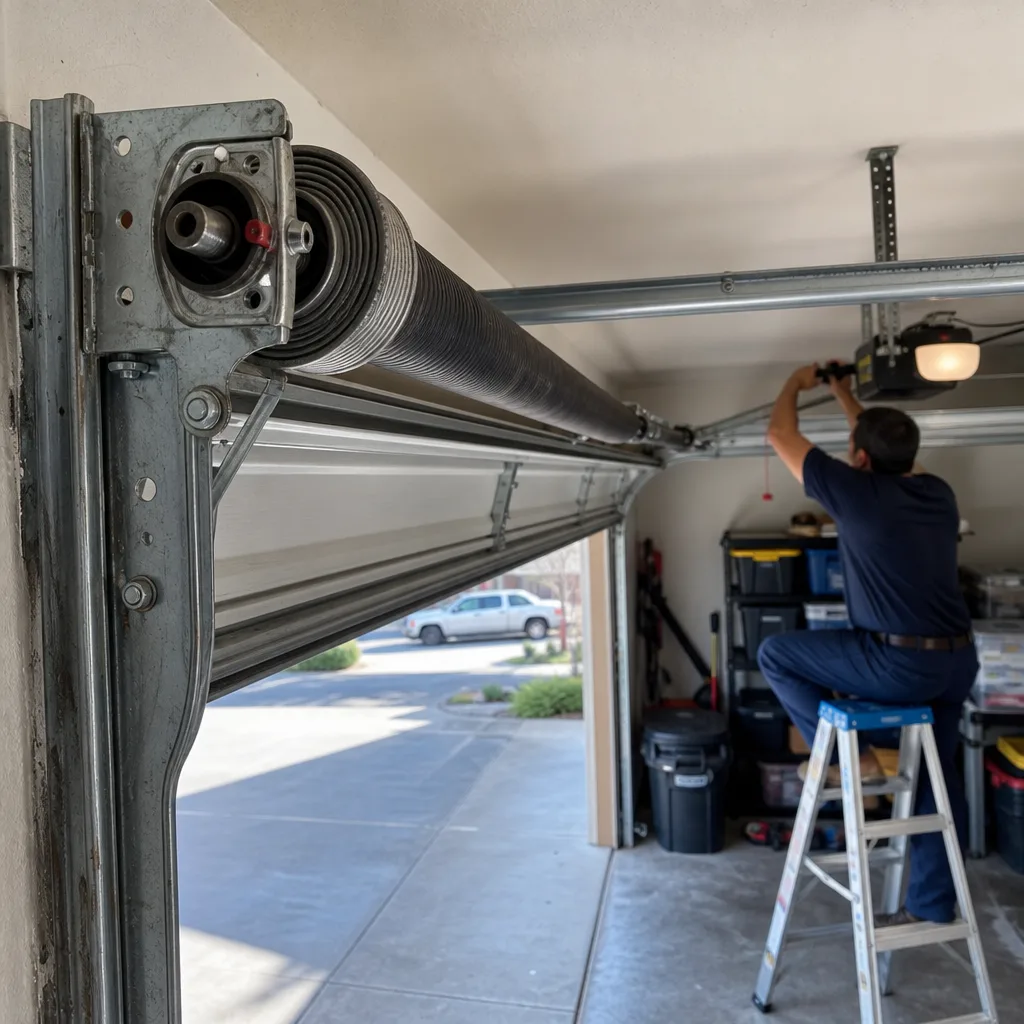
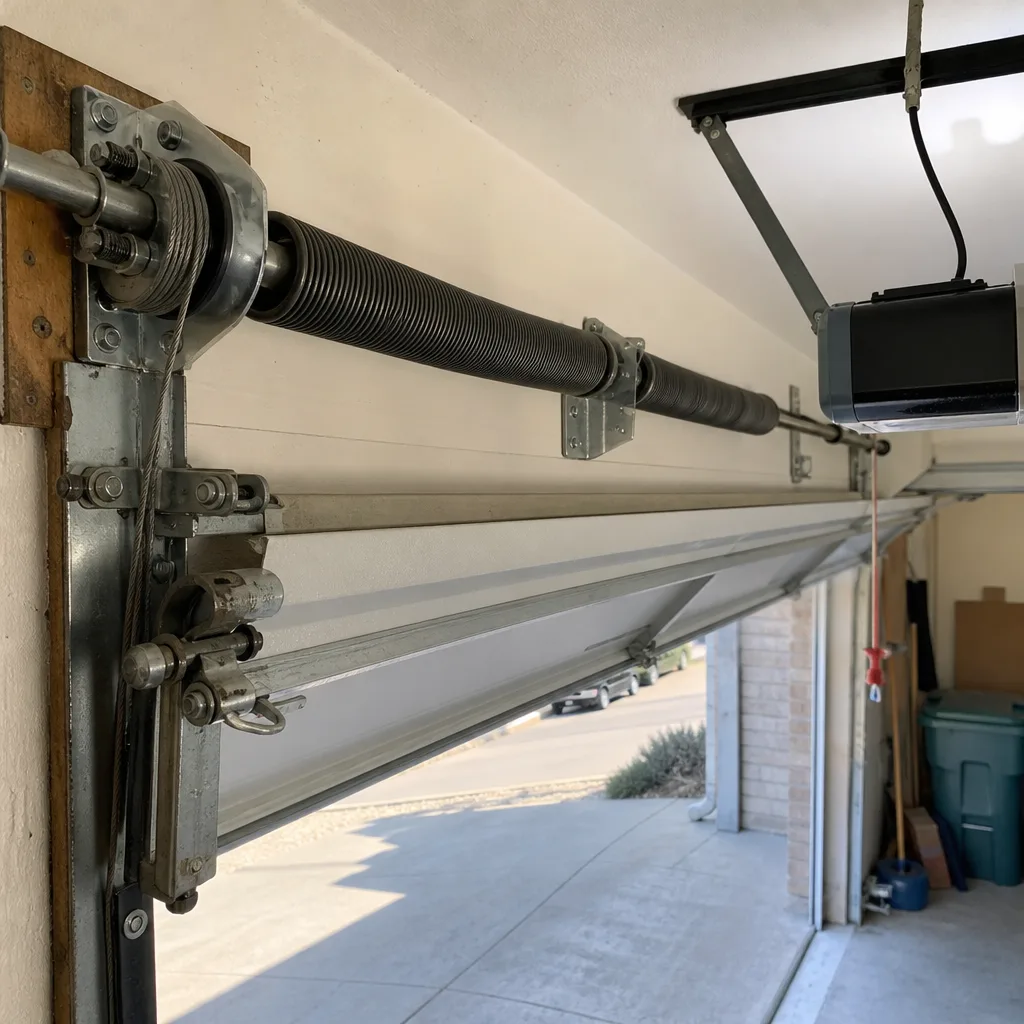
- Parts itemized by name and brand. “Torsion spring, 0.225 wire gauge, 2-inch inner diameter, Clopay-compatible” is an item. “Spring” is not. The estimate should name the specific part, the brand, and the spec. This matters because a 0.225-gauge spring rated for 10,000 cycles costs more than a 0.218-gauge spring rated for 5,000 cycles. If the part isn’t specified, you can’t know whether you’re paying for the durable option or the cheap one. A torsion spring is the thick coiled spring mounted above the door that bears most of the lifting load. Getting this part wrong is both a performance issue and a safety issue.
- Labor separated from parts. You have a right to see what the labor costs versus what the parts cost. This lets you compare bids accurately, which we’ll cover in the comparison section below.
- Warranty terms in writing. Not “warranty included.” The actual terms: how long, what’s covered, what’s excluded, and what the remedy is if the repair fails. The Garrison Code requires a written 365-day guarantee on every repair. If a covered repair fails within that period, a technician returns and corrects it at no additional charge. That’s what a warranty should look like: specific, written, and binding.
- Arrival window. “We’ll be there sometime Tuesday” is not an arrival window. A two-hour window is reasonable. A four-hour window is acceptable if you’re told in advance. “We’ll call when we’re on the way” without a defined window is not a schedule. It’s a hope.
- Total price, clearly stated. The final number should be impossible to miss. It shouldn’t require a calculator or an interpretation. The number on the estimate should match the number on the invoice. Period.
What does a verbal quote legally mean in Texas? Very little. A verbal estimate is not a contract. It’s not binding. If a dispute goes to court or to a BBB arbitration, the verbal quote is your word against theirs. A written estimate is a document. It protects both parties. It’s the difference between a disagreement and a record.
Our Garage Door Cable Repair in Fort Worth service follows the same discipline: written price before any work starts, always included, never optional. If you’re calling around, use that as your benchmark. If a company won’t hand you a written price before the work begins, that’s the answer to the most important question in this guide.
Why the Cheapest Bid in Fort Worth Often Costs More Later
Garage door parts have a price floor. A torsion spring rated for 10,000 cycles costs a certain amount wholesale. A LiftMaster belt-drive opener costs what it costs. When a Fort Worth contractor quotes a price substantially below that floor, one of three things is happening: the parts are gray-market, the parts are lower-spec, or the quote is not the real price. None of those outcomes are good.
Gray-market springs. A gray-market spring is a spring manufactured overseas without US quality control standards, sold through unofficial channels, and installed without manufacturer warranty support. It looks like a spring. It functions like a spring for a while. But its cycle rating is unreliable, which means it fails earlier, and when it fails, you’re paying for another spring plus another service call. In Fort Worth’s climate, where heat cycles accelerate metal fatigue, the difference between a quality spring and a gray-market spring shows up within a year or two. The money you saved on the first repair becomes a down payment on a second repair.
Lower-spec parts passed off as equivalent. A contractor can quote a 0.218-gauge spring and install it while telling you it’s the same as the 0.225-gauge spring your door actually needs. It’s cheaper. It’s also rated for half the cycles. Or they install an opener without battery backup when the quote implied one. The door works on day one. It fails on day 400. The contractor is no longer answering your calls.
The quote was never the real price. This is the most common version in Fort Worth. The phone quote is deliberately low to win the job. The technician arrives, disassembles the door, and “discovers” that the cables also need replacement, the drums are worn, and the opener’s logic board is failing. Each discovery adds to the invoice. By the time the door is back together, the $165 phone quote is a $520 invoice, and you’re staring at a disassembled door with no leverage to say no.
This is where the written-price-first policy matters. If the price is in writing before any work starts, the technician has no mechanism to inflate it. If “additional work” is discovered, it’s quoted separately, in writing, and you approve or decline before it’s done. The Garrison Standard runs on this principle: the written price is handed over before any work starts, so the number on the invoice matches the number you approved, every time. When you’re comparing bids in Fort Worth, treat any quote more than 15 to 20 percent below the others as a red flag, not a bargain.
How to Compare Two Written Estimates Side by Side
Here’s a skill most homeowners never develop: comparing two estimates when the line items don’t match. It’s genuinely difficult, which is why contractors can get away with quoting different scopes of work at different prices. But there’s a simple method.
Step 1: Normalize the parts list.
Go through both estimates and write down each part. Estimate A says “torsion spring, 0.225 gauge, Clopay-compatible.” Estimate B says “spring, replacement.” You don’t have two estimates for the same job. You have one estimate for a specific part and one for an unspecified part. You can’t compare them until both are specific. Call the company with the vague estimate and ask for the spec. If they won’t provide it, you’ve learned something.
Step 2: Check what’s included in labor.
Does the labor line include balancing the door after the spring is installed? Adjusting the tracks? Lubricating the hinges and rollers? Or is labor just “install spring”? A lower labor cost may mean the technician does less. Ask each company to list exactly what their labor covers.
Step 3: Align the warranty terms.
This is where a lot of comparison shopping collapses. Estimate A is $260 with a 365-day written warranty. Estimate B is $210 with “30-day parts warranty.” The second one is not cheaper. It’s more expensive on a per-day-of-protection basis, and it signals the contractor doesn’t expect the repair to last. A 365-day written warranty is not a luxury feature. It’s the minimum standard for a repair that should outlast the warranty period by years. Our 365-Day Done Right Promise is simple: if the repair fails within a full year, we come back and make it right at no charge, confirmed in writing.
Step 4: Compare the arrival commitments.
One estimate says “same day, two-hour window.” The other says “sometime next week.” There’s a reason for that difference. The company with the tighter window has dispatch capacity and a real technician schedule. The other is booking work they can’t service promptly. In July, when Fort Worth temperatures top 100 degrees and a broken spring means a car trapped in a hot garage, that difference matters.
Step 5: Look at the total, but only after Steps 1-4.
Once the parts are specified, the labor is itemized, the warranties are aligned, and the arrival commitments are clear, then look at the total. That’s the only way the total means anything. If one estimate is lower because it’s vague on parts, has no written warranty, and won’t commit to an arrival window, the lower price is not a better deal. It’s a smaller number attached to a worse outcome.
For opener work, we also maintain a Garage Door Opener Repair in Fort Worth resource that breaks down common issues by brand. The same comparison method applies: specified parts, itemized labor, aligned warranties, committed arrival window, then total.
What Fort Worth Homeowners Should Know About Climate and Garage Doors
Fort Worth’s climate does specific things to garage door systems. Understanding these patterns-covered in depth in our Seasonal Garage Door Care for Fort Worth: Year-Round Homeowner’s Guide-helps you ask better questions when you’re hiring.
Heat and torsion springs. Garage torsion springs are rated in cycles. Heat accelerates metal fatigue, which shortens the effective cycle count. A spring rated for 10,000 cycles in a mild climate may not reach that number in Fort Worth, where garage interiors regularly exceed 110 degrees in summer. This means spring failures cluster in the hottest months. We regularly replace Fort Worth springs in July and August that failed at 60 to 70 percent of their rated cycles. The takeaway: when you hire a contractor, ask about the cycle rating of the spring they’re quoting, not just the price. A 10,000-cycle spring costs more than a 5,000-cycle spring and lasts roughly twice as long.
Rain, humidity, and hardware. Fort Worth’s spring storm season brings heavy rain and high humidity. Garage door rollers, hinges, and cables take the brunt of that moisture. Surface rust on hardware accelerates wear. Cables, in particular, develop frayed strands after repeated wet-dry cycles. A cable that looks acceptable from a distance may be two or three broken strands away from snapping. If you’re hiring for any repair, ask the technician to inspect the cables and rollers as part of the visit. A contractor who includes this in their standard service call is doing what a thorough inspection should do. A contractor who only looks at the specific failed part is leaving future failures unexamined.
Foundation movement. North Texas clay soil expands and contracts with moisture. Houses shift. When a house shifts, the garage door frame shifts with it, which means the tracks can go out of alignment. This is especially common in older Fort Worth neighborhoods where the original garage slab has settled over decades. If your door is binding, sticking, or making grinding noises, the problem may not be the door at all. It may be the tracks or the frame. A competent Fort Worth contractor diagnoses the root cause rather than just lubricating the symptoms.
Common Mistakes to Avoid
- Accepting a verbal quote as a price. A verbal quote is a conversation. A written estimate is a document. If you don’t have it in writing, you don’t have a price.
- Skipping the TDLR license check. It takes three minutes on the TDLR website. Skipping it means taking the contractor’s word for something that’s verifiable in a search bar. Fort Worth has legitimate, licensed companies and it has unlicensed operators working out of personal trucks. The database tells you which is which.
- Hiring a contractor who won’t name the parts brand. A repair that doesn’t specify the brand is a repair with no accountability. If the parts aren’t named, the warranty on those parts doesn’t exist.
- Choosing the lowest bid without comparing line items. The lowest bid often reflects gray-market springs, lower-spec parts, or a quote that will move. Comparison requires normalization, not just picking the smallest number.
- Ignoring the warranty difference between a 30-day and a 365-day guarantee. A 30-day parts warranty means the contractor expects the repair to last roughly 30 days. A 365-day written guarantee means the contractor expects it to last years and is willing to bet on that.
- Not asking who answers the phone after hours. Garage doors fail after hours more often than not. If your contractor’s phone goes to voicemail at 6 p.m., you’re hiring a business-hours service for a 24-hour problem.
- Signing off on work before the written estimate is in hand. Once the door is disassembled, your leverage is gone. The written estimate must precede any work. No exceptions.
When to Call a Professional
Some garage door issues are genuinely dangerous to handle yourself. Torsion springs are under extreme tension. A broken spring can release that tension violently, and the tools required to safely wind and unwind a spring are not common household items. Cables are similar. A frayed cable can snap under load. Garage door openers involve electrical work near moving parts. If you’re dealing with a snapped spring, a frayed or broken cable, a door that’s come off its tracks, or an opener that’s sparking or smoking, do not attempt the repair. Shut the door if you can do so safely, unplug the opener if that’s safe, and call a trained technician. The hazards are real, and the cost of a professional repair is small compared to the cost of an injury. Brock Garage Doors Fort Worth offers free estimates in Fort Worth. Call (682) 730-8314, and a real person will answer, day or night.
Frequently Asked Questions
Spring replacement in Fort Worth typically runs $180 to $340, depending on the spring’s cycle rating, wire gauge, and your door’s size. A standard 10,000-cycle spring costs more than a lower-cycle alternative. The final price should be in writing before any work starts. Call (682) 730-8314 for a free estimate on your specific door.
Yes, in most cases. A live person answers calls 24 hours a day, seven days a week, including holidays, and our technicians carry the parts needed for common repairs like spring replacement and cable fixes on the truck. Same-day service is available for repair work in Fort Worth. Call (682) 730-8314 and we’ll give you an arrival window on the phone.
No. The price is quoted in writing before any work begins, and the number on the invoice matches the number you approved. If additional work is discovered during the repair, it’s quoted separately in writing, and you approve or decline it before it’s done.
Yes. Our technicians stock torsion springs, extension springs, cables, rollers, hinges, and common opener components for LiftMaster, Chamberlain, Genie, and other major brands. Most repairs are completed on the first visit. Call (682) 730-8314 for details on your specific repair.
We service LiftMaster, Chamberlain, Genie, Clopay, Amarr, Wayne Dalton, Craftsman, and Raynor systems. A technician trained on your specific brand applies the right fix to your system, not a generic workaround. Call (682) 730-8314 and tell us what you have; we’ll confirm we can service it.
Every repair is covered in writing for 365 days. If the repair fails within that window, we return at no additional charge. It’s not a verbal assurance; it’s a written guarantee, every time. Call (682) 730-8314 for a free estimate with the warranty terms spelled out.
The Bottom Line
Hiring a garage door contractor in Fort Worth is not about finding the cheapest name on a search results page. It’s about asking the right questions before anyone schedules a visit, verifying credentials through state databases instead of trusting website claims, and requiring a written estimate that separates parts from labor and names the warranty terms in writing. The difference between a good hire and a bad one is not marketing. It’s process. A company that writes the price before the work, stands behind the repair for a full year, and answers the phone when your door fails at 10 p.m. is a company worth hiring. Everything else is a gamble. Call (682) 730-8314 for a free estimate, and we’ll show you what the process looks like from the first phone call.
Written by Wade Mercer, Owner at Brock Garage Doors Fort Worth, serving Fort Worth since 2001.
See the difference
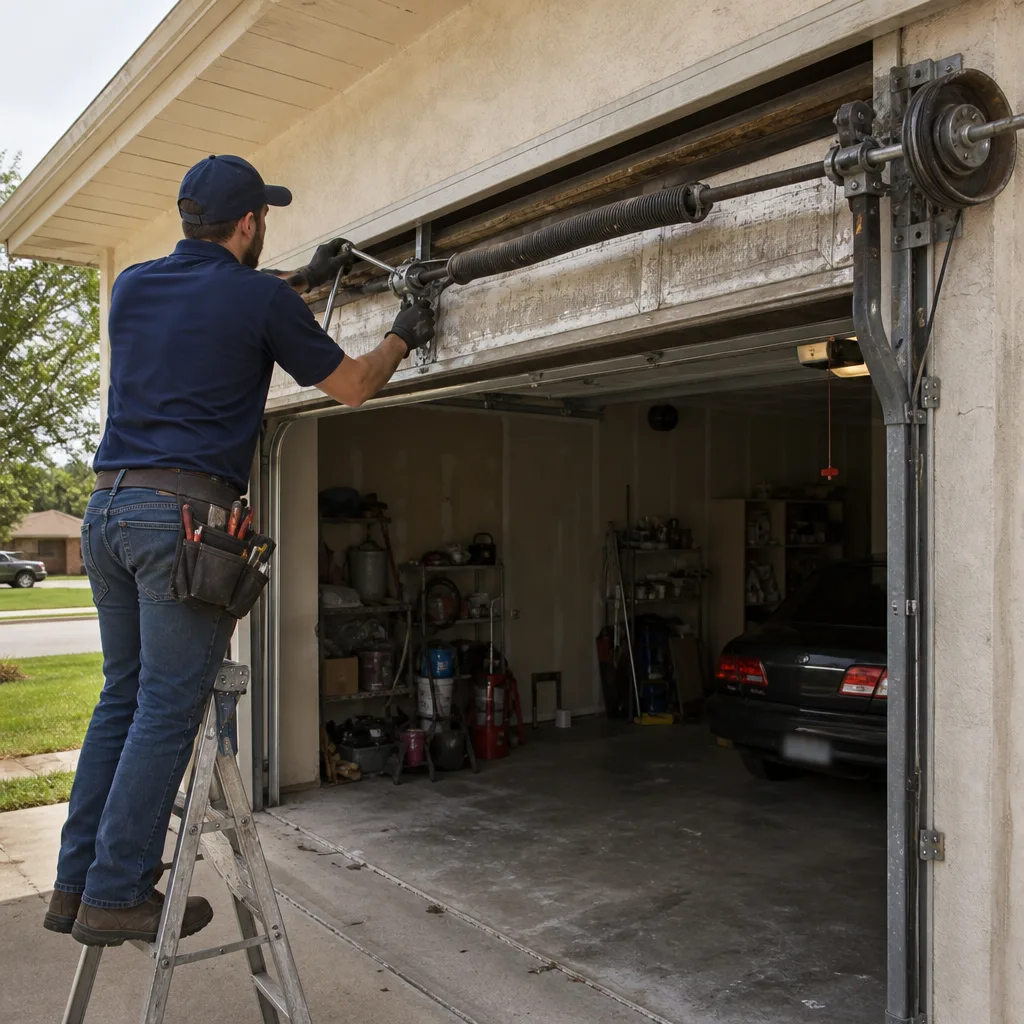 Before
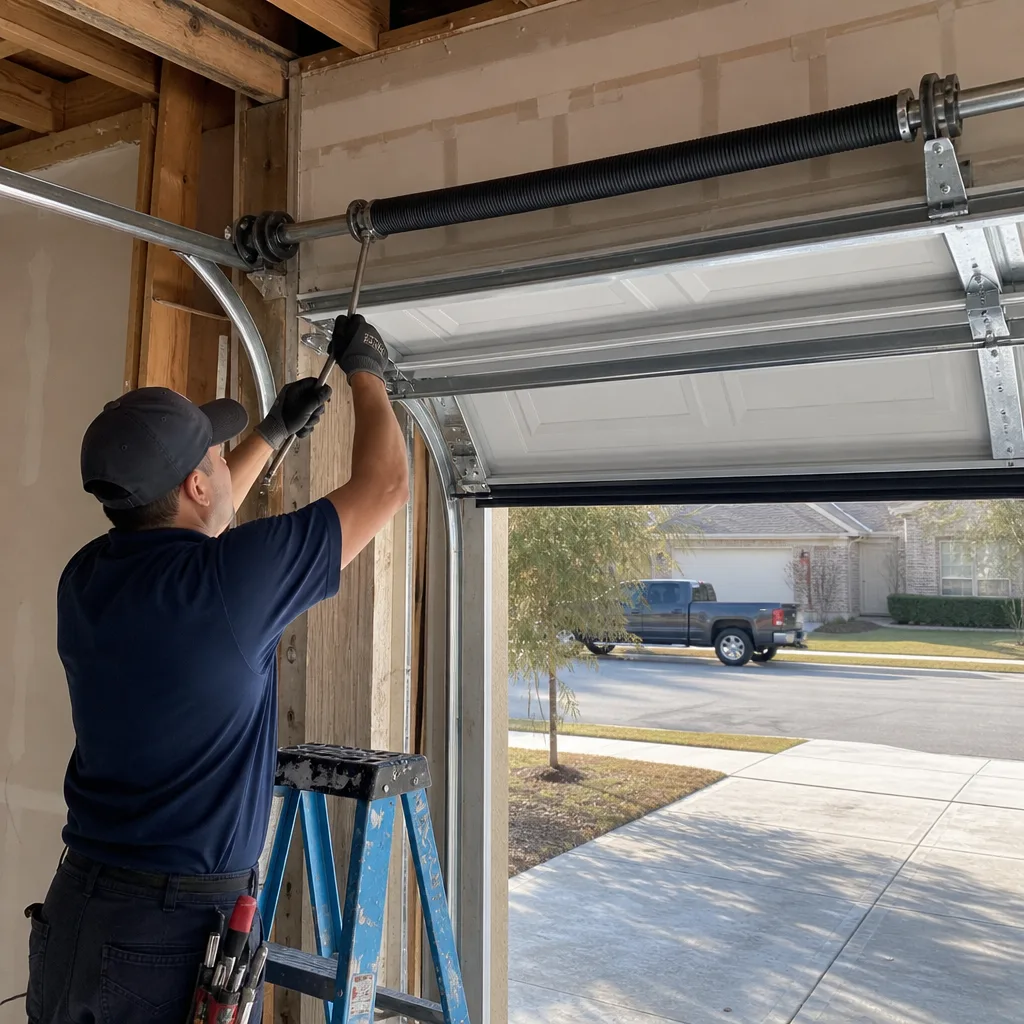 After
After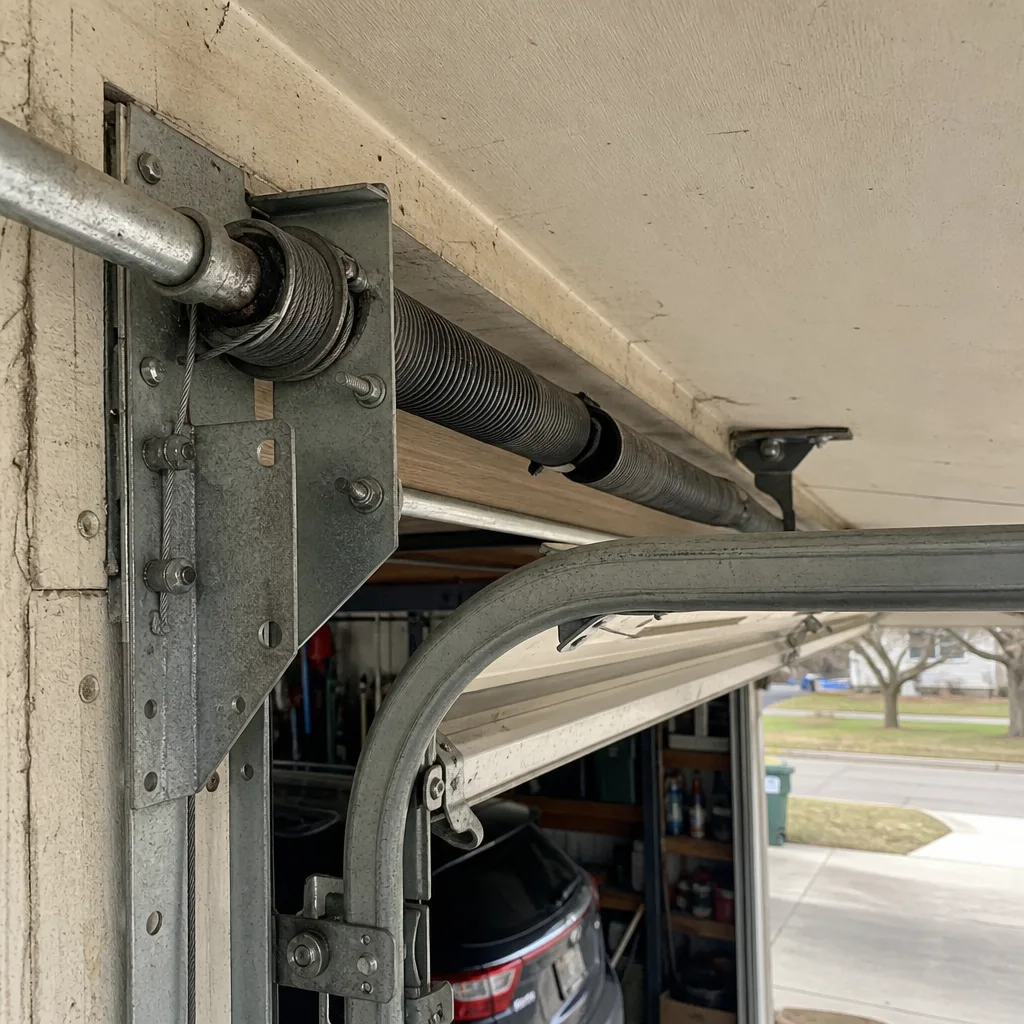 Before
 After
After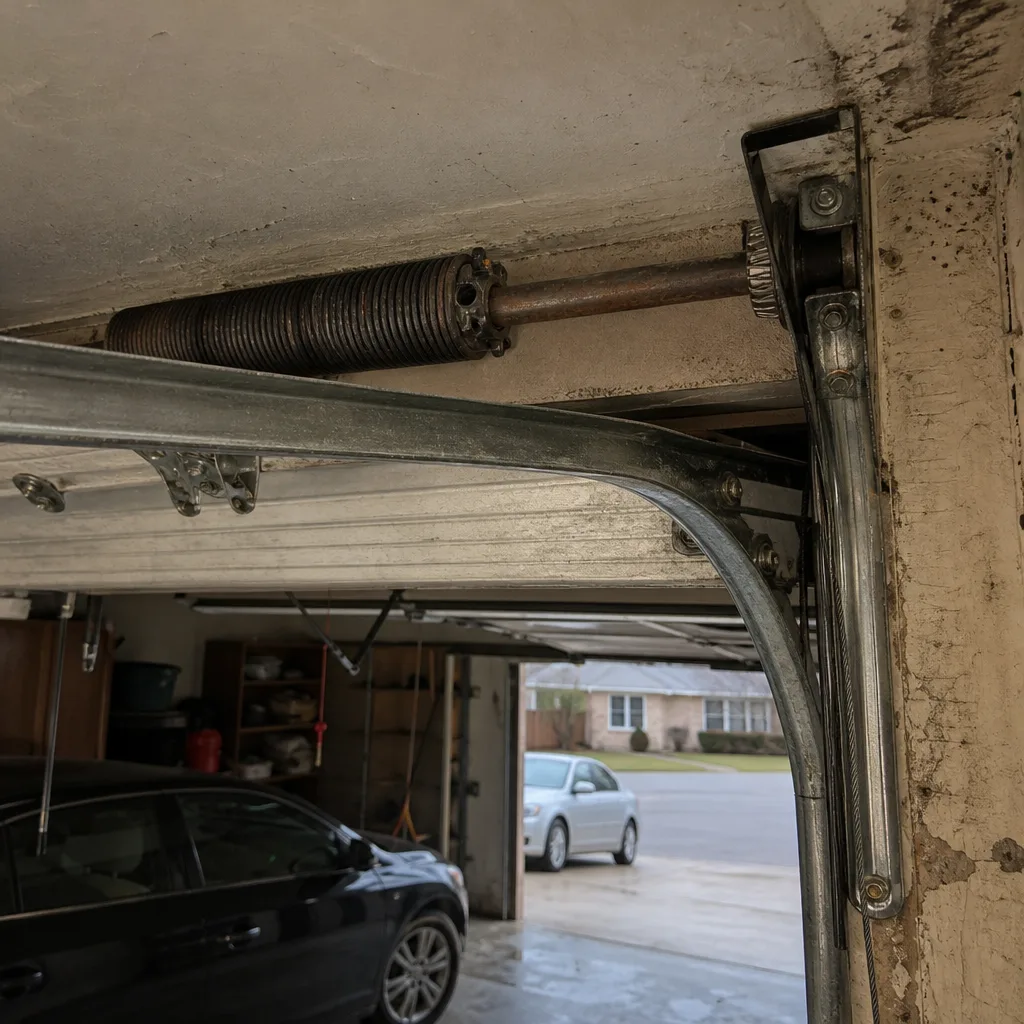 Before
 After
After