
Last updated October 16, 2026
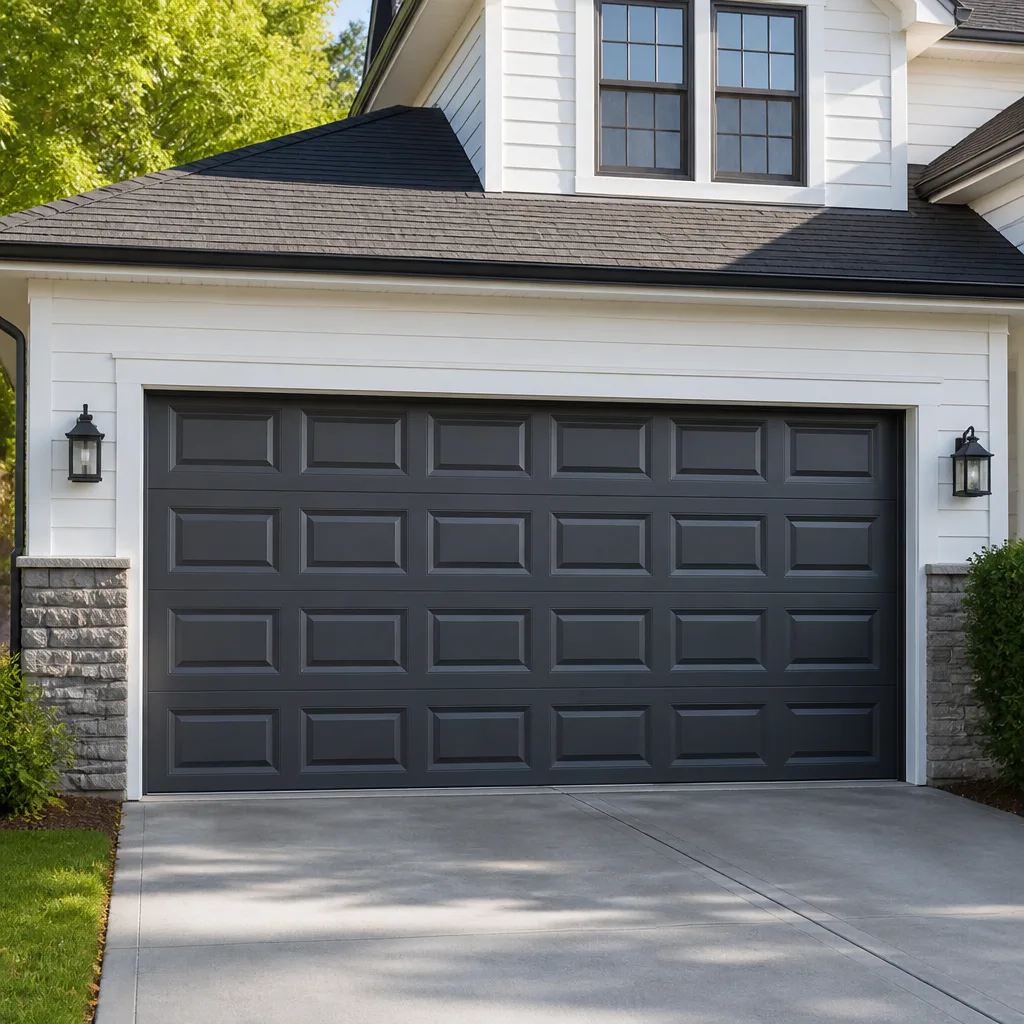 Raised-panel steel
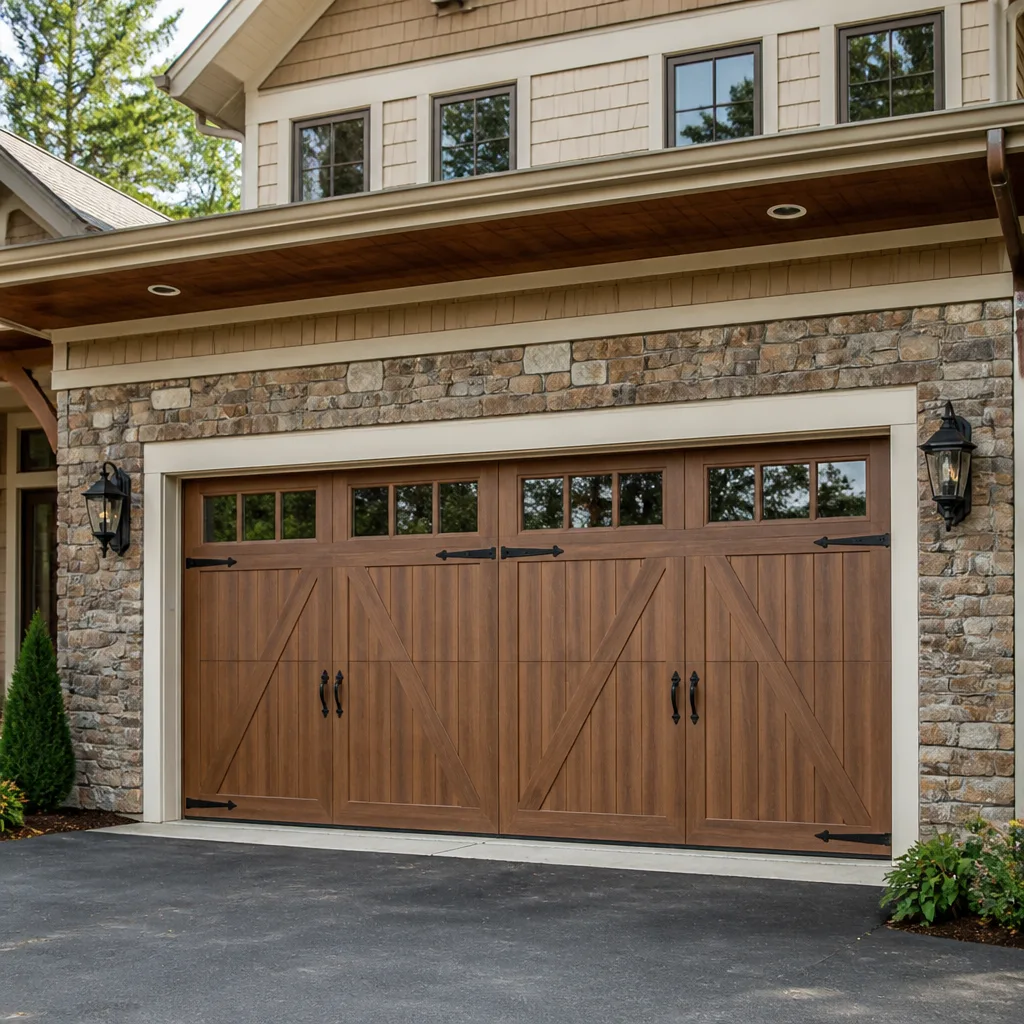 Carriage house
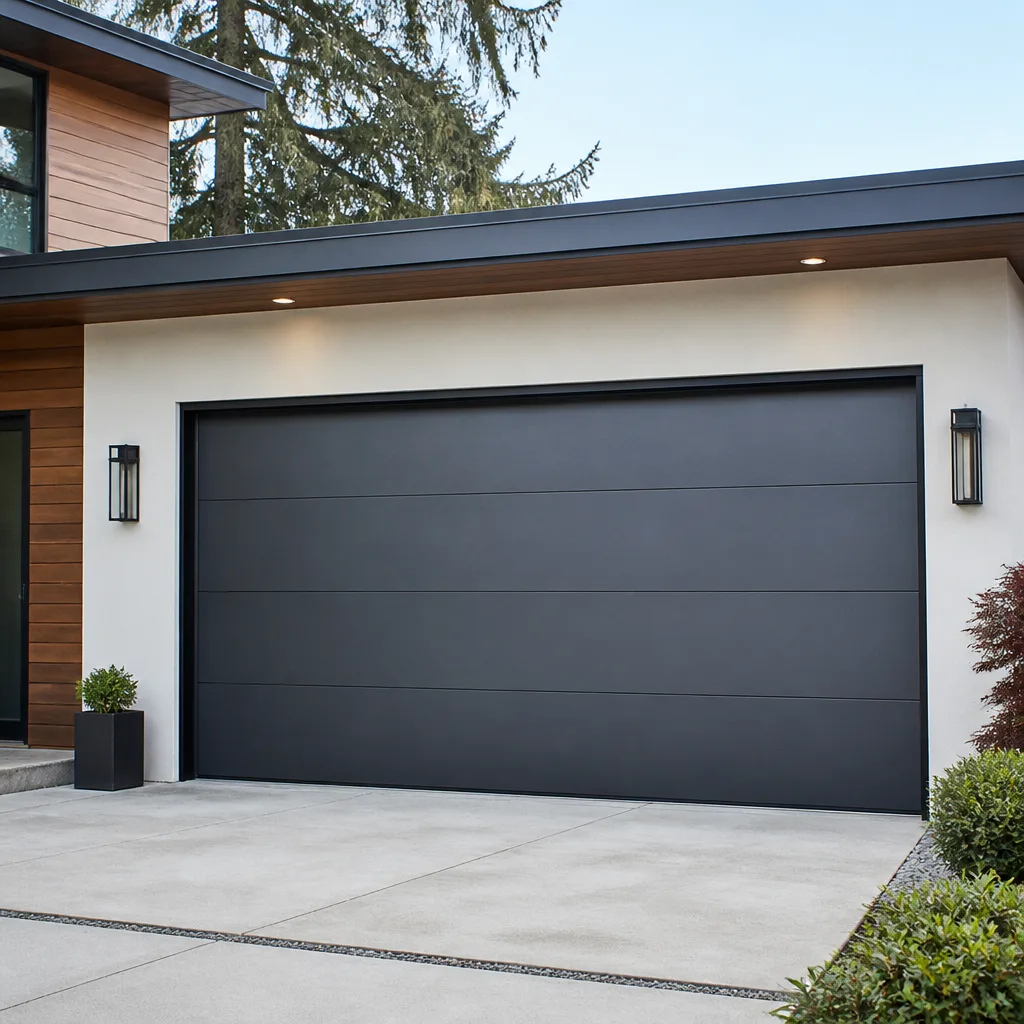 Modern flush
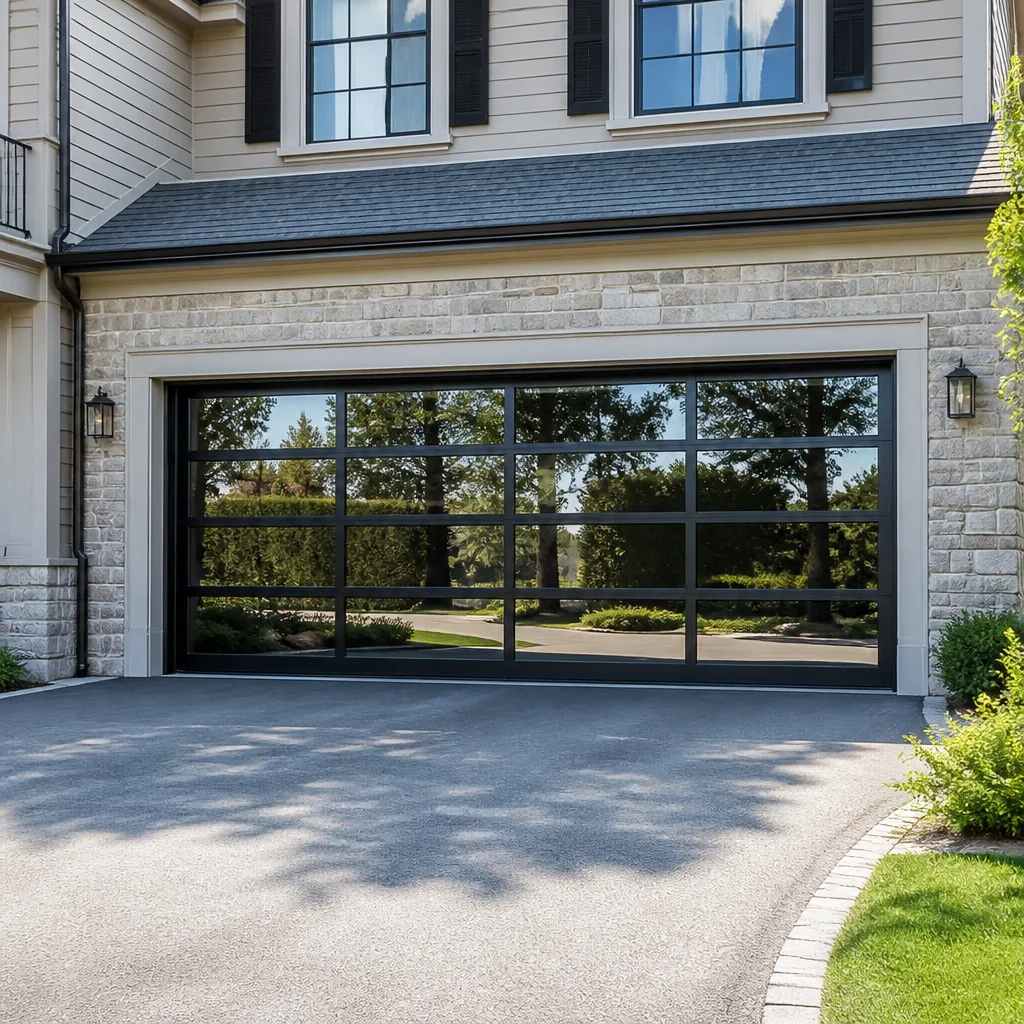 Full-view glass
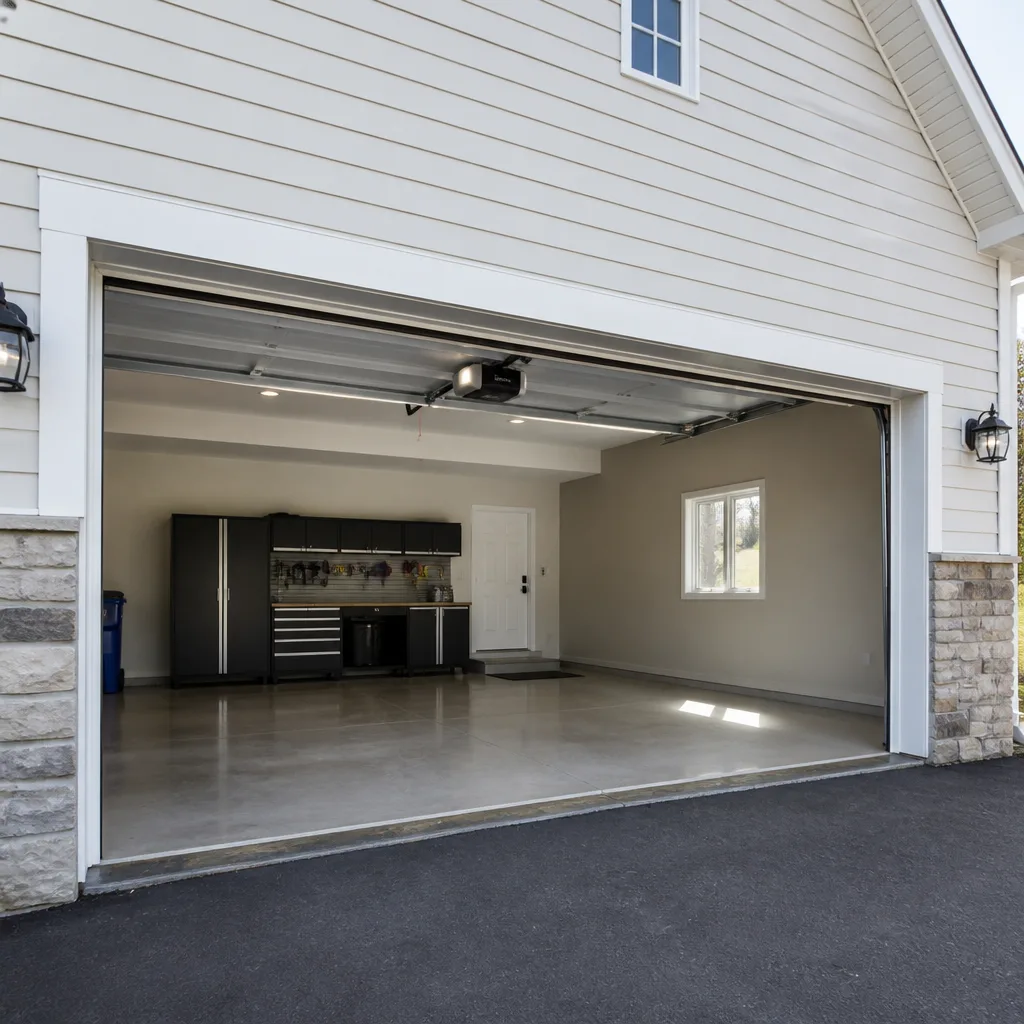 LiftMaster openers
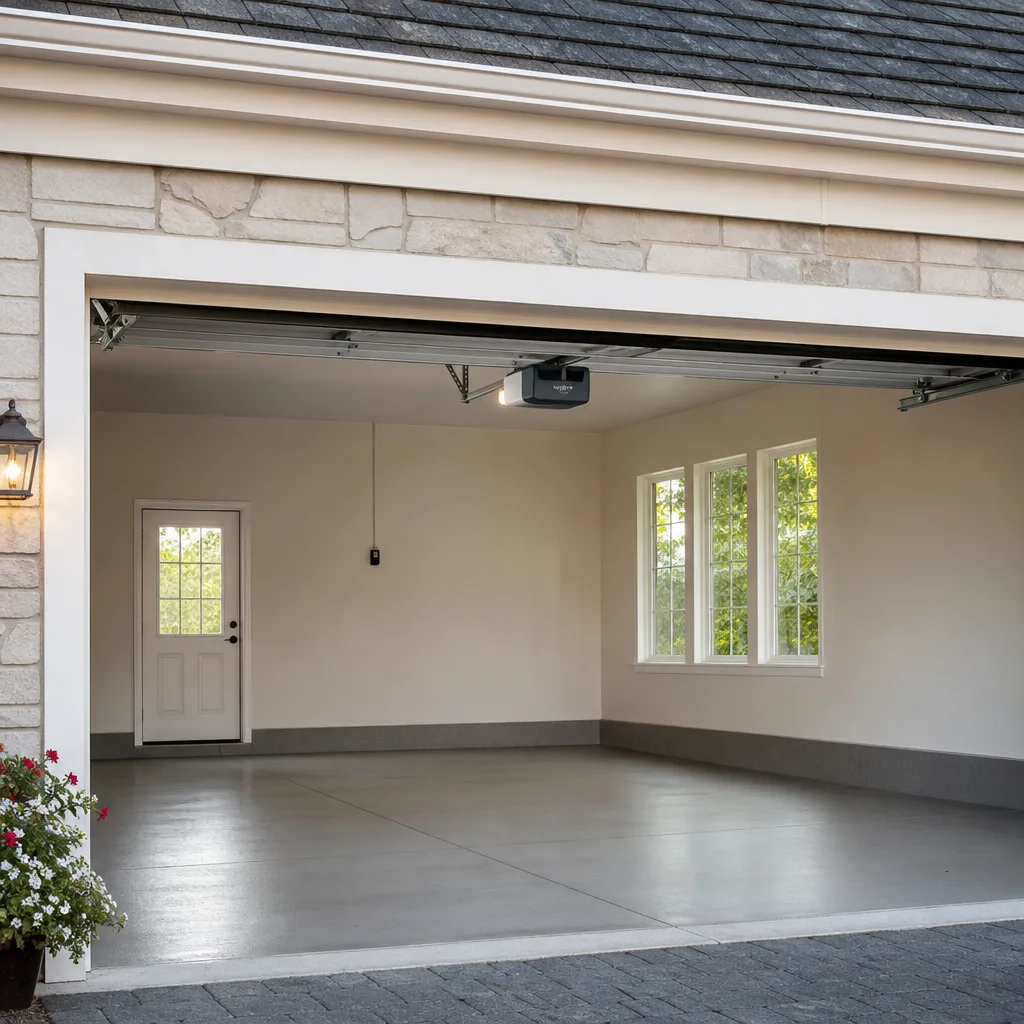 Chamberlain openers
Full 25-point door and opener safety check with every visit - springs, cables, rollers, tracks, and your LiftMaster or Chamberlain opener included
You get a price before we start. It does not change when the truck arrives.
Get your free estimateGarage Door Permits, Codes & Inspections in TX: What You Need to Know
About 7,000 garage door injuries send Americans to emergency rooms every year, and a meaningful share of those doors were installed without ever passing a code inspection. In Fort Worth, the permitting line for garage door work is sharper than most contractors will tell you: a simple spring swap usually needs no permit, but a full door replacement often does, especially when the opening is being enlarged or the header is touched. This guide lays out exactly what Texas and Tarrant County require, what inspectors actually check, and how to avoid the paperwork trap that can cost you a sale or an insurance claim later; for more, see our Garage Door Warning Signs: A Fort Worth Homeowner’s Reference Guide.
Styles & brands we work with
Quick Answer
Garage door permits in Texas are governed by local amendments to the 2021 International Residential Code, and in Fort Worth a permit is required when the door opening is modified, the header is altered, or the replacement door changes the structural load on the wall. Routine repairs like spring replacement, opener replacement, cable replacement, and panel swaps on an unmodified opening typically require no permit. A code-compliant garage door installation means the door, springs, opener safety reverse system, and header clearances all meet IRC sections R309, R311, and R612, and are verified by a city inspector who issues a final approval on record.
Table of Contents
- When a Garage Door Permit Is Required in Fort Worth – and When It Isn’t
- The Texas and IRC Code Sections That Govern Garage Door Work
- What ‘Code-Compliant Installation’ Means on a Written Estimate
- The Inspection Process, Step by Step
- How Unpermitted Garage Door Work Affects Insurance Claims and Title Transfer
- Fort Worth Climate Factors That Affect Garage Door Code Compliance
- Common Mistakes to Avoid
- When to Call a Professional
- Frequently Asked Questions
- The Bottom Line
When a Garage Door Permit Is Required in Fort Worth – and When It Isn’t
The Fort Worth Development Services Department requires a building permit for garage door work only when the work changes the rough opening, modifies the structural header above the door, or installs a door in a newly constructed opening. Replacing a garage door in the exact same opening, with the same header and the same structural supports, is classified as a repair and typically does not require a permit. That said, Tarrant County has its own permits for unincorporated areas, and some HOAs impose additional documentation rules that the city does not. If you live in a neighborhood with an active HOA, check your covenants before you schedule the work. We see this trip up homeowners in places like Wedgwood, Ridglea Hills, and Arlington Heights more often than you’d expect.
Here is the practical breakdown we give callers in Fort Worth:
- No permit needed: spring replacement, cable replacement, opener replacement, sensor replacement, panel replacement, track realignment, and weather seal replacement on an unmodified opening.
- Permit needed: widening the rough opening, raising the header to accommodate a taller door, converting a single door to a double door, installing a door where none existed, or any work that requires cutting into load-bearing wall framing.
- Gray zone – call to confirm: full door replacements where the existing header is old, cracked, or undersized for the new door’s weight. In that case the city may treat the job as structural, not cosmetic.
When in doubt, call 311 in Fort Worth and ask for the Development Services permit counter. The staff there will tell you over the phone whether your specific project needs a permit, and the call takes about five minutes. This is the same verification step any reputable garage door repair company in Fort Worth should perform before scheduling your job.
The Texas and IRC Code Sections That Govern Garage Door Work
Texas has adopted the 2021 International Residential Code as the baseline for one- and two-family homes, with local amendments. Three IRC sections matter most for garage door work, and a fourth applies when the garage is attached to the house. Understanding these sections helps you evaluate whether a contractor actually knows the standard or is guessing.
IRC R309: Garage Separation and Door Requirements
R309 governs the separation between a garage and the living space. Key requirements include a minimum 20-minute fire-rated door or a solid wood door at least 1-3/8 inches thick between the house and garage, and a self-closing hinge device. For the vehicle door itself, R309 requires that the door be listed and labeled for its intended use, with a minimum wind-load rating where the local wind design speed exceeds 115 mph. Fort Worth sits in a wind zone that regularly triggers this requirement. An unlabeled door that no one can document as wind-rated is the single most common reason a garage door fails a Fort Worth inspection.
IRC R311: Egress and Opening Clearances
R311 covers the clear opening dimensions and landing requirements. For garage door openings, the critical number is the side clearance for the track and the headroom clearance above the door. The 2021 IRC requires a minimum headroom clearance of 12 inches for standard lift tracks, but low-headroom kits can reduce that with the proper components. When an inspector checks a garage door in Fort Worth, they measure the header-to-ceiling distance and will fail the job if the track type doesn’t match the available headroom.
IRC R612: External Doors and Opener Safety
R612 applies to all exterior doors including garage doors, and it incorporates the UL 325 standard for automatic reversing systems. The door must reverse when it contacts a 1-1/4 inch thick object placed on the floor, and the electric eye must be installed no more than 6 inches above the floor. This sensor rule is non-negotiable, and it trips up homeowners who install their own garage door opener in Fort Worth and place the sensors higher for convenience. An inspector will fail that immediately.
The Torsion Spring Factor
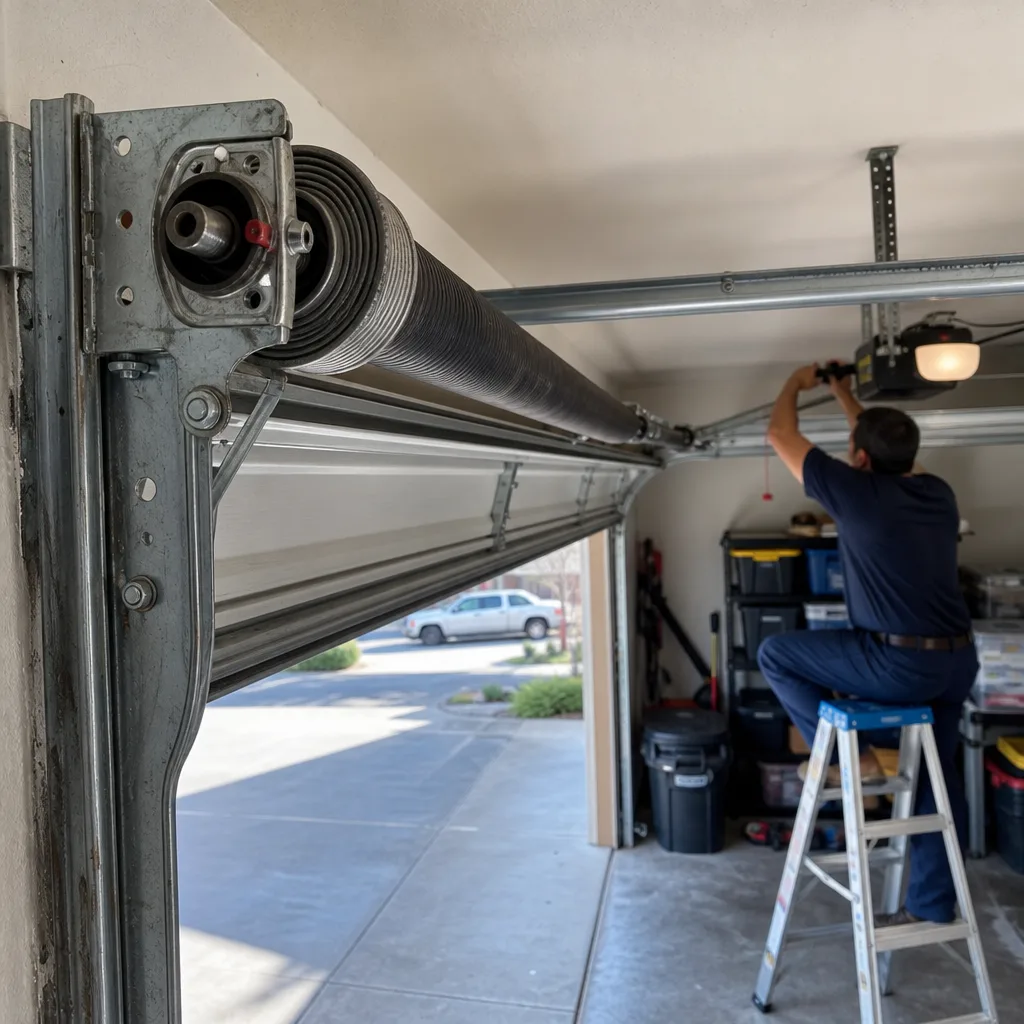
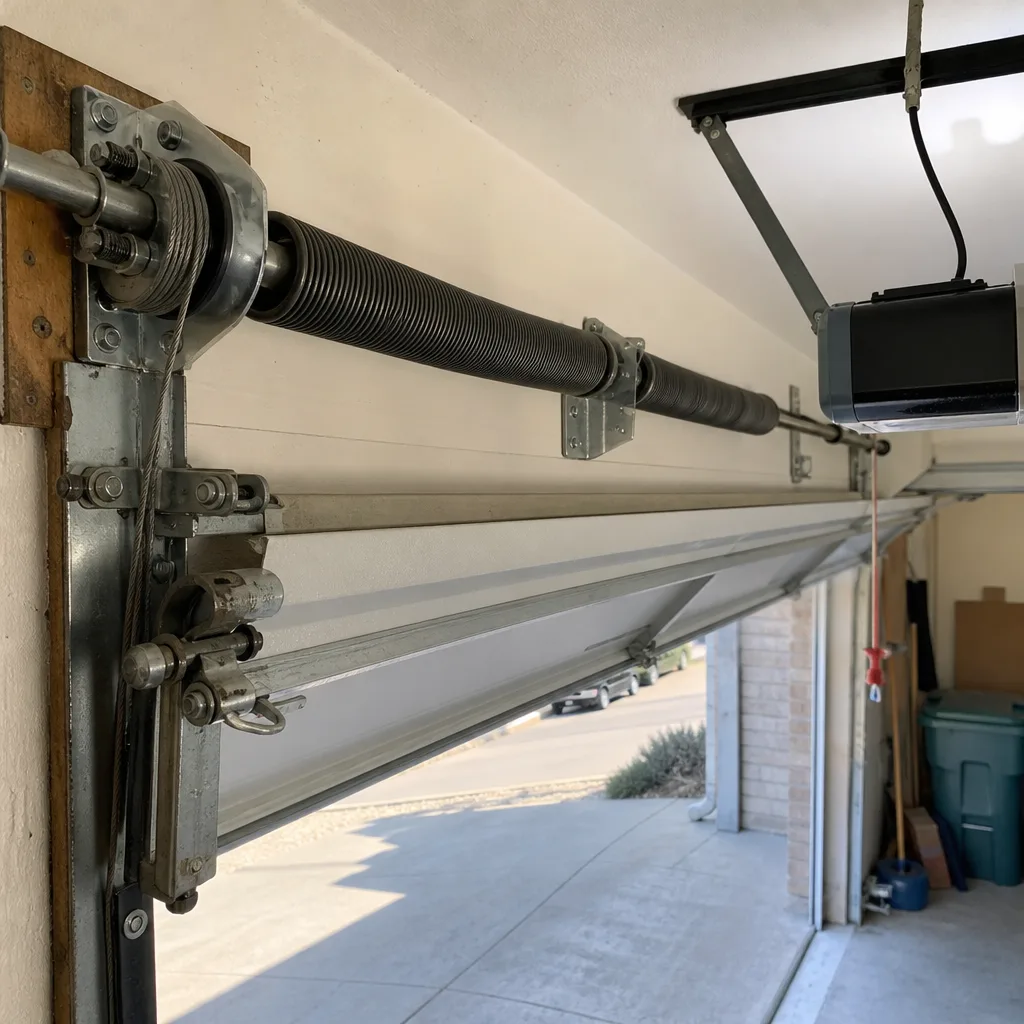
While springs themselves are not named in the IRC by section, the spring tension directly affects whether a door meets the balanced-load requirements that inspectors verify. A torsion spring – the thick coiled spring mounted above the door that bears most of the lifting load – must be sized to the door’s exact weight and drum configuration. Mismatched springs cause the door to drop or snap shut, which is both a code violation and a genuine hazard. This is why we never quote a spring replacement in Fort Worth without first weighing the door on site.
What ‘Code-Compliant Installation’ Means on a Written Estimate
The phrase “code-compliant installation” appears on thousands of garage door estimates in Texas, and in the worst cases it means nothing at all. A contractor who attaches those words to a verbal quote has given you no enforceable promise. But written into an estimate with specific language, the phrase becomes a contract term you can hold them to. Here is what to look for – and what we put in writing on every job that comes from Brock Garage Doors Fort Worth home service area.
A genuine code-compliance clause on a written estimate should specify:
- The code edition being followed: “2021 IRC as adopted by the City of Fort Worth, with Tarrant County amendments.” If no edition is named, the phrase is decorative.
- The wind-load rating of the door: for Fort Worth, the door should carry a label showing the design pressure rating, typically expressed as PSF, that meets or exceeds the local wind speed design value.
- The UL 325 opener compliance statement: the opener and its safety reverse system must be tested after installation, with the reversal force logged.
- The spring cycle rating: torsion springs should be rated at a minimum of 10,000 cycles for residential use, and the estimate should state the rating. A spring rated for 5,000 cycles is technically legal but will fail years earlier.
- The permit and inspection responsibility: who pulls the permit, who pays the fee, and who schedules the inspection. If the estimate is silent on this, ask.
We also include the 365-day guarantee in writing on every job. If the repair fails within that window, we return and correct it at no additional charge. The guarantee and the code-compliance language sit on the same page, so the homeowner knows both are conditions of the job, not marketing language.
The Inspection Process, Step by Step
A Fort Worth garage door inspection is straightforward, but knowing what happens ahead of time keeps you from panicking when the inspector shows up with a clipboard. Here is the sequence, from our experience after hundreds of installations across Tarrant County:
- Permit issued. The responsible party – contractor or homeowner – files the application with Fort Worth Development Services. For a garage door on an existing home, the permit is usually issued same-day if the opening is unmodified, or within a few days if structural review is required.
- Installation completed. The door, track, springs, opener, and safety systems are installed to the 2021 IRC and the manufacturer’s listed instructions.
- Inspection scheduled. The inspector is booked through the city’s online portal or by phone. In our experience, Fort Worth schedules residential inspections within 1-3 business days.
- Inspector walks the site. The inspector checks: (a) door label and wind rating; (b) header clearances and track fitment; (c) spring balance – the door should hold at mid-height without dropping or rising; (d) opener auto-reverse – contact reversal and sensor reversal are both tested; (e) photo-eye height, no more than 6 inches above the floor; (f) fire separation if the garage is attached to the home.
- Approval or correction notice. If everything passes, the inspector issues a final approval that is recorded with the permit. If something fails, the inspector issues a correction notice with a reinspection date. Most failed garage door inspections in Fort Worth are due to missing wind-load labels or photo-eyes mounted too high.
- Reinspection, if needed. The contractor corrects the deficiency and schedules the reinspection. In Fort Worth, reinspection fees are typically half of the original permit fee, and it is worth confirming who pays that fee before the work starts.
The entire inspection walkthrough takes about 15 minutes when the job is done correctly. When it is not, the process stretches to weeks. This is one reason we bundle the permit and inspection handling into our written quotes rather than leaving it to the homeowner to sort out afterward, as explained in our How to Hire a Garage Door Contractor in Fort Worth: A Step-by-Step Guide.
How Unpermitted Garage Door Work Affects Insurance Claims and Title Transfer
This is the section that costs Fort Worth homeowners real money, and it is the one most contractors never mention. An unpermitted garage door installation can affect your homeowners insurance and your ability to sell the house cleanly, sometimes years after the work was done.
Insurance Claims
When you file a claim for storm damage, fire, or a garage door injury, your insurer will ask for the permit and inspection record for the door installation. No permit on file means the insurer can argue the door was never code-verified, which gives them grounds to reduce your payout or deny the claim outright. We have seen this happen in Tarrant County after hailstorms, when homeowners discover their unpermitted replacement door from five years prior is now a claim liability. The same logic applies to garage door opener injuries: if a guest is hurt by a door that was installed without a permit and never had its auto-reverse inspected, the homeowner’s personal exposure is higher.
Title Transfer and Home Sales
During a home sale in Texas, the buyer’s lender will typically order a title search and may order an inspection that flags unpermitted work. A garage door that was replaced without a permit on a modified opening can surface as a title defect, because the improvement does not match the public record. The fix is usually a retroactive permit, which in Fort Worth requires opening the wall to expose the header and paying double permit fees in some cases. Sellers in hot Tarrant County markets have lost buyers over exactly this issue when the unpermitted door came back in the inspection addendum.
If you are buying a home in Fort Worth and the garage door looks newer than the rest of the house, check the permit history. The city’s online permit portal will show every recorded permit for that address, and a missing record on a door that was clearly replaced within the last decade is a negotiating point, not just a curiosity.
Fort Worth Climate Factors That Affect Garage Door Code Compliance
Garage door code compliance is not just about the paperwork. The physical environment in Fort Worth – hot summers, wind, hail, and the occasional ice storm – affects how a garage door performs and whether it stays compliant over time. Here is what we tell homeowners who ask why their door is acting differently in August versus February; for ongoing care tips, see our Garage Door Repair Maintenance Checklist for Fort Worth Homeowners.
Heat and Metal Fatigue
Fort Worth routinely tops 100 degrees for weeks at a time. That heat accelerates metal fatigue in torsion springs, which lose a small amount of tension with every heat-and-cool cycle. A spring installed to minimum code tension in April will be measurably weaker by August. Code-compliant installation accounts for this by sizing springs toward the upper end of the tolerance range, and by specifying springs rated for at least 10,000 cycles. A spring that is cheap and under-rated fails faster in the North Texas heat than it would in a milder climate.
Wind-Load Requirements
Fort Worth sits in a region where the design wind speed exceeds 115 mph under the 2021 IRC, meaning the door and its anchoring must be wind-rated. A door without a wind-load label, or a door installed with undersized track brackets, will flex under the sustained winds that roll through Tarrant County in spring. The inspector checks for the label, but the actual wind performance depends on the installer following the manufacturer’s anchoring schedule to the bolt. We do not skip anchor points on any garage door cable repair in Fort Worth or full installation, because the wind finds the weak spot faster than you would believe.
Hail and Door Skin Integrity
Fort Worth sees enough hail that most insurance policies here carry a separate hail deductible. A code-compliant door is one whose skin and reinforcement rails are intact, because the wind-load rating assumes the door panel itself is not compromised. After a hail storm, check for dents that have split the panel face. A split panel changes the load path and can cause the door to bind, which then overloads the springs and cables. This is a common call we get in the spring and early summer.
Common Mistakes to Avoid
- Assuming every garage door replacement needs a permit. In Fort Worth, a straight replacement in the same opening needs no permit. Over-paying for a permit on a job that did not need one is a self-inflicted cost, and a contractor who insists you need one without checking the specifics is either lazy or padding the bill.
- Assuming no garage door work ever needs a permit. The opposite error, and the more expensive one. If the header is touched or the opening changes, the permit is mandatory, and skipping it creates the title and insurance exposure we described above. A honest contractor tells you the difference by checking the actual wall, not by guessing.
- Buying a door online and hiring the cheapest installer. Online garage door retailers often ship doors without wind-load labels, or with labels that do not match the local requirements. The installer who shows up for $200 does not correct that. You end up with a door that cannot pass inspection and cannot be documented.
- Mounting the photo-eye sensors above 6 inches. The UL 325 rule exists because small children and pets are often below that height. Mounting the sensors higher to avoid trip hazards creates an actual safety hazard and an automatic inspection failure in Fort Worth.
- Not checking the HOA rules separately. City permitting and HOA architectural approval are two different systems. Some neighborhoods in Fort Worth require advance HOA sign-off on garage door style and color, and failing to get it means a fine from the HOA even if the city inspection passes.
- Paying in full before the inspection passes. If the contractor asks for the full balance before the Fort Worth inspector has signed off, you have lost your leverage. The right sequence is: work completed, inspection scheduled, balance due upon passing.
- Ignoring the fire door between the garage and the house. R309 requires that separation door to be self-closing and fire-rated. We have seen garage door inspections catch a failing separation door because the inspector noticed it while walking the garage. Fixing a non-compliant separation door is a small job that saves a failed inspection.
When to Call a Professional
A garage door setup involves high-tension springs and a door that can weigh 150 to 400 pounds. When a spring snaps or a cable frays, the stored energy releases suddenly, and a miscalculated adjustment can cause serious injury. We recommend a trained technician for any work on torsion springs, cables, or the opener safety system, and for any installation where the permit and inspection need to be handled correctly. The code sections that apply in Texas are specific, and a contractor who does not know them creates the exact paperwork risk we have outlined above. Brock Garage Doors Fort Worth offers free estimates throughout the Fort Worth area – call (682) 730-8314 and a live person will answer, day or night. The written price arrives before any work starts, and every job is covered by our written 365-day guarantee.
Frequently Asked Questions
No permit is required in Fort Worth when the replacement door goes into the same opening without modifying the header, rough opening, or structural framing. Yes, a permit is required when the opening is widened, the header is raised, a single door is converted to a double, or a door is added to a wall where none existed. Call the Fort Worth Development Services permit counter at 311 if your project sits on the line.
Garage door permits in Fort Worth typically run $50 to $150, depending on the valuation of the work and whether structural review is required. Tarrant County charges a similar fee for unincorporated areas. The permit fee does not include the cost of the inspection or any reinspection fee, which is typically half the original amount. Get the permit cost itemized in your written quote.
A Fort Worth garage door inspector checks the door’s wind-load label, header clearance, track fitment, spring balance, opener auto-reverse systems, photo-eye height (6 inches maximum), and the fire-rated separation door between the garage and the house. The inspection takes about 15 minutes and the result is recorded against the permit number.
Yes. An unpermitted garage door installation on a modified opening can appear as a title defect during the buyer’s inspection, and the fix typically requires a retroactive permit, a wall opening to expose the header, and fees that are higher than the original permit. In a competitive market, the issue can also give the buyer leverage to walk or demand a price reduction.
On a written estimate, code-compliant means the installer commits to meeting the 2021 IRC as adopted by Fort Worth: wind-load labeling, correct header clearances, UL 325 opener safety compliance, spring sizing to the door weight, and a pass on the final city inspection. If the phrase appears without a specific code edition and compliance details, it is not an enforceable promise.
No. In Fort Worth and across Tarrant County, spring and cable replacement on an existing door is classified as routine maintenance and requires no permit. The same is true for opener replacement and panel replacement. A permit is only triggered when the structure is altered, not when existing components are serviced. Call (682) 730-8314 if you want a second opinion on your specific setup.
The Bottom Line
The difference between a garage door that passes inspection and one that becomes a title problem is almost always decided at the estimate stage, before the first bolt is removed. Know the permit trigger lines: opening modified, header touched, new door location – permit required. Same opening, components only – no permit. Demand a written price that names the code edition, the wind-load rating, the spring cycle rating, and who handles the permit and inspection. And never pay the final balance until the inspector signs the card. In Fort Worth, that is the difference between a door and a properly documented asset that sells with the house when the time comes. For more guides & resources, visit our blog.
Written by Wade Mercer, Owner at Brock Garage Doors Fort Worth, serving Fort Worth since 2001.
See the difference
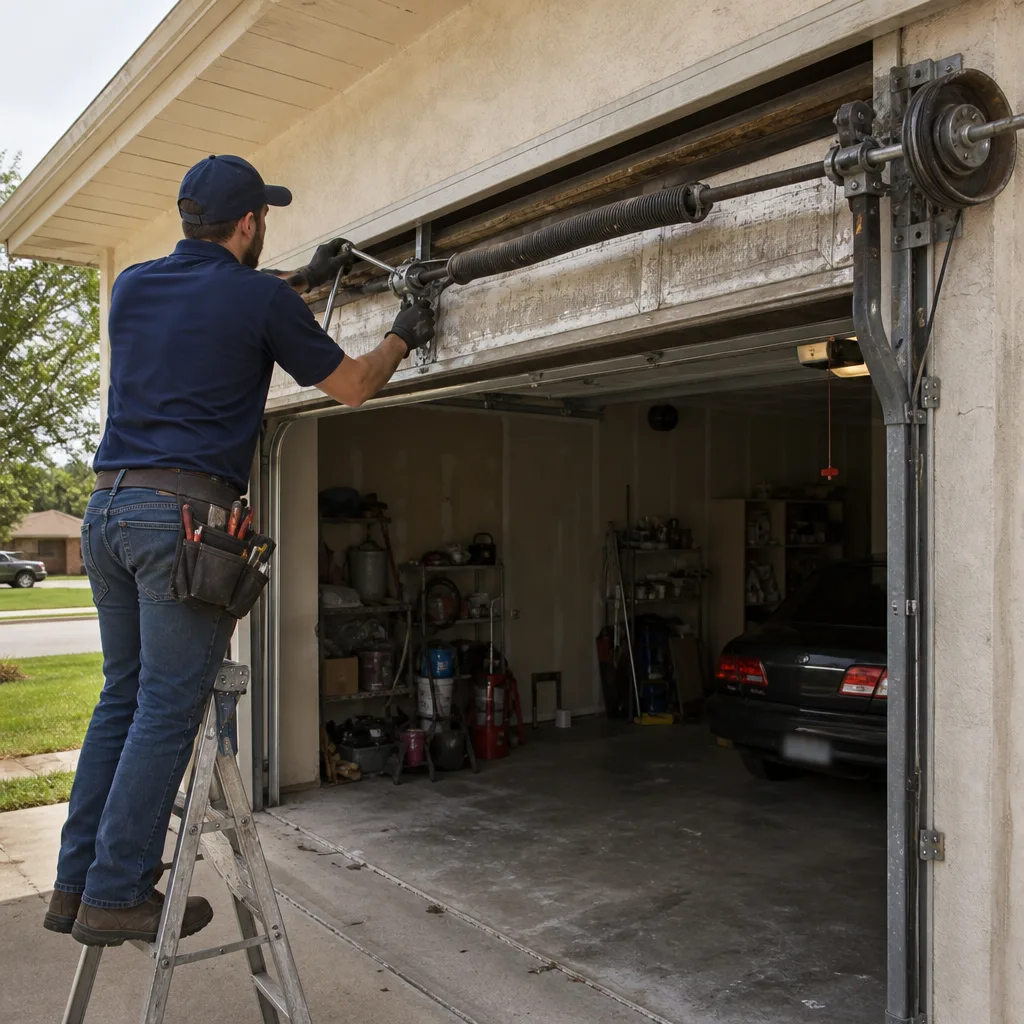 Before
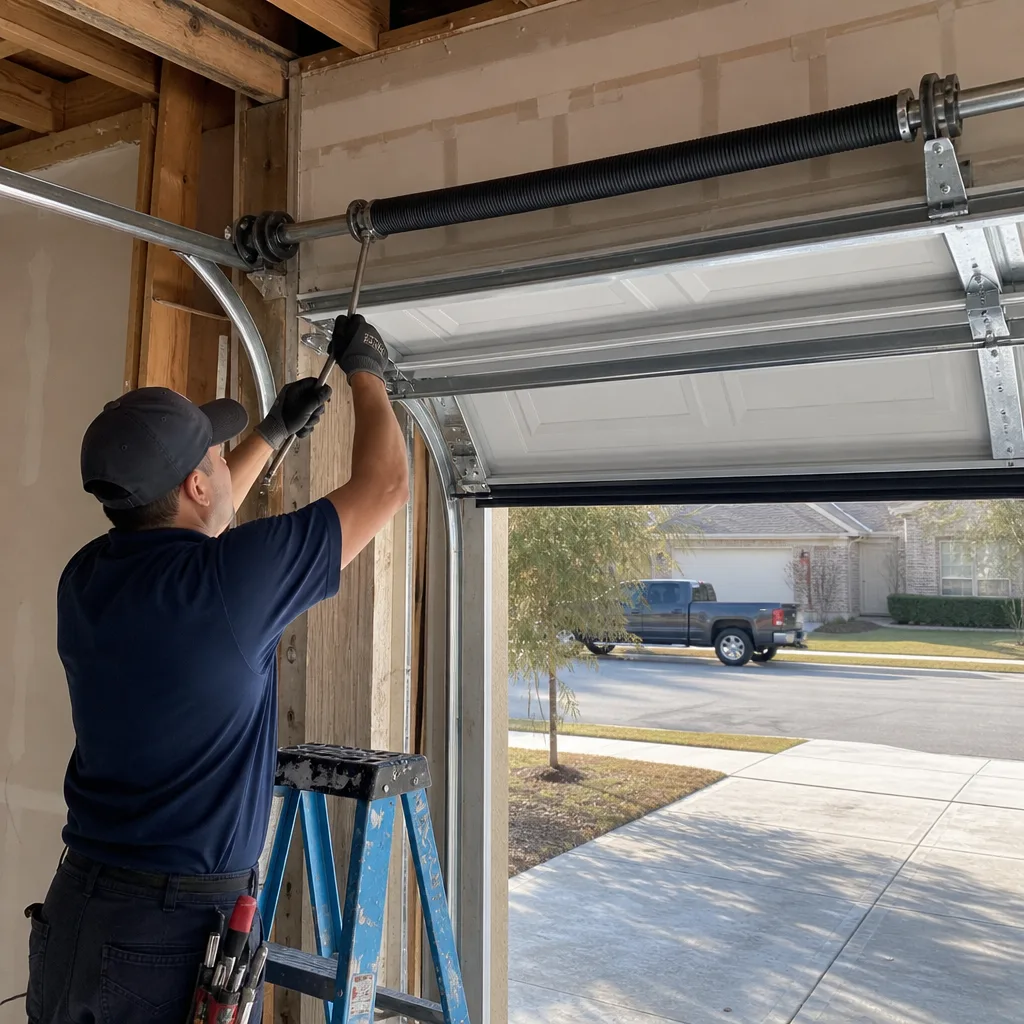 After
After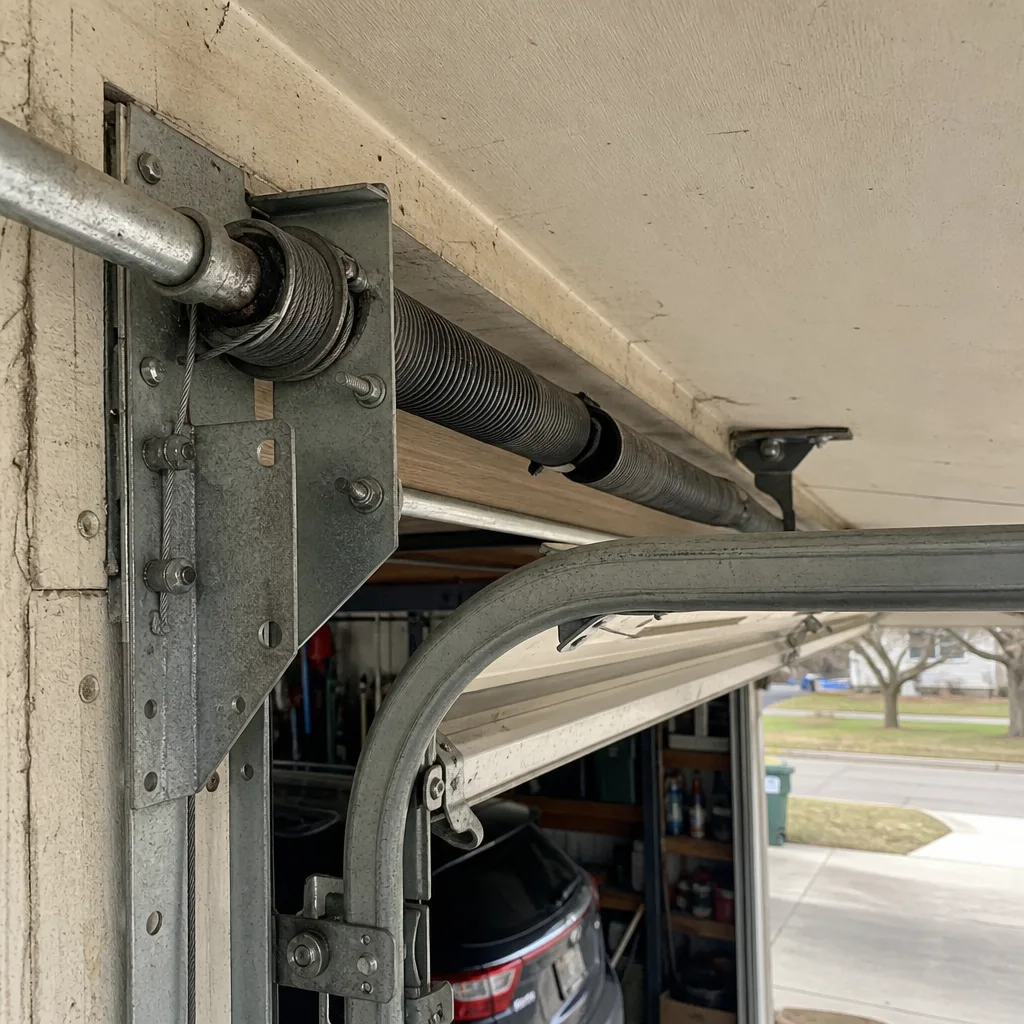 Before
 After
After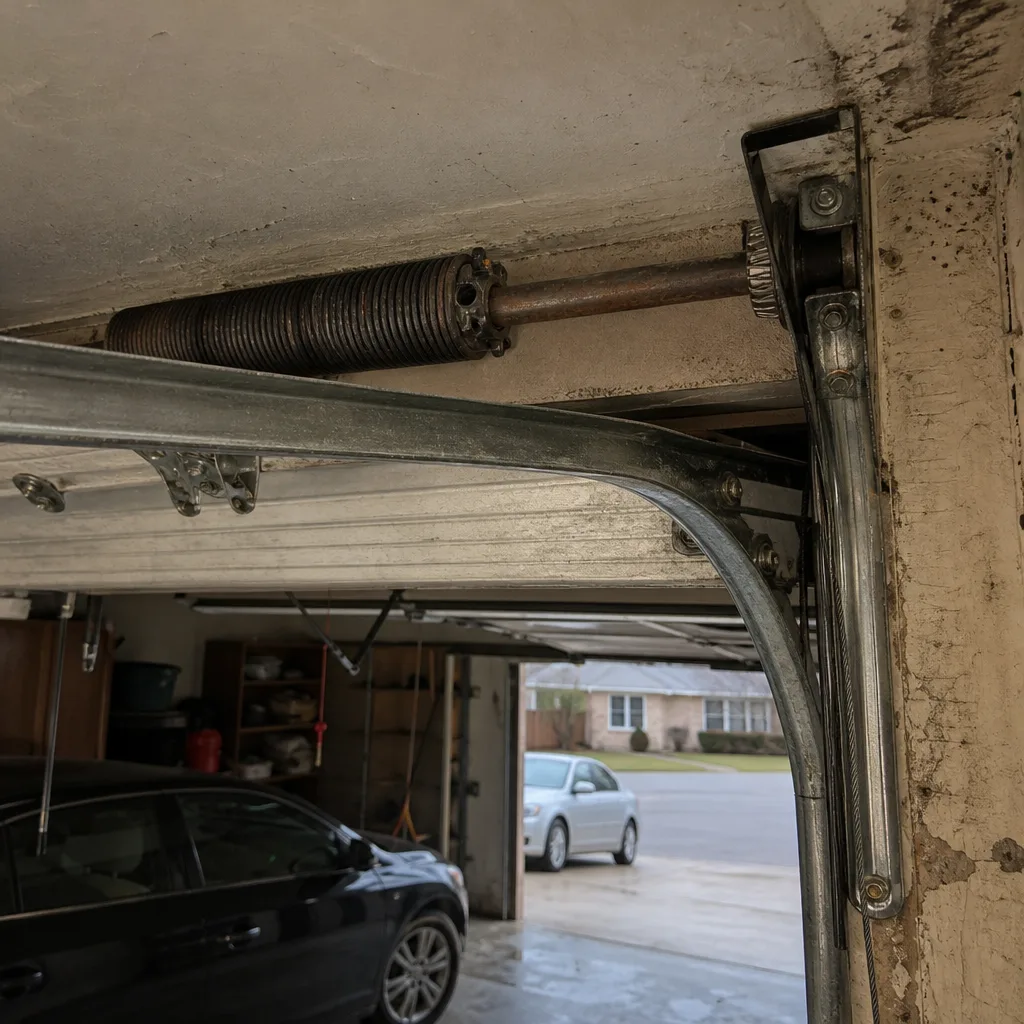 Before
 After
After