
Last updated October 16, 2026
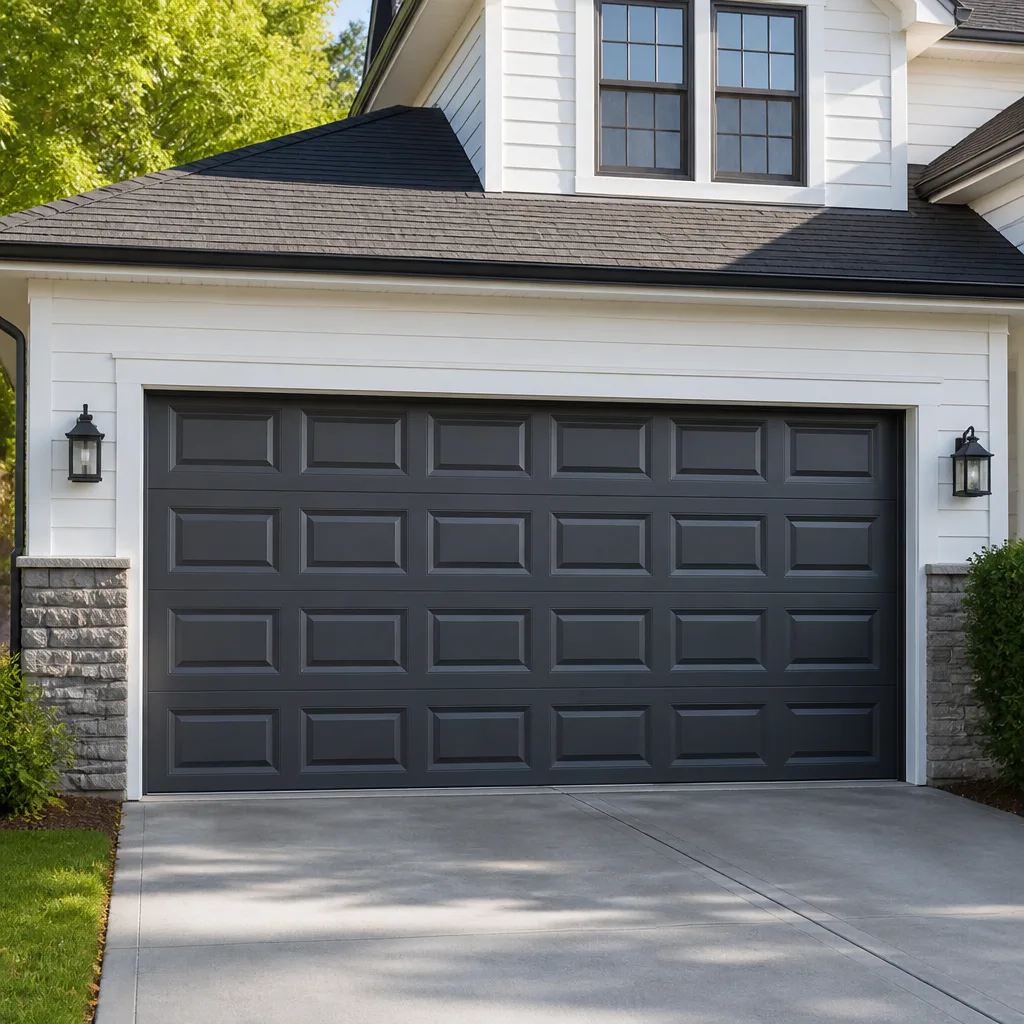 Raised-panel steel
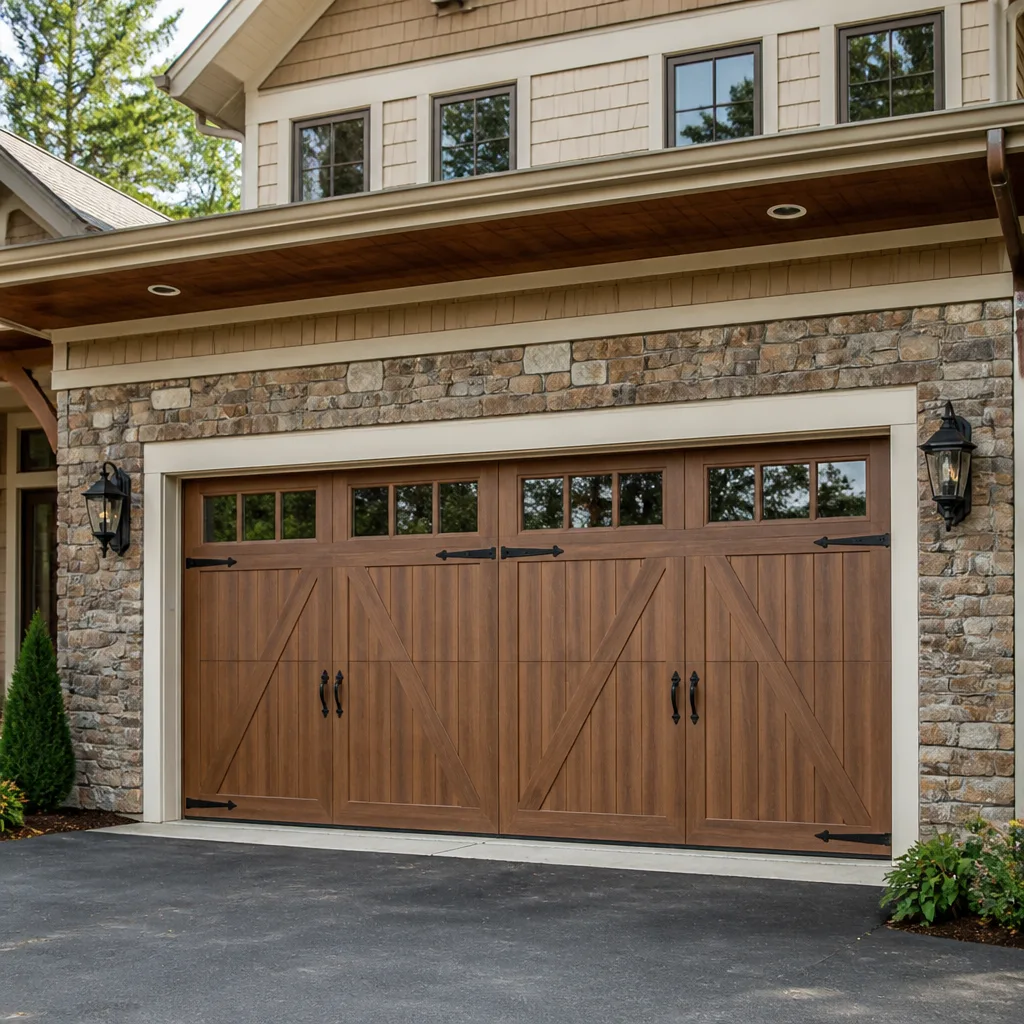 Carriage house
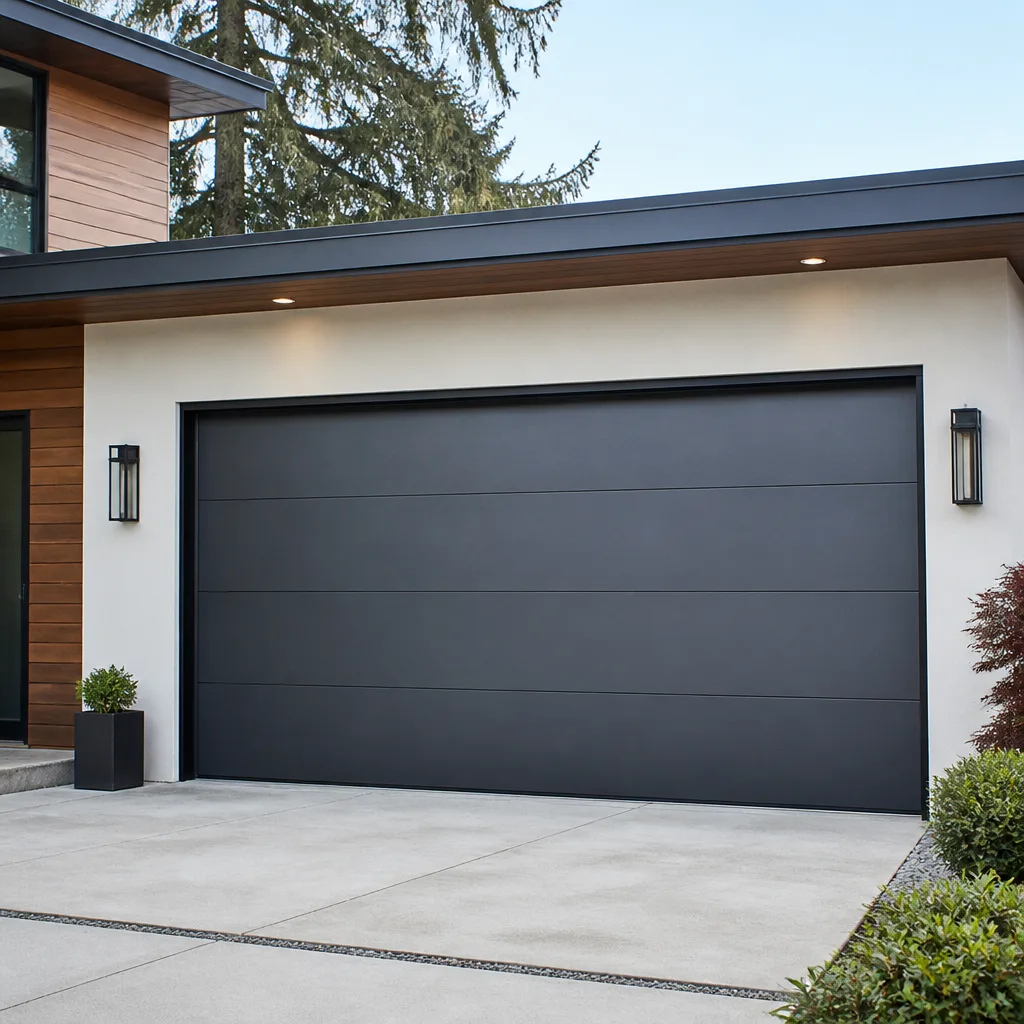 Modern flush
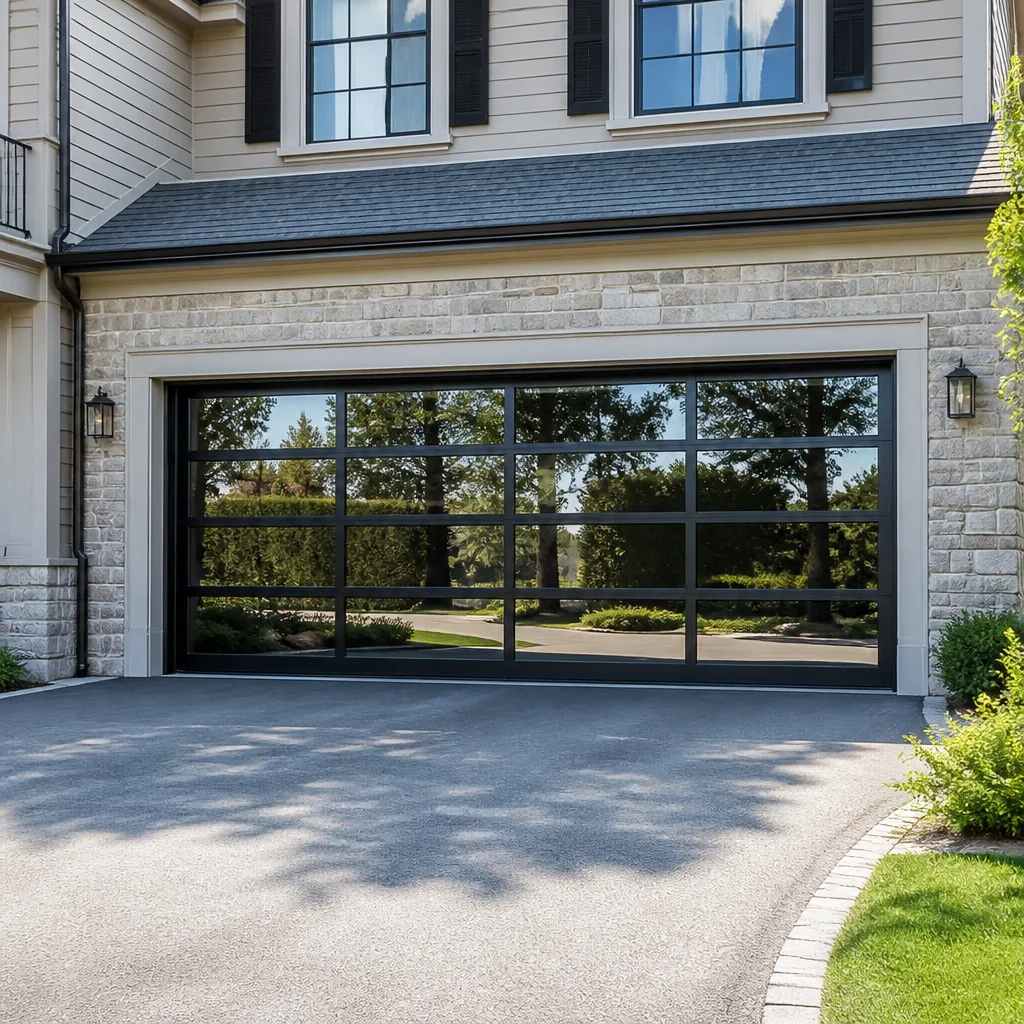 Full-view glass
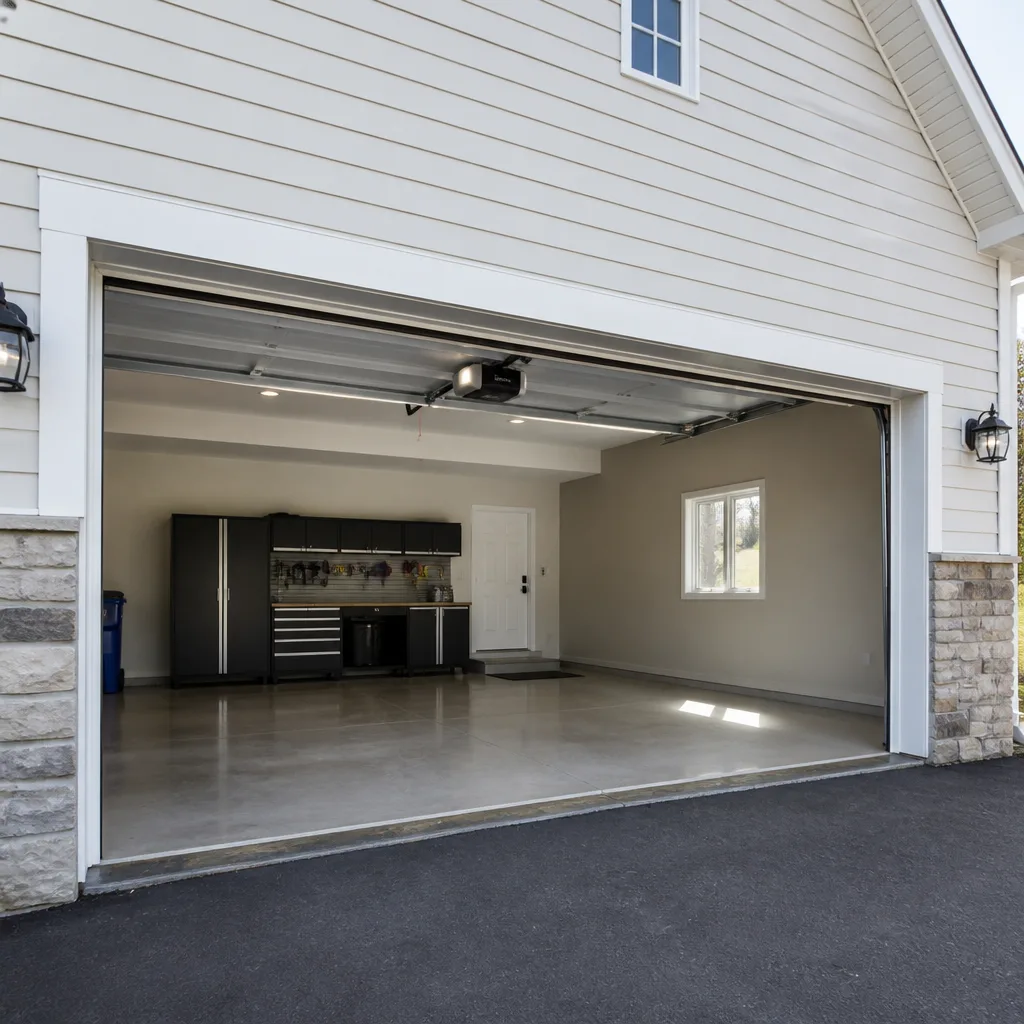 LiftMaster openers
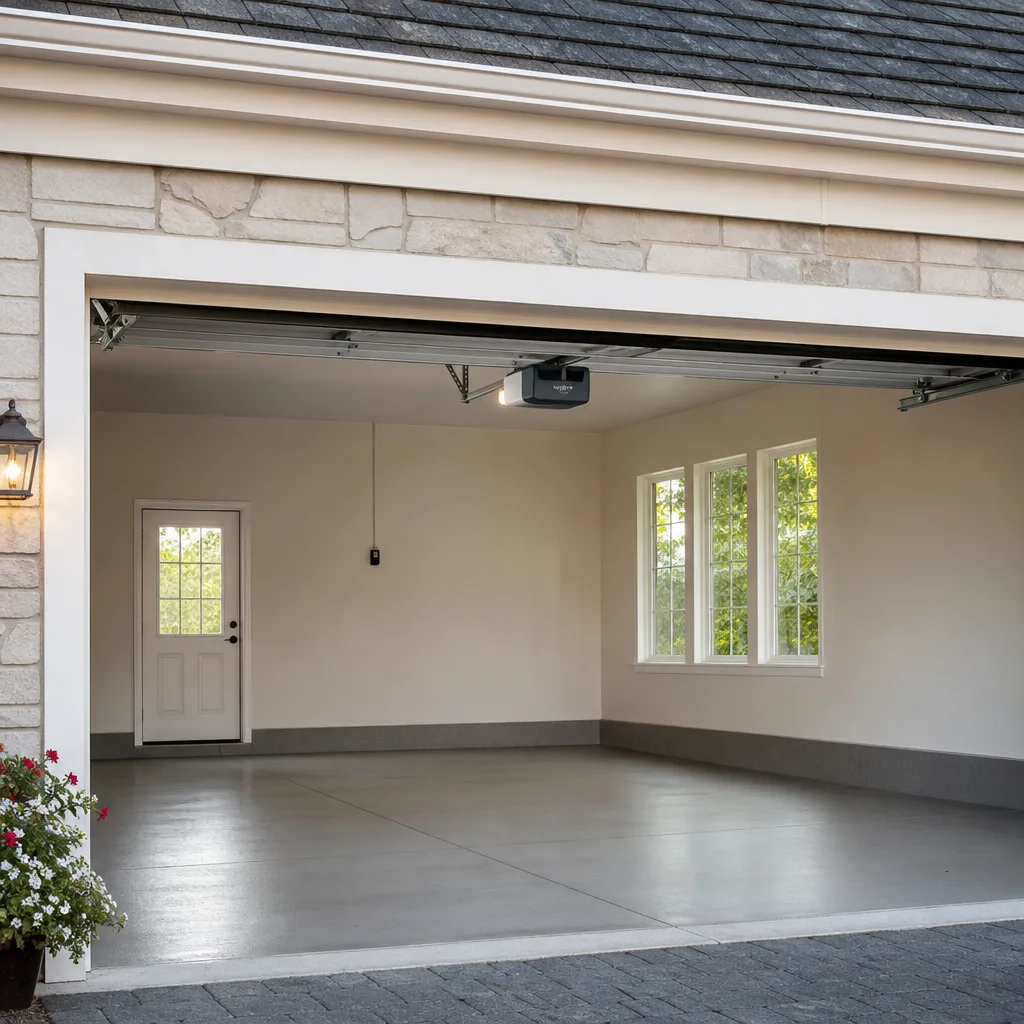 Chamberlain openers
Full 25-point door and opener safety check with every visit - springs, cables, rollers, tracks, and your LiftMaster or Chamberlain opener included
You get a price before we start. It does not change when the truck arrives.
Get your free estimateSeasonal Garage Door Care for Fort Worth: Year-Round Homeowner’s Guide
Fort Worth homeowners lose more garage door hardware to a single February ice storm than to an entire summer of triple-digit heat. The reason is simple: most people skip fall maintenance, and the spring tension plus cable lubrication they neglected is exactly what fails when the temperature drops to 12°F overnight. This guide walks through what to check each season, why Fort Worth’s climate demands a different maintenance calendar than cities up north, and what you can do in 15 minutes that will save you a $300 repair call in January. For a deeper dive, see The Complete Guide to Garage Door in Fort Worth.
Styles & brands we work with
Quick Answer
Seasonal garage door care in Fort Worth means four distinct tasks spaced across the year: lubricate moving parts every fall before the first freeze, inspect weather seals and spring tension each spring after storm season, check for heat damage and UV degradation in July, and test the auto-reverse safety feature every three months regardless of season. Skipping the fall lubrication is the single most common cause of winter garage door failures in Tarrant County, because dry rollers and stiff hinges put extra load on springs that are already fighting cold-contracted metal.
Table of Contents
- Winter: The Fort Worth Freeze Risk (December through February)
- Spring: Storm Season Prep (April through June)
- Summer: Heat and UV Damage (July through September)
- Fall: The Most Important Maintenance Window (October through November)
- How Fort Worth’s 80-Degree Temperature Swings Affect Your Door
- The Post-Freeze Inspection Every Fort Worth Homeowner Should Run
- What Seasonal Repairs Actually Cost in Fort Worth
- Common Mistakes to Avoid
- When to Call a Professional
- Frequently Asked Questions
- The Bottom Line
Winter: The Fort Worth Freeze Risk (December through February)
Fort Worth winters are deceptive. You’ll get stretches of 60-degree days in January, then an Arctic front drops temperatures into the teens for 72 hours. That swing is harder on your garage door than a consistently cold winter in Minneapolis, because the hardware never fully acclimates to cold conditions. Metal contracts suddenly, grease thickens, and a torsion spring that was fine at 55°F becomes brittle at 15°F.
Here’s what to do before and during the freeze risk window:
- Lubricate in late October or early November. Use a silicone-based lubricant on rollers, hinges, and the torsion spring. Oil-based lubricants attract dust and gum up in cold weather, which is the opposite of what you want. A 15-minute lubrication pass in fall prevents most winter binding issues.
- Inspect the weather seal along the bottom of the door. The rubber strip that runs along the floor is what keeps freezing air, rain, and rodents out. If it’s cracked or flattened, replace it before the first hard freeze. A new seal costs $40 to $80 installed, far less than the energy loss and water damage a failed seal causes over a cold winter.
- Test the door manually once a month. Pull the emergency release cord and lift the door by hand. It should feel balanced: not too heavy at the top, not slamming at the bottom. If it wants to fall, your springs are losing tension, and cold weather makes that worse.
- Keep the tracks clear of ice. Fort Worth doesn’t get northern-style ice accumulation on tracks often, but when freezing rain hits, a thin layer of ice on the track can bind the rollers. Never pour hot water on a frozen track; the rapid expansion can crack the metal. Let it thaw naturally or use a small amount of de-icer spray labeled safe for metal.
One thing we tell every Fort Worth homeowner we visit: if your door makes a loud bang during a freeze and stops moving, do not keep pressing the opener button. That bang is usually a torsion spring snapping. Continuing to operate the door puts strain on the opener gear and can strip it. Call a professional. Garage door repair in Fort Worth for a broken spring typically runs $180 to $340, and the repair can usually be done the same day.
Spring: Storm Season Prep (April through June)
North Texas severe weather season is no joke, and your garage door is the largest moving object on your home. A door that’s misaligned or poorly anchored becomes a liability in 70-mph straight-line winds. Most people think about their roof and windows during tornado warnings. They forget that the garage door is the single largest opening in the house, and if it fails, the pressure differential can lift the roof clean off.
Here’s a pre-storm checklist specific to Fort Worth storm season:
- Inspect and tighten anchor bolts. The garage door track is bolted to the wall framing, and those bolts work loose over time from normal operation. Loose bolts allow the track to flex in high winds, which can derail the door. Check all bolts with a wrench every spring. If you find several loose ones, that’s a sign the door may be out of balance.
- Test the manual release. In a power outage during a storm, you need to be able to open the garage door by hand. Pull the red emergency cord and open and close the door manually several times. Reconnect it carefully so the carriage reengages properly with the opener rail.
- Check spring condition. Torsion springs have a lifespan measured in cycles, not years. Most residential springs last 10,000 cycles, which for most Fort Worth households equals 7 to 10 years. If your springs are older than that or show gaps in the coil, replace them before storm season. We’ve replaced springs in homes all over Fort Worth, from Ridglea to Wedgwood, and the failure pattern is consistent: springs fail when you need the door most.
- Clear debris from the tracks. Spring storms bring leaves, twigs, and dirt. Accumulated debris in the vertical tracks causes the rollers to bind and can bend the track. A bent track is a $150 to $250 repair, and it’s almost always preventable with a quick visual check.
If you have an older opener without a battery backup, consider adding one. During Fort Worth’s spring storm power outages, a dead opener means a door you can’t move, and a door you can’t move means a car you can’t get out. We install battery backups on LiftMaster, Chamberlain, and Genie openers, and it’s one of the most practical upgrades for North Texas homeowners.
Summer: Heat and UV Damage (July through September)
Fort Worth summer is a six-month marathon, not a sprint. From May through September, your garage door bakes in direct sun for hours every day. The surface of a dark-colored steel door can reach 160°F or higher. That heat does three things: it degrades the weather seal, it breaks down the panel finish, and it causes the metal to expand enough to change how the door sits in the opening.
Here’s what to look for during the peak heat months:
- Cracked or brittle weather seals. The rubber strip along the bottom and the vinyl seals along the sides harden and crack under prolonged UV exposure. A cracked bottom seal lets hot air, dust, and insects into the garage. In Fort Worth, single-digit winter lows and 100-degree summer highs mean seals here wear out faster than in more temperate climates.
- Faded or chalky panel finish. UV radiation oxidizes the paint and clear coat on steel and aluminum doors. Once the finish breaks down, the metal underneath is exposed to moisture, and rust follows. Catching finish degradation early means a reseal; catching it late means panel replacement.
- Track alignment shifts. Steel expands when it heats. In a garage that hits 120°F inside during the day, the track can warp or pull away from the wall by a fraction of an inch. That fraction is enough to cause the door to bind or run rough. If you notice the door hesitating or making grinding sounds on the hottest days, heat expansion is often the culprit.
- Opener motor overheating. If your garage door opener works fine in the morning but trips its thermal overload by 3 p.m., the motor is working too hard against a door that heat has made slightly out of balance. This is especially common on Chamberlain and LiftMaster units installed more than 8 years ago.
The summer maintenance task list is short but important: inspect the seals in July, clean the tracks with a dry cloth, and run the door at the coolest part of the day to test operation. If the door is fighting you in the heat, don’t wait for fall to address it. A door that runs rough in July will fail in January.
Fall: The Most Important Maintenance Window (October through November)
If you do one garage door maintenance task per year, make it fall lubrication. This is the single highest-impact, lowest-cost action a Fort Worth homeowner can take, and it directly prevents the most common winter failure mode we see: dry rollers binding against cold-contracted tracks.
The fall checklist:
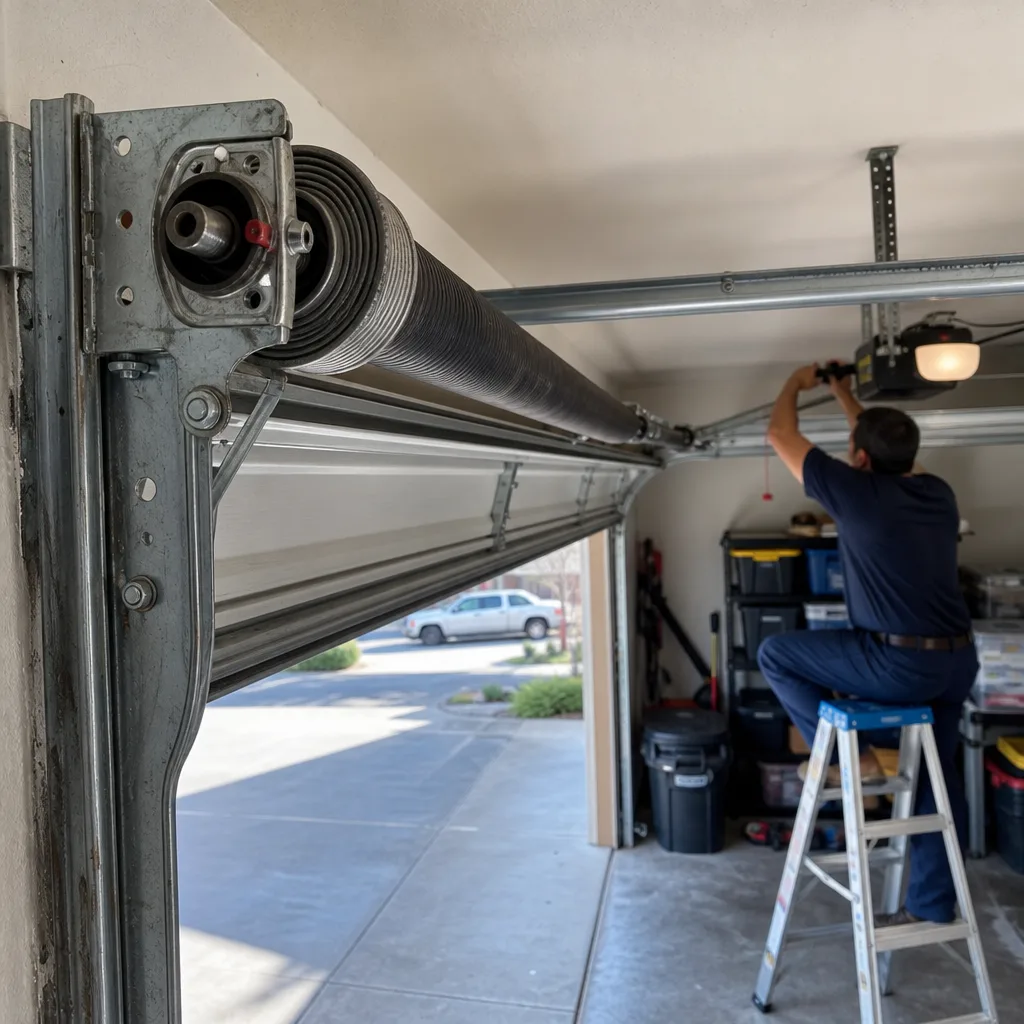
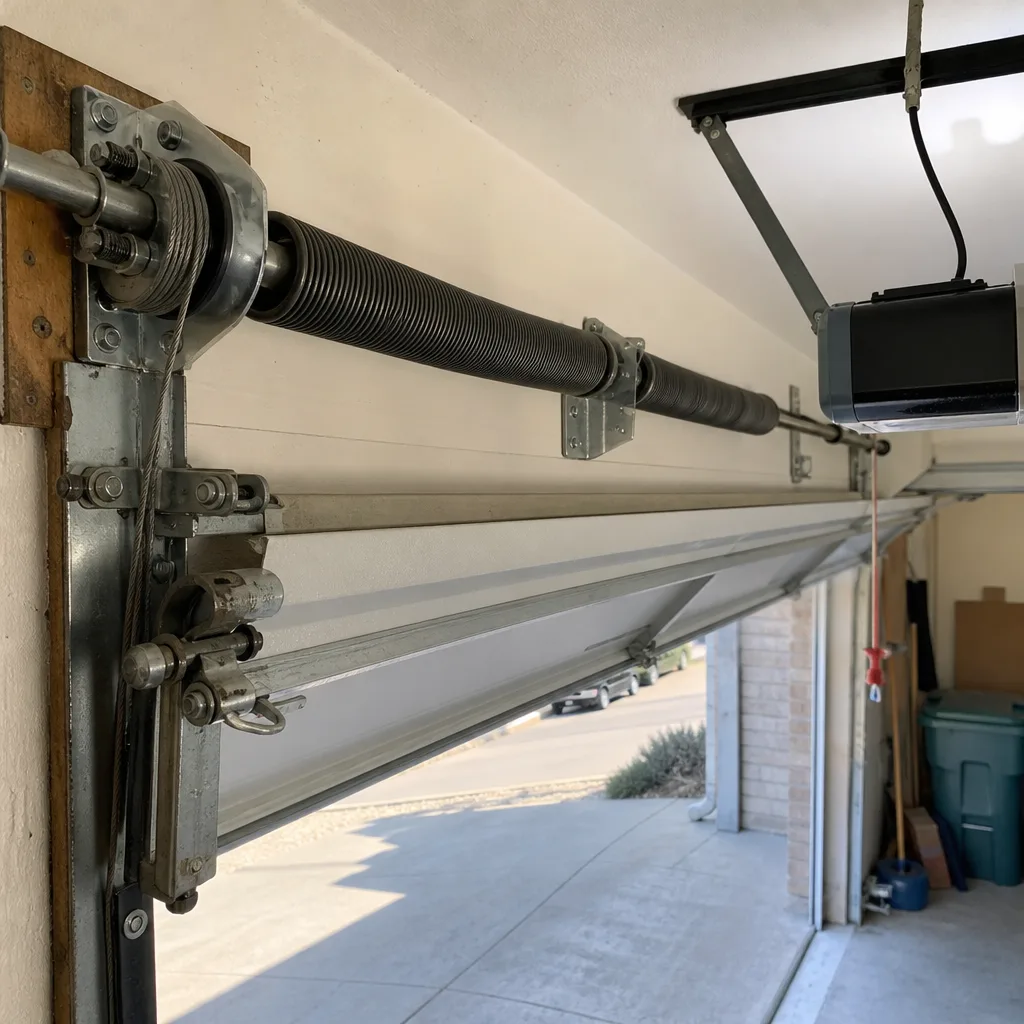
- Lubricate the torsion spring. The torsion spring is the thick coiled spring mounted above the door that bears most of the lifting load. Spray it evenly with a silicone-based garage door lubricant. Do not use WD-40. WD-40 is a degreaser, not a lubricant, and it will strip the protective coating from the spring.
- Lubricate rollers and hinges. Nylon rollers with sealed bearings don’t need lubrication, but steel rollers do. Hit each hinge pivot point and roller bearing with a light spray. Wipe off excess so it doesn’t drip onto the door panels.
- Check and tighten hardware. Go over every bolt and screw on the track, hinges, and brackets. A socket set and 15 minutes covers this. Loose hardware causes the door to run out of alignment, and an out-of-alignment door accelerates wear on everything else.
- inspect the cables. Look at the lift cables on both sides of the door for fraying, kinking, or rust. If you see any of those, call a professional. Cables under tension can snap without warning and cause serious injury. Garage door cable repair in Fort Worth runs $150 to $275, including the service call in most cases.
- Test the auto-reverse. Place a 2×4 flat on the ground under the door and close it. The door should reverse within a second or two of hitting the wood. If it doesn’t, the safety sensors or the force settings need adjustment. This is a 30-second test that should happen every season.
The Garrison Standard we hold ourselves to in Fort Worth is built on this principle: maintenance prevents repairs. A properly lubricated and adjusted door can go years between service calls. A neglected door tends to fail in the worst possible weather. Brock Garage Doors Fort Worth home is our central resource for Fort Worth-specific service details.
How Fort Worth’s 80-Degree Temperature Swings Affect Your Door
Fort Worth’s climate is defined by extremes. It is not unusual to see February temperatures span from 20°F at night to 75°F two days later. That 50 to 80-degree swing in a short window is brutal on a garage door system, and it creates failure patterns that guides written for northern climates never address. For more guides & resources tailored to Fort Worth, visit our blog.
Here’s what thermal expansion does to your door:
- Panel gaps open and close. Steel panels expand in summer and contract in winter. A door that fits tight in July may show small gaps at the panel joints in January. These gaps aren’t just cosmetic; they let cold air in during winter and conditioned air out during summer.
- Weather seal compression changes. The bottom seal compresses against the floor differently depending on temperature. In cold weather, the rubber stiffens and doesn’t compress as well, which is why you notice drafts under the door in winter even if the seal looked fine in August.
- Track alignment shifts by degrees. The metal track expands when hot and contracts when cold. If the track was installed slightly off-plumb, that fraction of a degree becomes visible when temperatures swing. The door may rub on one side in summer and shimmy in winter.
- Spring tension varies slightly. Torsion springs change tension characteristics with temperature. A door that is perfectly balanced at 70°F may feel slightly heavy at 20°F because the spring steel contracts. This is normal, but it means a door that was marginally balanced in fall becomes noticeably out of balance in winter.
The takeaway: don’t judge your garage door’s health on a single day. Check it on a hot day and a cold day. If it runs smooth on one and rough on the other, thermal expansion is likely the cause, and a professional adjustment can usually fix it without replacing parts.
The Post-Freeze Inspection Every Fort Worth Homeowner Should Run
After a hard freeze event, before you operate the door again, run this inspection. We developed this checklist based on what we’ve seen in Fort Worth after every freeze event since 2001, and it catches the failures that turn into bigger problems if ignored.
- Look before you operate. Stand inside the garage and look at the springs, cables, and track. Look for a visible gap in the torsion spring (means it snapped), a slack cable hanging loose, or a track that’s pulled away from the wall. If you see any of these, do not operate the door. Call a professional.
- Listen for unusual sounds. A door that made no noise before the freeze and groans after may have rust or ice in the roller bearings. One or two operations may clear it. If the noise persists past three cycles, something is wrong.
- Run a full open and close cycle. Watch the door as it moves. It should lift smoothly without jerking, pause briefly at the top, and close evenly with no sideways movement. Any hesitation or tilting means a balance problem.
- Check the bottom seal for freeze damage. If ice formed under the door and you opened it anyway, the bottom seal may have torn. A torn seal in February means water intrusion during spring rains, the exact thing you don’t want leading into Fort Worth’s wettest season.
- Test the opener’s safety reverse. Cold can affect the sensor alignment. If the sensors were slightly out of line before the freeze, the contraction of the mounting brackets can push them far enough out to prevent the door from closing. Check that both sensor lights are solid, not blinking.
If the inspection turns up a problem, don’t guess at the fix. Garage door opener repair in Fort Worth for sensor alignment or force settings typically runs $120 to $200, and a spring or cable issue runs $150 to $340. The repair is quoted and agreed before any work starts, so the number on the invoice matches the number you approved.
What Seasonal Repairs Actually Cost in Fort Worth
Knowing the real price range for common garage door repairs in Fort Worth helps you make good decisions and spot a quote that’s way out of line. See our Garage Door Cost Breakdown: The Fort Worth Homeowner’s Reference for 2026 for full pricing details. These numbers reflect what we see across Tarrant County in 2024 and 2025, from Benbrook to Hurst, and they’re based on actual local market pricing, not national averages.
| Repair Type | Typical Range in Fort Worth | Season It’s Most Common |
|---|---|---|
| Torsion spring replacement | $180 to $340 per spring | Winter (cold snaps) and spring (after years of use) |
| Cable replacement | $150 to $275 | Year-round, spikes after freezes |
| Bottom weather seal replacement | $40 to $80 installed | Late summer (UV damage) and January (freeze cracking) |
| Track realignment | $100 to $175 | Summer (heat expansion) and after storm-season door slams |
| Opener sensor or force adjustment | $120 to $200 | Any season, more common after cold snaps |
| Opener motor replacement (belt drive) | $350 to $600 including installation | Summer (overheating) and winter (strain from binding doors) |
| Full spring and cable service bundle | $300 to $525 | Recommended before winter if either part is over 7 years old |
These prices include the service call in most cases. The key is to ask for the price in writing before work begins. At Brock Garage Doors Fort Worth, that’s how every job runs. The written price is handed over before a single bolt turns, and every repair carries the 365-Day Done Right Promise in writing: if the repair fails within a full year, we come back and fix it at no charge.
If you’re unsure whether a quoted price is reasonable, call (682) 730-8314. A live person answers around the clock, and we’ll give you a straight answer about what a repair should cost in Fort Worth.
Common Mistakes to Avoid
- Skipping fall lubrication. This is the one that causes most of the winter breakdown calls we take in Fort Worth. Dry rollers and stiff hinges force the springs to work harder, and cold-contracted metal is already fighting against you. Fifteen minutes in October prevents most of it.
- Using WD-40 on garage door parts. WD-40 will strip the lubrication from rollers and hinges and leave them drier than they started. Use a silicone-based garage door lubricant specifically formulated for the application.
- Ignoring a slow or jerky door. A door that operates a little rough today is telegraphing a future failure. Most garage door problems are progressive; they get worse slowly until they fail suddenly. The sudden failure is always at the worst possible time, which in Fort Worth means during a freeze event or right before you leave for work.
- Attempting DIY spring or cable repair. Torsion springs and lift cables are under enough tension to cause serious injury or death. This is not a task for a YouTube tutorial. Call a professional. In our experience, homeowners who attempt spring repair end up paying more for the resulting damage, not less.
- Replacing parts without addressing the cause. A technician who replaces a snapped cable without checking why it snapped is selling you a temporary patch. Cables usually snap because the spring is failing or the door is out of balance. Fix the cause, not just the symptom.
- Forgetting the auto-reverse test. The auto-reverse feature is a federal safety requirement since 1993, and it saves lives. Test it every season with a 2×4. It takes 30 seconds. If the door doesn’t reverse, the opener needs adjustment before it hurts someone.
- Not checking the weather seal until there’s visible daylight. Weather seals degrade gradually, and by the time you can see light under the door, you’ve already been losing conditioned air for months. Check it twice a year, in July and January.
When to Call a Professional
Some garage door issues are safe to handle yourself: lubrication, visual inspection, tightening bolts, testing the auto-reverse, replacing a weather seal. Others are not. Read our DIY vs Professional Garage Door: The Fort Worth Homeowner’s Decision Guide to know where to draw the line. If your torsion spring is broken, your lift cables are frayed, the track is bent, or the door is off balance and slamming when you close it, call a professional. These problems involve high-tension parts that can cause serious injury if mishandled.
You should also call a professional if you’ve tried the seasonal maintenance steps and the door still runs rough, or if you’re not sure what you’re looking at. Brock Garage Doors Fort Worth offers free estimates in Fort Worth, and our technicians work on LiftMaster, Chamberlain, Genie, Raynor, Clopay, Amarr, Wayne Dalton, and Craftsman systems. Call (682) 730-8314 and a live person will answer, day or night.
Frequently Asked Questions
Twice a year is ideal for Fort Worth’s climate: once in late October before the freeze risk window, and once in late March after the last freeze has passed. At minimum, lubricate every fall. The heat and dust of Texas summers dry out roller bearings faster than in cooler climates, so a light mid-summer touch-up on hinges and rollers also helps. Use a silicone-based garage door lubricant, never WD-40. Call (682) 730-8314 if you want a technician to handle the full seasonal lubrication during a tune-up visit.
You can handle most seasonal maintenance yourself: lubrication, visual inspection of springs and cables, tightening bolts, cleaning tracks, testing the auto-reverse, and checking the weather seal. The tasks to leave to a professional are spring replacement, cable replacement, track realignment, and opener motor work. Never attempt to repair or adjust a torsion spring yourself; springs under tension can cause severe injury. If you complete the seasonal checklist and something still doesn’t feel right, call (682) 730-8314 for a free estimate.
Fort Worth gets colder winter temperatures than Dallas or Austin due to its position further from the Gulf, and it catches the full force of Arctic fronts moving down the Great Plains. The result is a freeze risk window from December through February that other Texas cities experience less severely. Additionally, Fort Worth’s severe weather season runs April through June with higher straight-line wind risk than many parts of Texas. These two factors, freeze contraction and wind load, make fall lubrication and spring anchor inspection more important in Fort Worth than in Houston or San Antonio.
Broken torsion springs in winter, caused by cold-contracted metal plus a dry, under-lubricated spring that has been weakening for months. The pattern is so consistent that we can predict a spike in spring replacement calls every time Fort Worth gets a hard freeze. The average residential torsion spring lasts 7 to 10 years in Fort Worth’s climate. If your springs are in that range and you hear a loud bang from the garage one cold morning, that’s what happened. Call (682) 730-8314; spring replacement typically runs $180 to $340 and we carry the springs on the truck for same-day repair.
Yes, and October or early November is the right time. A pre-winter inspection catches the three things that cause most cold-weather failures: dry rollers that need lubrication, a bottom seal that will crack in the freeze, and springs that are near the end of their cycle life. The inspection itself is straightforward and takes less than an hour. If repairs are needed, the price is quoted in writing before any work starts, so you know exactly what you’re approving. Call (682) 730-8314 to schedule.
Do not force the door open and do not pour hot water on the track or the bottom seal. Forcing the door can snap a cable or damage the opener. Hot water can crack cold metal and damaged rubber. Instead, gently break any ice in the bottom seal gap using a plastic scraper or your hand, then test the manual release cord. If the door still won’t move, wait for the sun to warm the exterior or use a small amount of de-icer on the track. If it remains stuck, call (682) 730-8314; a live person answers 24/7, including during freeze events.
The Bottom Line
Garage door care in Fort Worth follows a calendar most national guides get wrong. You lubricate in fall before the freeze window, inspect anchors and seals after spring storm season, check for heat and UV damage in July, and test safety features every quarter. The most important 15 minutes are the ones in late October. The most important habit is not ignoring a door that runs rough, because in Fort Worth’s climate, running rough in October means broken in February. We’ve been running garage door repair in Fort Worth for over two decades, and the pattern never changes. The homeowners who plan ahead are the ones who never have to call us at midnight during a freeze. The ones who skip fall maintenance are the ones who always do. Every job we do gets the same treatment: a written price before work starts, a written 365-day guarantee, and a technician who shows up on time, uniformed, and background-checked. If you want the seasonal checklist done right, call (682) 730-8314 and we’ll handle it.
Written by Wade Mercer, Owner at Brock Garage Doors Fort Worth, serving Fort Worth since 2001.
See the difference
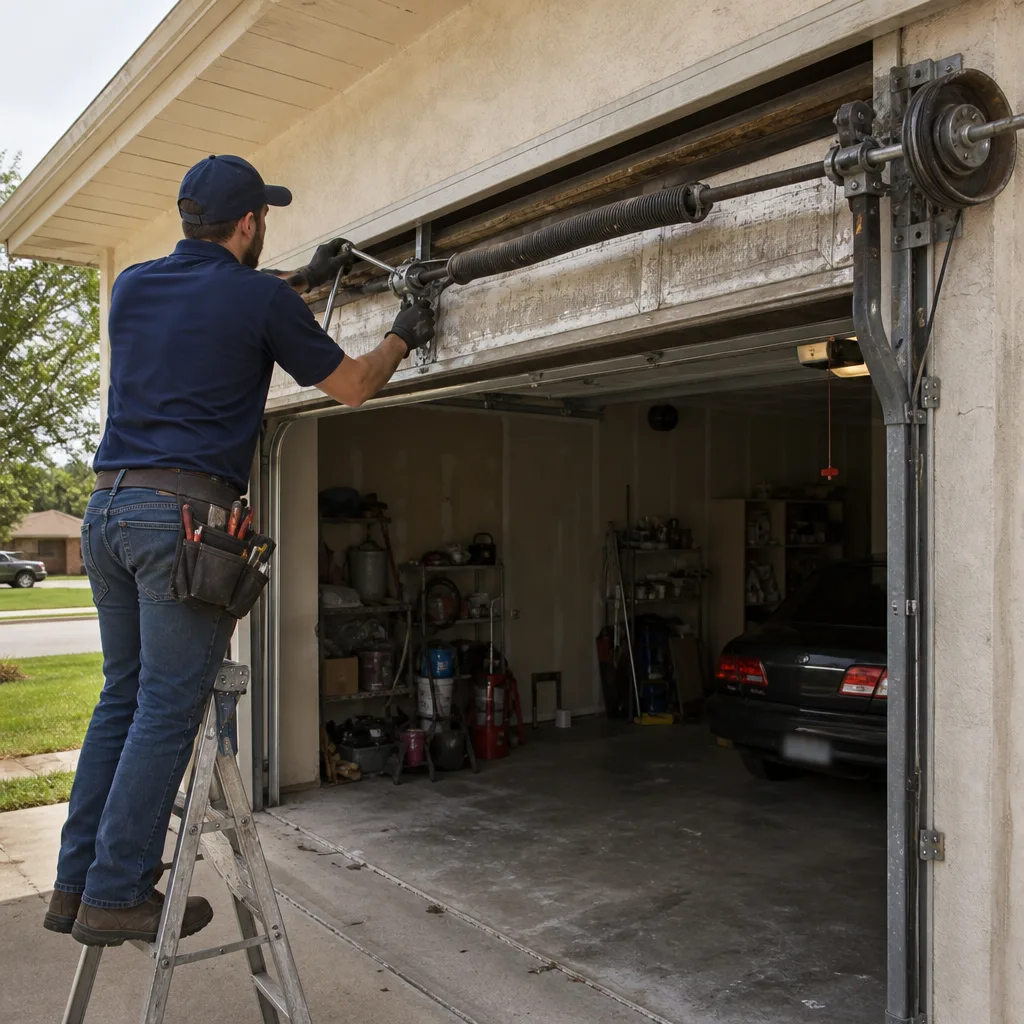 Before
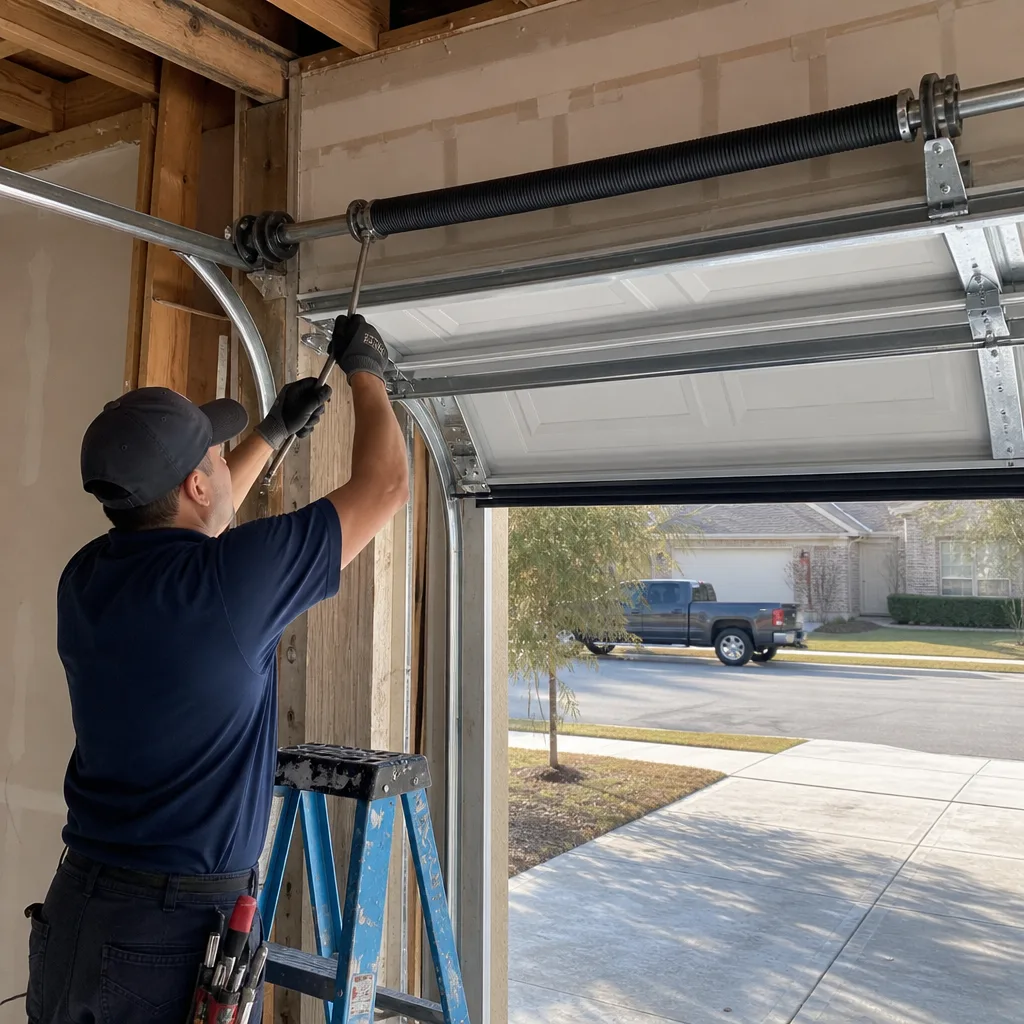 After
After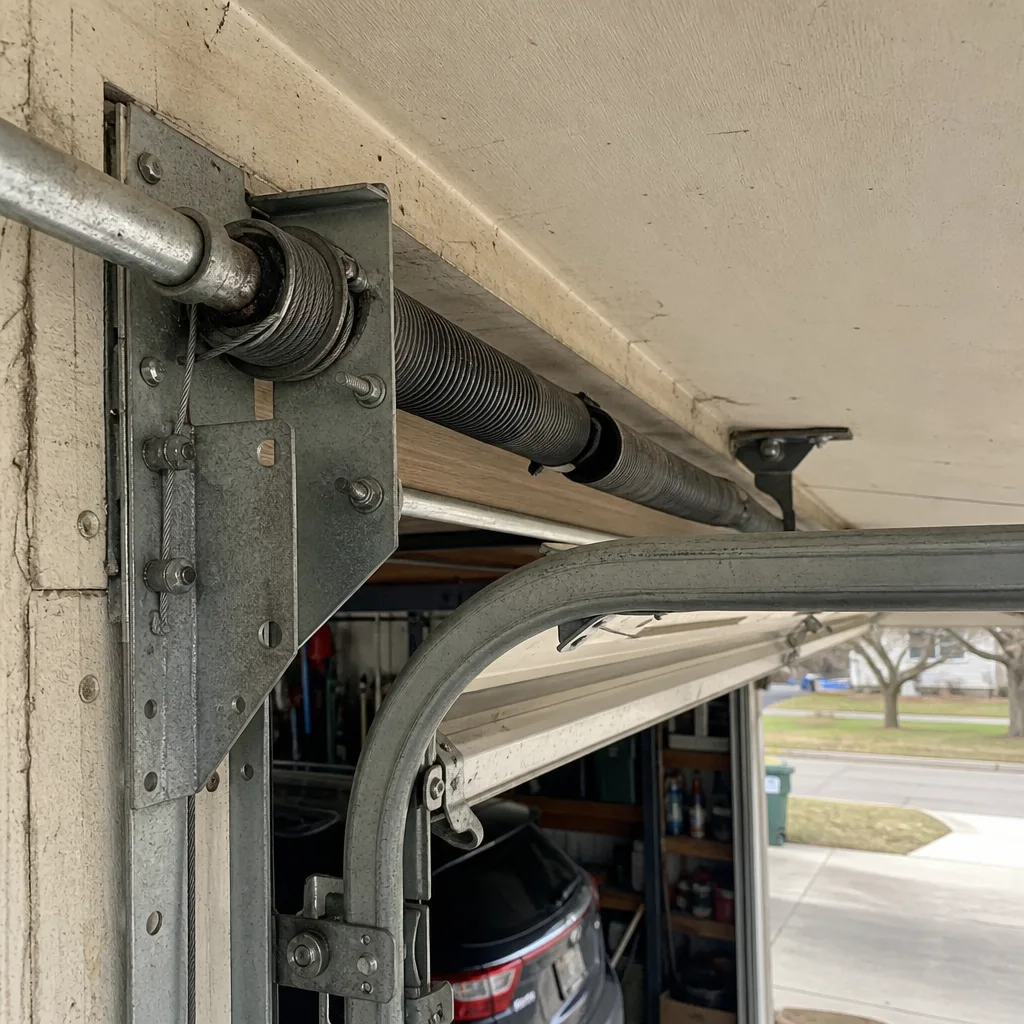 Before
 After
After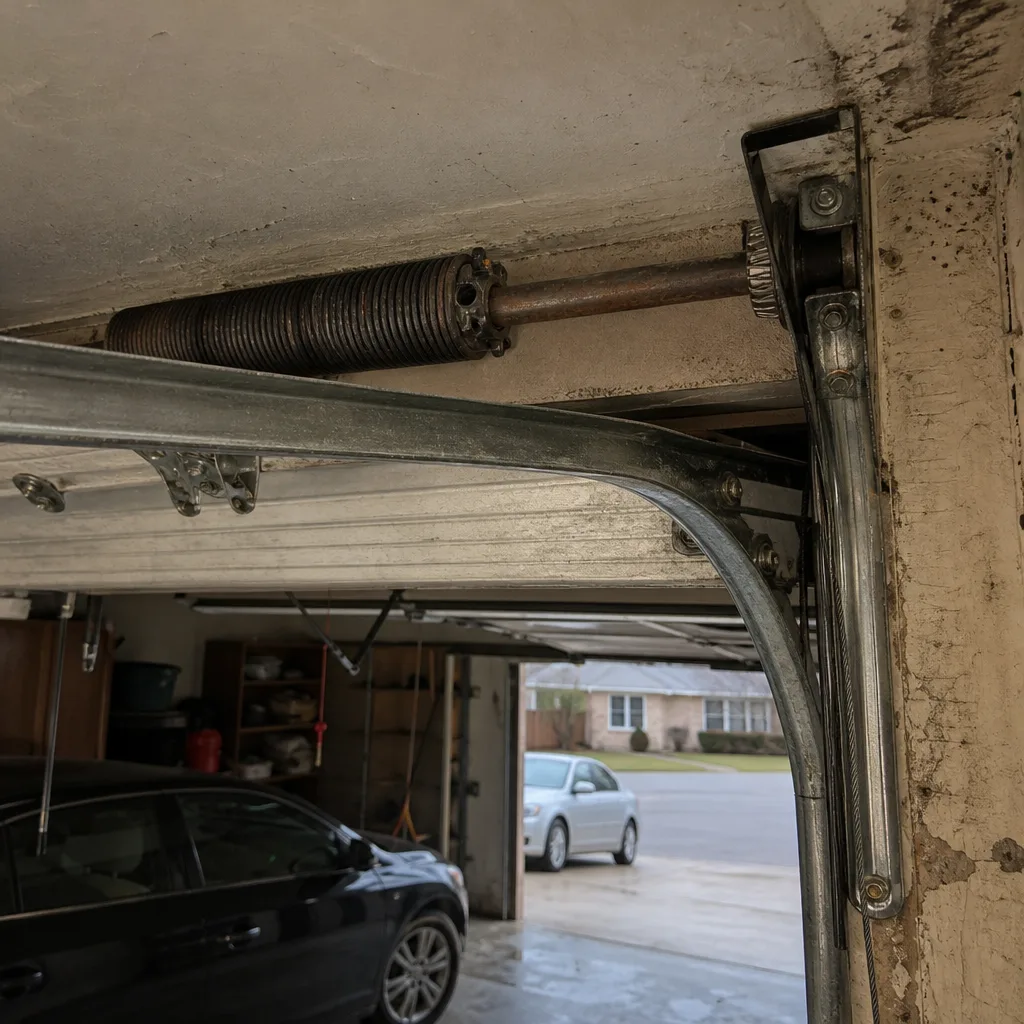 Before
 After
After