
Last updated October 16, 2026
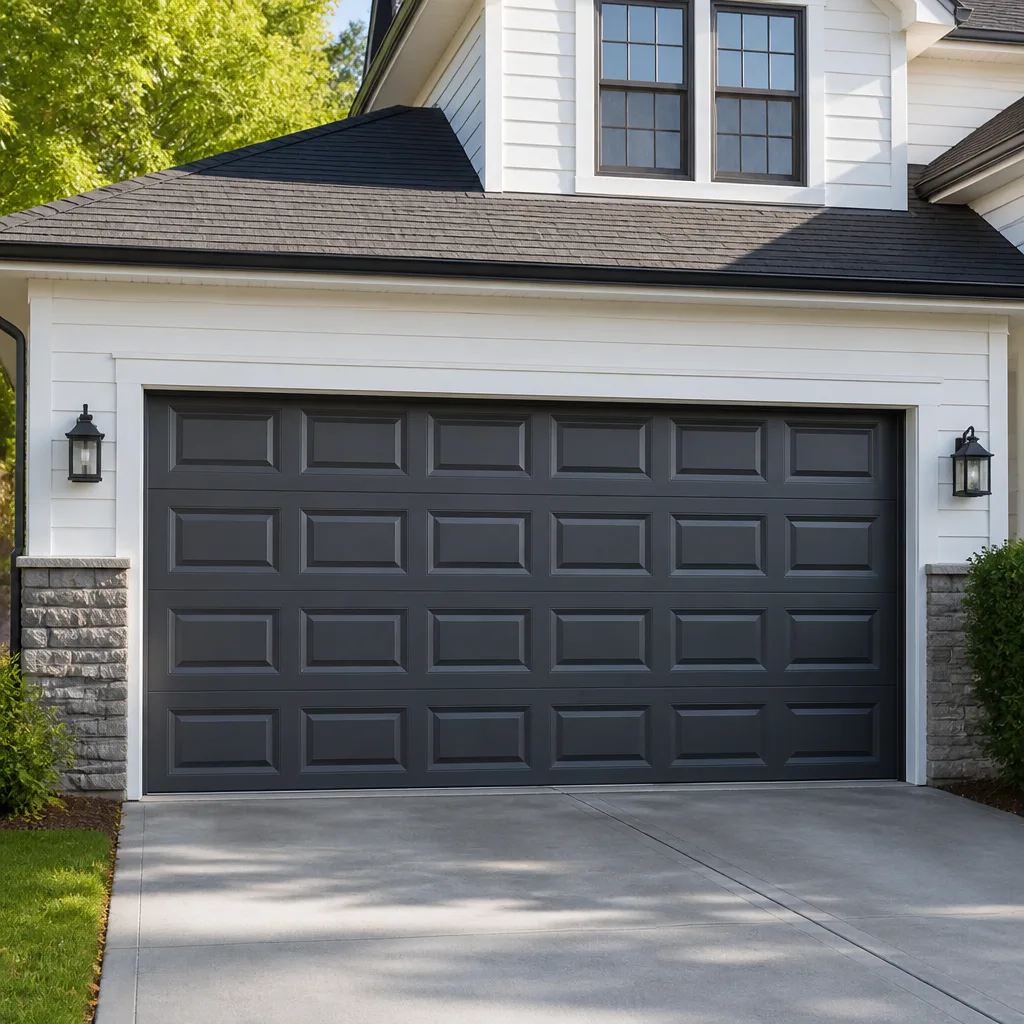 Raised-panel steel
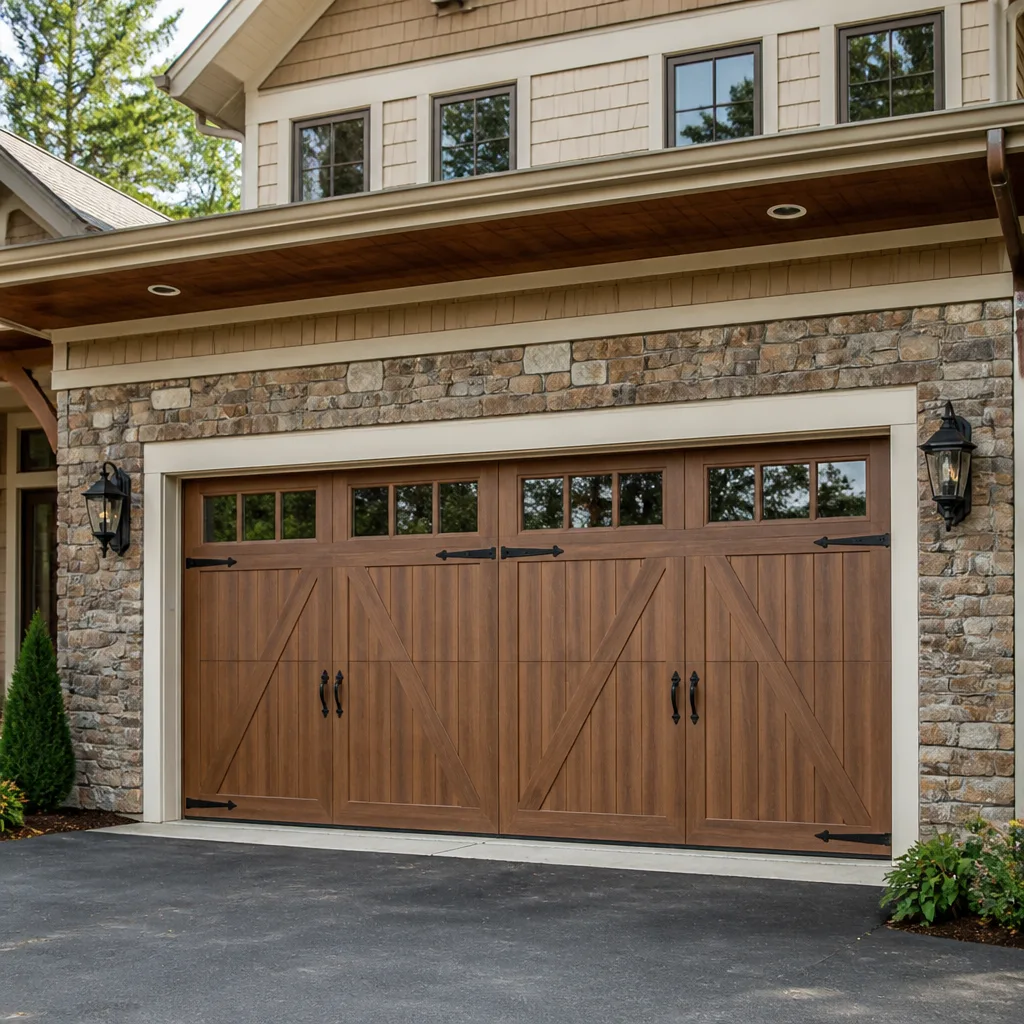 Carriage house
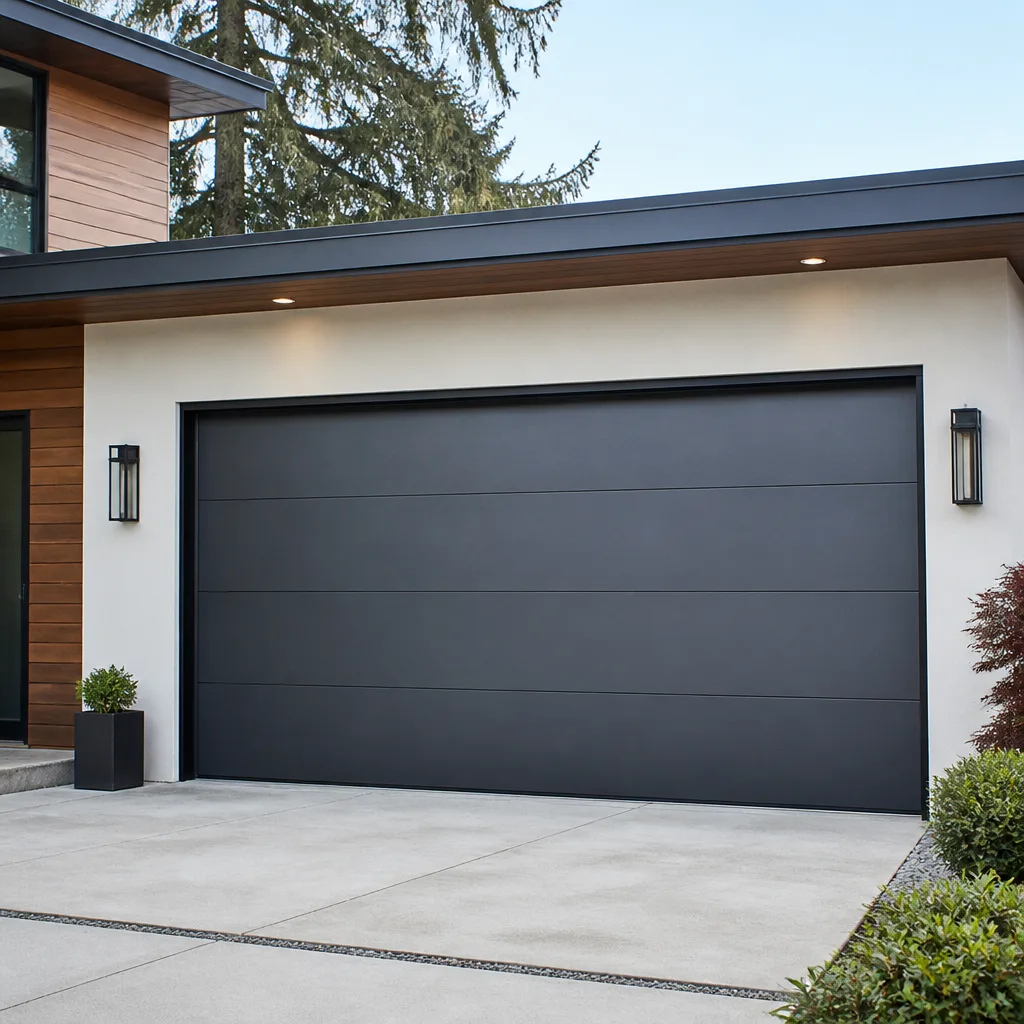 Modern flush
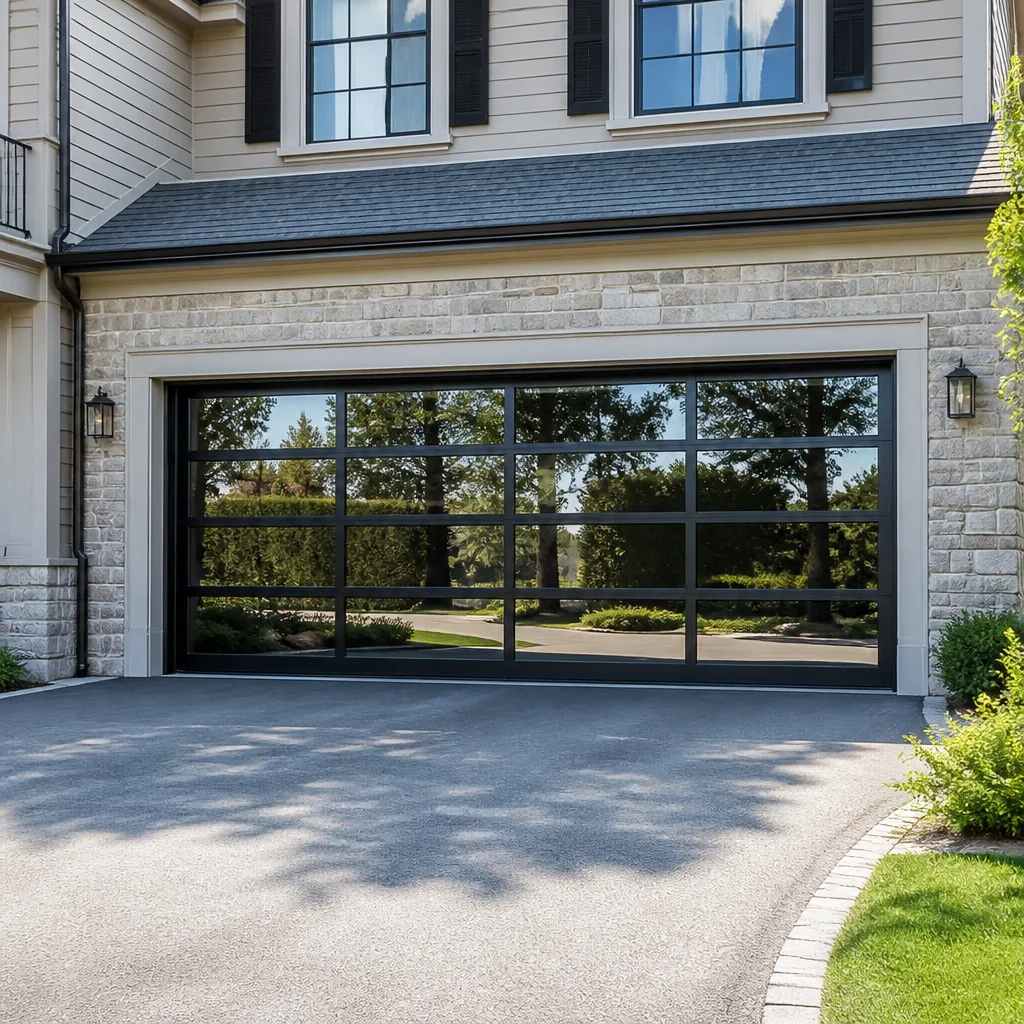 Full-view glass
 LiftMaster openers
 Chamberlain openers
Full 25-point door and opener safety check with every visit - springs, cables, rollers, tracks, and your LiftMaster or Chamberlain opener included
You get a price before we start. It does not change when the truck arrives.
Get your free estimateGarage Door Warning Signs: A Fort Worth Homeowner’s Reference Guide
Most garage doors in Fort Worth don’t die suddenly. They send signals for weeks first, and homeowners who read those signals correctly pay for a $180 spring replacement instead of a $900 emergency repair on a Saturday night. This guide maps nine specific warning behaviors to their mechanical causes so you can describe the problem accurately, know which signs mean stop using the door today, and understand which Fort Worth-specific factors make some garages fail faster than others. For a broader overview, see The Complete Guide to Garage Door in Fort Worth. You’ll learn what to say when you call for service, what a fair price looks like, and which problems you can safely watch for another week versus the ones that need attention before the door comes down on something expensive.
Styles & brands we work with
Quick Answer
A garage door that grinds, shakes, hesitates, reverses unexpectedly, or hangs uneven is almost always communicating a specific mechanical fault, usually in the springs, cables, rollers, or safety sensors. In Fort Worth, the most common warning signs are loud grinding from worn rollers, a door that slows noticeably on descent, and a gap appearing on one side, and each of those has a different timeline and repair cost. The single most important rule: if a torsion spring is visibly broken, or if the door is off its tracks, stop using the door and call a professional. Most warning-sign repairs in Fort Worth run $120 to $350 when caught early, before a cascade failure bends tracks or damages the opener.
Table of Contents
- The Symptom-to-Cause Index: Nine Behaviors and What They Mean
- Two Weeks vs. Today: When to Keep Watching and When to Stop Using the Door
- Fort Worth Clay Soil and Your Garage Door: A Structural Connection Most Guides Miss
- Why Intermittent Problems Are More Dangerous Than Consistent Ones
- What to Tell the Technician: Four Details That Get You an Accurate Estimate
- Typical Warning-Sign Repair Costs in Fort Worth
- Common Mistakes to Avoid
- When to Call a Professional
- Frequently Asked Questions
- The Bottom Line
The Symptom-to-Cause Index: Nine Behaviors and What They Mean
When a homeowner calls us and says “my garage door is making a weird noise,” we have to ask a half dozen follow-up questions before we can even guess at the problem. This index exists so you can skip that step. Match what you’re seeing or hearing to the descriptions below, and you’ll know whether you’re dealing with a $25 part or a structural issue before you pick up the phone.
In our experience serving Fort Worth garages across neighborhoods from Wedgwood to Saginaw, the same nine signals account for the overwhelming majority of pre-failure calls. Here they are, mapped to cause.
1. Grinding or squealing when the door moves
What you’re hearing: A metallic scrape or high-pitched squeal that happens every time the door travels, getting louder over weeks.
Likely cause: Worn or dry rollers. Fort Worth’s heat and the fine dust that blows in from the west dry out roller bearings faster than in coastal climates. Metal rollers running on metal tracks without lubrication produce that grinding sound. If neglected long enough, the roller seizes, then starts dragging flat spots onto the track.
Timeline: Two to four weeks of noise before the roller fails. Repair is usually $120 to $200 for a roller replacement set. This is a Brock Garage Doors Fort Worth home specialty call: we see more roller failures in July and August than any other months.
2. Slow descent on the way down
What you’re seeing: The door’s upward travel seems fine, but closing takes visibly longer than it used to, or the door pauses partway and then creeps down.
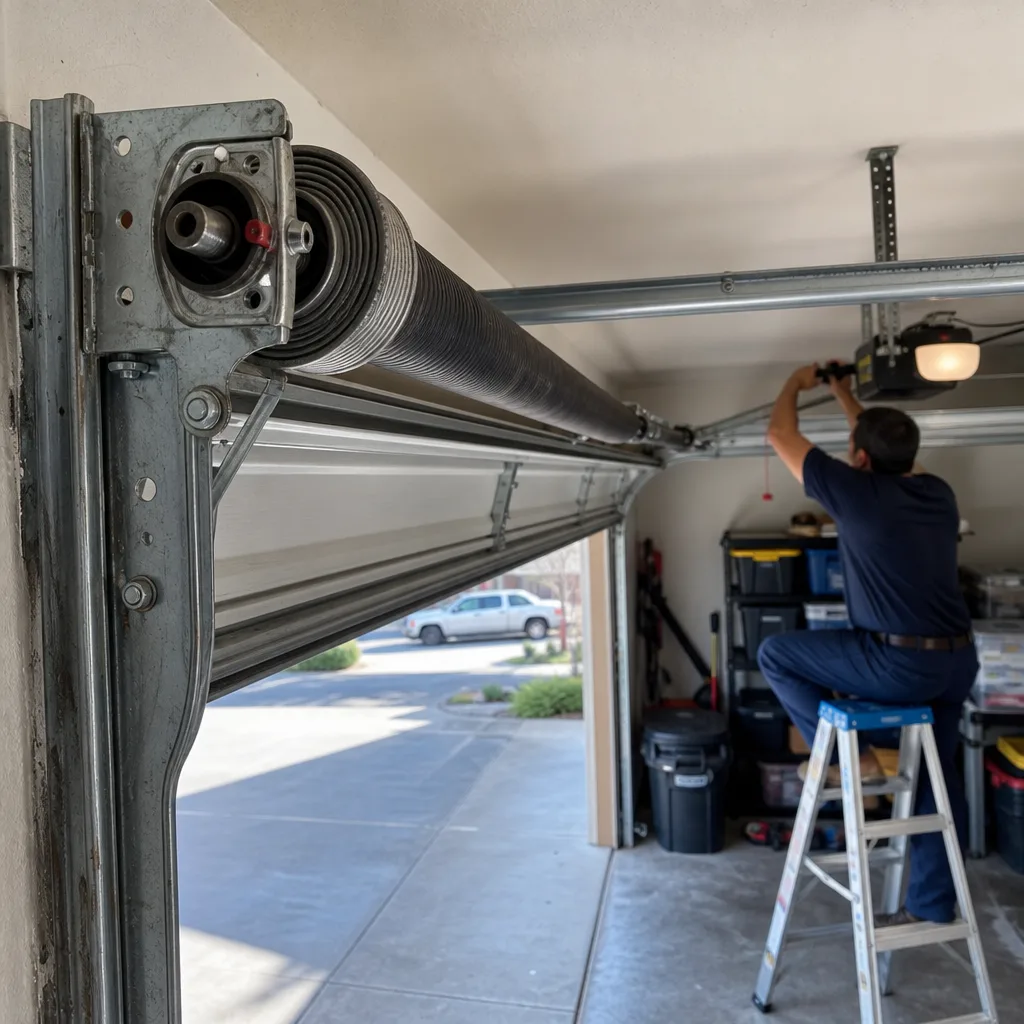
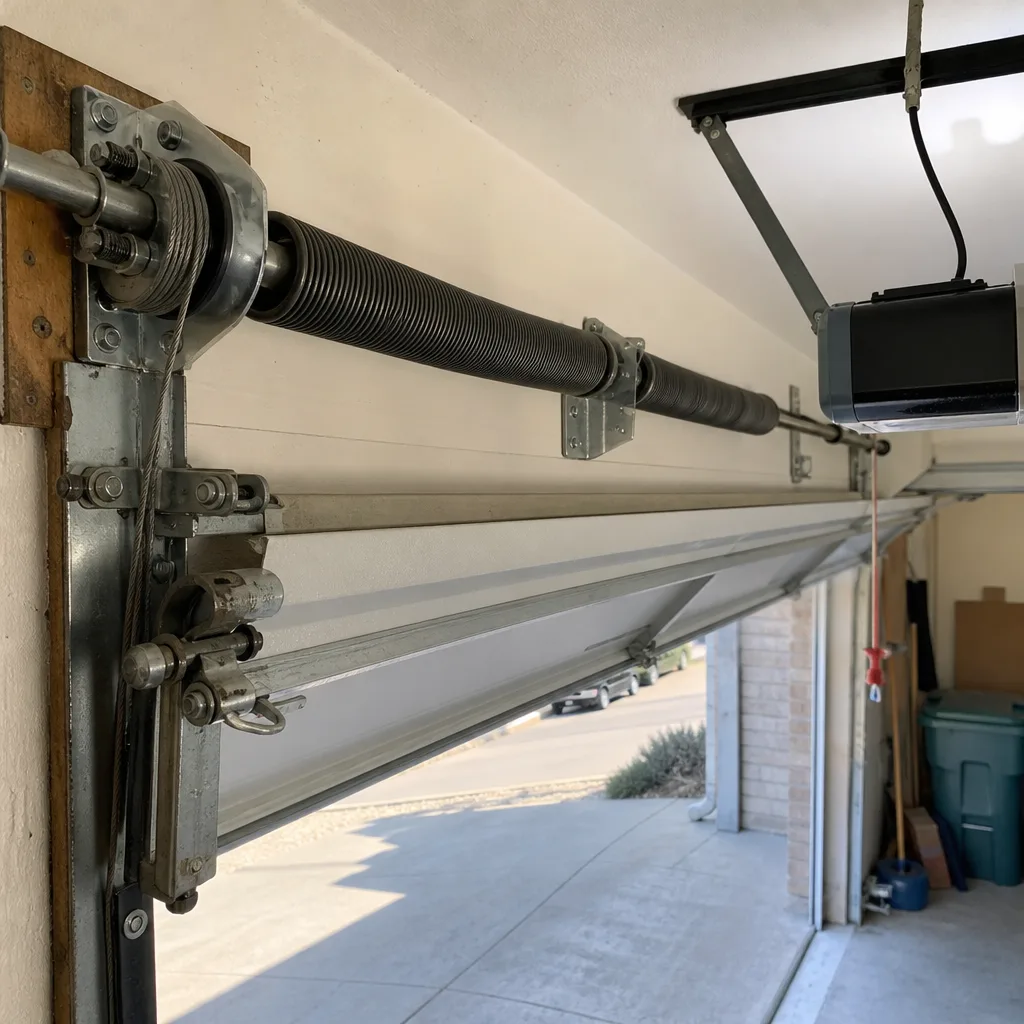
Likely cause: Weak or imbalanced torsion springs. The spring, the thick coiled assembly mounted above the door, bears most of the lifting load. As it ages and loses tension, the door gets heavier relative to the spring’s counterbalance. The opener motor compensates on the way up but gravity works against everything on the way down.
Timeline: A door that’s slowing but still closing fully has weeks of usable life left, but the spring is degrading. Replacement in Fort Worth runs $180 to $340 per spring, depending on door weight and spring cycle rating. This is a Garage Door Repair in Fort Worth call you can schedule during normal hours, not an emergency, as long as the door still closes completely.
3. A visible gap on one side when the door is closed
What you’re seeing: The door meets the floor evenly on one side but leaves daylight showing under the other. Or the gap shifts from one side to the other over days.
Likely cause: A failing cable or a spring that’s lost tension on one side. If a cable has begun to fray, it stretches before it breaks, and that stretch allows one side of the door to settle lower than the other. On cable issues, the gap usually stays on the same side.
Timeline: If a cable is visibly frayed, stop using the door. A frayed cable can snap under load, and a snapped cable turns a controlled door into dead weight on one side. Garage Door Cable Repair in Fort Worth calls we handle before the snap average $150 to $275. After the snap, the repair often includes a new drum and sometimes a bent track, which pushes the total past $450.
4. The door reverses before touching the floor
What you’re seeing: You press the button, the door travels down, then reverses back up before it ever touches the ground. Sometimes it does this three or four times before finally closing.
Likely cause: Safety sensor misalignment or an obstruction in the sensor beam. Fort Worth garages shift with the seasons as clay soil expands and contracts, and that tiny movement in the wall or the track bracket can knock the two photo-eye sensors out of alignment. For year-round maintenance tips, read our Seasonal Garage Door Care for Fort Worth: Year-Round Homeowner’s Guide. The sensors sit about six inches off the ground on either side of the door opening. If their infrared beam breaks, the door refuses to close.
Timeline: If the door closes when you hold the wall button down continuously, the sensors are the problem and the repair is usually a five-minute realignment costing $75 to $100. If the door reverses even with the button held, the issue is probably force-sensitivity, and that’s a different, more serious conversation about spring tension and opener logic.
5. Shaking or shuddering during travel
What you’re seeing: The door moves, but the whole assembly rattles. The tracks visibly vibrate. Panels seem to wobble.
Likely cause: Loose track bolts, worn hinges, or an opener that’s pulling against a door that’s out of balance. In Fort Worth, we also see this after a storm or a hard wind event. High winds can flex the door slightly, loosening the bolts that hold the track brackets to the jamb.
Timeline: A shaking door is safe to operate for a short time, but every cycle loosens hardware further. If you hear the shaking getting worse day over day, schedule a tightening and inspection call before a track bracket pulls out of the wall. Tightening and lubrication service in Fort Worth typically runs $90 to $140.
6. The door jerks in the middle of travel
What you’re seeing: Instead of moving smoothly, the door hitches or jumps at roughly the same spot in the curve every time.
Likely cause: A flat spot on a roller, debris in the track, or a track section that’s been dented. In Fort Worth garages that double as workshops or storage, a ladder or bicycle leaning against the track is a common culprit, and the dent it leaves creates a recurring bump at one point in the travel.
Timeline: A jerk at one point means something is obstructing travel, and that something is getting bumped every cycle. If it’s debris, clear it. If it’s a dented track, the track needs replacement or repair, which runs $150 to $300 in Fort Worth depending on how much rail is damaged.
7. You can hear the opener motor running but the door doesn’t move
What you’re seeing: The opener hums, whirs, or grinds, but the door stays in place or barely moves.
Likely cause: Either the opener’s gear is stripped, or the springs have failed so completely that the motor can no longer assist. The distinction matters. If a spring broke, the door itself is suddenly much heavier, and running the opener against that weight destroys the opener gear in moments. If the opener gear is stripped, the motor spins but the drive gear doesn’t engage.
Timeline: Stop using the door. Disengage the opener using the red emergency release cord and try to lift the door by hand. A door that feels unusually heavy means a spring broke, and that’s a spring replacement. A door that lifts normally by hand means the opener itself failed, and you need Garage Door Opener Repair in Fort Worth work, typically $150 to $250 for a gear replacement or more for a new unit.
8. A grinding or popping noise from the spring area
What you’re hearing: A sharp pop or bang from above the door when it moves, or a grinding from the spring assembly itself, not from the rollers.
Likely cause: Spring coils binding, a spring that’s beginning to separate, or, in the worst case, a spring that has just snapped. A pop is often the sound of one coil releasing tension. On some Fort Worth homes with older Chamberlain and Genie openers, the noise comes from the opener’s internal chain or screw drive, and it can sound spring-related when it isn’t.
Timeline: If you heard a pop and the door still works, count yourself lucky and stop using the door until the spring assembly is inspected. A partially failed spring changes the door’s balance entirely. If a spring has visibly separated into two pieces, the door is unsafe to operate by hand or with the opener. Spring replacement in Fort Worth runs $180 to $340 per spring, and we always replace both springs on a two-spring door so tension stays balanced.
9. The door sags or bows when open
What you’re seeing: With the door fully open, a visible sag appears in the middle of the horizontal section, or the top panel bends noticeably.
Likely cause: A weak top panel, failing strut, or a door that’s been carrying more load than the springs can counterbalance for months. In Fort Worth, garage doors that face south or west take direct Texas sun, and that heat accelerates panel fatigue over a decade or more.
Timeline: A sagging door is structurally degrading. It won’t fail tomorrow, but the panel will worsen and eventually crack or pull away from its hinges. Replacing a top panel on a common Fort Worth door runs $350 to $600. Replacing the whole door runs $1,200 to $2,500 depending on size and material.
Two Weeks vs. Today: When to Keep Watching and When to Stop Using the Door
Not every warning sign is an emergency. Some give you a comfortable window for a scheduled repair. Others mean the door is dangerous to operate right now. If you’re planning to hire help, our How to Hire a Garage Door Contractor in Fort Worth: A Step-by-Step Guide walks you through the process. The distinction comes down to whether the failure mode is progressive or catastrophic. Progressive failures get worse gradually. Catastrophic failures release stored energy all at once, and that’s where people get hurt and vehicles get damaged.
Signs that give you two weeks (schedule a repair, don’t panic)
- Roller noise increasing: Loud rollers won’t fail catastrophically as long as the door is still moving smoothly. You have days to weeks.
- Slow but complete descent: The door closes fully, just slowly. The spring is weakening but hasn’t failed. Schedule replacement before it lets go.
- Minor sensor misalignment: The door reverses and then closes when you hold the button. That’s a sensor issue, and it’s safe to use with the wall button in the meantime.
- Light shaking in the tracks: Loose hardware that’s getting looser. Safe for now, but schedule a tightening before it becomes a bigger problem.
- Sagging panel without cracks: Structurally concerning but not dangerous today. Plan for panel or door replacement in the coming months.
Signs that mean stop using the door today
- A visibly separated torsion spring: The spring above the door has snapped into two pieces. The door now weighs its full 150 to 300 pounds without counterbalance, and that weight is now sitting on the opener, the cables, and whatever happens to be underneath. Stop. Call a professional. Do not try to open or close the door manually.
- A frayed or partially unwound cable: Garage door cables hold enormous tension. A frayed cable can snap at any moment, and when it does, the door falls on that side. Never stand under a door with a damaged cable, and never try to re-spool or adjust a cable yourself. High-tension cables require trained handling.
- The door is off its tracks: If the rollers have come out of the track on either side, the door’s entire alignment is compromised. Continued operation can pull the entire assembly out of the wall.
- The door falls when you release the opener: Disengage the emergency release and the door drops instead of staying in place. That means the springs are no longer counterbalancing any of the weight. Do not operate the door.
In Fort Worth, where many homes have attached garages that double as the main entry point, a door that’s unsafe to operate is also a security issue. A door stuck open exposes your home. A door that can’t be lifted traps your vehicle. When the door crosses from noisy to dangerous, the repair stops being optional.
Fort Worth Clay Soil and Your Garage Door: A Structural Connection Most Guides Miss
Every national garage door guide says the same things: watch for spring wear, lubricate your rollers, check your sensors. Almost none of them mention the single biggest local factor in Fort Worth garage door failures. The soil under your home moves. A lot.
Fort Worth sits on expansive clay soil. In wet months, the clay swells with water. In dry months, it shrinks. The cycle of swelling and shrinking applies vertical and lateral pressure to foundation slabs, and that pressure doesn’t stop at the foundation. It telegraphs upward into the walls, the door jamb, and the track brackets that hold your garage door in place.
Here’s what that looks like in practice. A homeowner in Wedgwood notices their garage door is sticking on one side. They assume the door is warped or the rollers are worn. In reality, the jamb bracket on the left side has shifted a quarter inch because the slab underneath it moved, and that quarter inch is enough to pull the track out of plumb. The door starts binding. The rollers wear unevenly. The opener motor strains against the added friction. The homeowner calls about the noise, but the noise is a symptom of movement that started underground.
We see this pattern most often in neighborhoods with older slab foundations and in newer developments where the clay hasn’t stabilized. It’s also seasonal. After a wet spring, we get calls about doors that won’t close evenly. After a hot dry summer, we get calls about doors that suddenly bind or tracks that appear twisted. The fix usually involves shimming the track brackets and re-aligning the door, not replacing the door itself. That repair runs $150 to $250 in Fort Worth, depending on how far the brackets have moved.
The important lesson for homeowners: if your garage door misbehaves in ways that don’t match any of the nine symptoms above, and the problem seems to shift with the seasons, suspect the slab. A technician who only looks at the door will keep chasing symptoms. A technician who knows Fort Worth soil will check bracket plumb before ordering a single part.
Why Intermittent Problems Are More Dangerous Than Consistent Ones
This is the most counterintuitive point in this guide, and it’s worth reading twice. A problem that happens every time is easier to diagnose and often less dangerous than a problem that happens only sometimes. Intermittent failures hide. And hidden failures fail at the worst possible moment.
Consider the torsion spring. Most garage door springs in Fort Worth are rated for 10,000 cycles, which translates to seven to ten years of normal use. As a spring approaches the end of its cycle life, it doesn’t weaken evenly. It develops micro-fractures in the steel. Those fractures grow slowly, releasing tiny amounts of tension each cycle. To the homeowner, the door feels mostly fine. Maybe it’s slightly slower some mornings. Maybe there’s a faint pop one afternoon and then nothing. The door keeps working, so the homeowner stops noticing. Then one evening, the steel reaches its fatigue limit, the spring snaps, and the door, which weighs 150 pounds or more, is suddenly unsupported.
The intermittent phase, the “mostly fine” phase, is exactly when the spring is telling you it’s about to go. A spring doesn’t fail from full health. It fails after weeks or months of accumulated micro-damage, and that accumulated damage shows up as small, inconsistent performance changes. The homeowner who dismisses those changes as “just the door being weird” is the one who ends up with a broken spring at 7 p.m. on a Sunday with the car trapped inside.
The same logic applies to safety sensors. Intermittent sensor misalignment, where the door works fine most of the time but occasionally reverses for no obvious reason, means the sensors have drifted to the edge of their alignment tolerance. They’re right at the boundary where small vibrations move them in and out of alignment. That’s not a sensor that’s working fine. That’s a sensor one bump away from refusing to close the door at all, and on a Fort Worth summer morning when the heat has already made everything in the garage expand, that bump will find its moment.
The takeaway: don’t wait for intermittent problems to become consistent. Consistent problems are easier to fix, but intermittent ones are the early warning system. If your door does something strange twice in the same month, even if it works perfectly the other 28 days, the strange behavior is the real spring and sensor data. Act on it.
What to Tell the Technician: Four Details That Get You an Accurate Estimate
When you call Brock Garage Doors Fort Worth, a live person answers. That’s not an accident; it’s how we operate. But a phone call is only as good as the information you bring to it. The more precisely you describe the problem, the more accurately we can quote a price range before a technician ever arrives, and the fewer surprises anyone encounters. Here are the four details that matter most.
- What the door does, not your diagnosis: Don’t say “the spring is broken” unless you can see the spring separated in two pieces. Say “the door makes a grinding noise when it opens” or “the door reverses before it hits the floor.” Describe the behavior. Let the technician do the diagnosing. A precise description of the symptom gets a more accurate over-the-phone estimate than a guess at the cause.
- The age of the door and opener: If you know when the door was installed, say so. A 2005 door with original springs needs a different recommendation than a 2020 door that’s acting up. Age also matters because doors from different eras used different track profiles, spring ratings, and opener mounting styles, and that affects parts availability and labor time.
- Whether the problem is constant or intermittent: As covered in the section above, this distinction changes everything. “It does this every time” points to a stable mechanical issue. “It does this sometimes, usually in the evening” points to a different failure mode entirely. Be specific about when the problem appears and what seems to trigger it.
- The make and color of your opener, if visible: The opener motor housing has a brand name printed on it, usually LiftMaster, Chamberlain, Genie, or Raynor. Knowing the brand helps us bring the right parts on the first trip. It also tells us the general vintage, since different brands used different logic boards and safety systems in different decades.
With those four details, most warning-sign calls can be quoted within a $50 to $100 range over the phone. You’ll know before a truck ever rolls whether you’re looking at a $120 roller job or a $340 spring replacement, and you’ll know what parts we’ll carry on the truck. That’s the Garrison Standard: the price in writing before the work starts, not after the door is apart.
Typical Warning-Sign Repair Costs in Fort Worth
These are the prices we quote and honor on warning-sign repairs in Fort Worth. They reflect current market rates for parts and labor in the area, not national averages. Every price below is quoted in writing before work begins, and every repair carries the 365-Day Done Right Promise: if the covered repair fails within a year, we come back and fix it at no charge.
- Roller replacement (full set): $120 to $200, depending on roller type and whether nylon or steel is specified.
- Torsion spring replacement (one spring): $180 to $340, depending on door weight, spring cycle rating, and whether it’s a single or dual spring system.
- Extension spring replacement (pair): $150 to $250. Extension springs are the older style mounted on either side of the track.
- Cable replacement (single cable): $150 to $275, depending on the type of cable, drum condition, and whether the door has to be re-balanced afterward.
- Safety sensor realignment or replacement: $75 to $150 for realignment, $100 to $200 for sensor replacement.
- Track repair or replacement: $150 to $300 per track section, depending on the extent of the damage and whether brackets need re-shimming.
- Opener gear replacement: $150 to $250 for the gear itself, which is the most common repair on LiftMaster and Chamberlain belt and chain units.
- Lubrication and full-tune-up service: $90 to $140, including hinge and roller lubrication, spring inspection, and opener force testing.
For context, the average Fort Worth homeowner who catches a warning sign early spends between $120 and $280 on the repair. The average homeowner who waits until the failure is complete spends $450 to $900, because a snapped cable or broken spring often takes a track, a drum, or an opener gear with it. The math is straightforward: warning signs are cheaper than failures.
Common Mistakes to Avoid
- Ignoring noise until the door stops moving: Garage doors should not be loud. Grinding, popping, and squealing are all specific signals, not normal operating sounds. Every month of ignoring roller noise is a month of track wear you’ll pay for later.
- Spraying WD-40 on everything: WD-40 is a water displacer, not a garage door lubricant. On springs and rollers, it strips away the proper grease and leaves metal dry. Use white lithium grease on metal-to-metal joints and a silicone spray on rollers. Better yet, let a technician handle lubrication as part of a tune-up.
- Adjusting spring tension yourself: Torsion springs are under extreme tension and can cause serious injury or worse if mishandled. There is no safe DIY version of spring replacement. This is a genuinely dangerous component, and it is the one repair where no amount of YouTube preparation makes the risk acceptable.
- Replacing the opener when the springs are the problem: A door that’s heavy because the springs are weak will burn through a brand new opener in months. We see this in Fort Worth all the time: a homeowner replaces a $300 opener, the new one fails in six months because it’s been fighting a 200-pound door, and now they need both the opener and the springs. Diagnose the spring first.
- Waiting for the door to fail completely before calling: The failure is always more expensive than the warning. A $180 spring replacement becomes a $500 repair after the spring snaps and dents the track. An $80 sensor realignment becomes a $250 replacement after the misaligned sensor lets the door close on a car bumper. The warning sign is the discount.
- Assuming Fort Worth heat doesn’t affect the door: It does. Components expand in direct sun, lubrication breaks down faster, and south-facing doors age faster than others. If your garage faces the Texas sun, expect more frequent roller and spring service than a neighbor with a shaded door.
- Not testing the auto-reverse safety feature: Since 1993, every garage door opener sold in the U.S. has been required to reverse when it contacts an obstruction. Place a 2×4 flat on the ground under the door’s path and close the door. If the door crushes the wood instead of reversing, the safety system has failed and the opener needs repair or replacement. Test this once a year.
When to Call a Professional
Call when the door tells you something is wrong and you’d rather fix a $180 spring than a $900 cascade failure. Call when you see a frayed cable, a separated spring, or a door that refuses to stay put. Call when the noise is new and getting louder. Call when you’ve tested the auto-reverse and the door didn’t pass. And call when you want a straight answer about what the door actually needs, from someone who works on Fort Worth garage doors every day, not a national call center reading from a script.
Brock Garage Doors Fort Worth offers free estimates on all repair work in Fort Worth. When you call (682) 730-8314, a live person answers, day or night, and we’ll ask you the four questions from the section above so we can give you a real price range before a technician ever arrives. We work on LiftMaster, Chamberlain, Genie, Raynor, and every other major brand. Every job starts with a written price you approve before the first bolt turns, and every repair is covered in writing for 365 days under the Done Right Promise.
Frequently Asked Questions
The most common warning signs are grinding or squealing from the rollers, slow descent, a gap on one side when the door is closed, shaking during travel, and a door that reverses before it reaches the floor. Each points to a different cause: roller wear, spring fatigue, cable stretch, loose hardware, or sensor misalignment. Catching these early in Fort Worth typically keeps repair costs between $120 and $280.
Standard torsion springs in Fort Worth last seven to ten years, or about 10,000 open-close cycles, whichever comes first. Fort Worth’s heat and the frequency of use matter: a garage that’s used as the main entry point cycles the door four to ten times a day, which can shorten spring life to five or six years. Higher-cycle springs rated for 20,000 or 30,000 cycles cost more upfront but last longer.
You can use it for a short time if the door still moves smoothly and closes completely, but the noise indicates roller wear, and every cycle adds more wear to the tracks. Schedule a roller replacement before the roller seizes or flat-spots the track. Replacement costs $120 to $200 for a full set, while fixing a worn track runs $150 to $300 per section. Call (682) 730-8314 for a free estimate on roller work in Fort Worth.
Intermittent behavior usually means a component is right at the edge of its tolerance. Safety sensors that drift in and out of alignment, springs with developing micro-fractures, and brackets slowly loosening all produce intermittent symptoms before failing completely. Treat intermittent problems as the early warning they are. They’re not less serious than constant problems; they’re the pre-failure phase of a constant problem.
Yes. Fort Worth sits on expansive clay that swells when wet and shrinks when dry. The movement transfers upward from the foundation into the walls and the track brackets. Homeowners see the result as doors that stick seasonally, tracks that fall out of alignment, and brackets that pull away from the jamb. A technician who understands the local soil checks bracket plumb before replacing parts.
Most early warning-sign repairs in Fort Worth cost between $120 and $340. A full roller set runs $120 to $200, a safety sensor realignment $75 to $150, and a torsion spring replacement $180 to $340 per spring. Compare that to the $450 to $900 average cost of a post-failure repair that includes a bent track or a fried opener, and the warning sign is always the cheaper bill. Every Brock Garage Doors Fort Worth repair is quoted in writing before work starts, and every quote is free.
The Bottom Line
Garage doors talk. In Fort Worth, where the clay moves the walls and the heat cooks the springs, the talking is louder and more frequent than in other parts of the country. The door that grinds, shakes, gaps, or hesitates is telling you which component is wearing out and how much time you have before it fails. Listen to it. Note the symptom precisely. Call a professional while the problem is still a $180 repair instead of a $900 emergency. Brock Garage Doors Fort Worth answers the phone with a real person at (682) 730-8314, quotes the price in writing before the work begins, and stands behind every repair for a full year. When the door starts talking, talk back. Early.
Written by Wade Mercer, Owner at Brock Garage Doors Fort Worth, serving Fort Worth since 2001.
See the difference
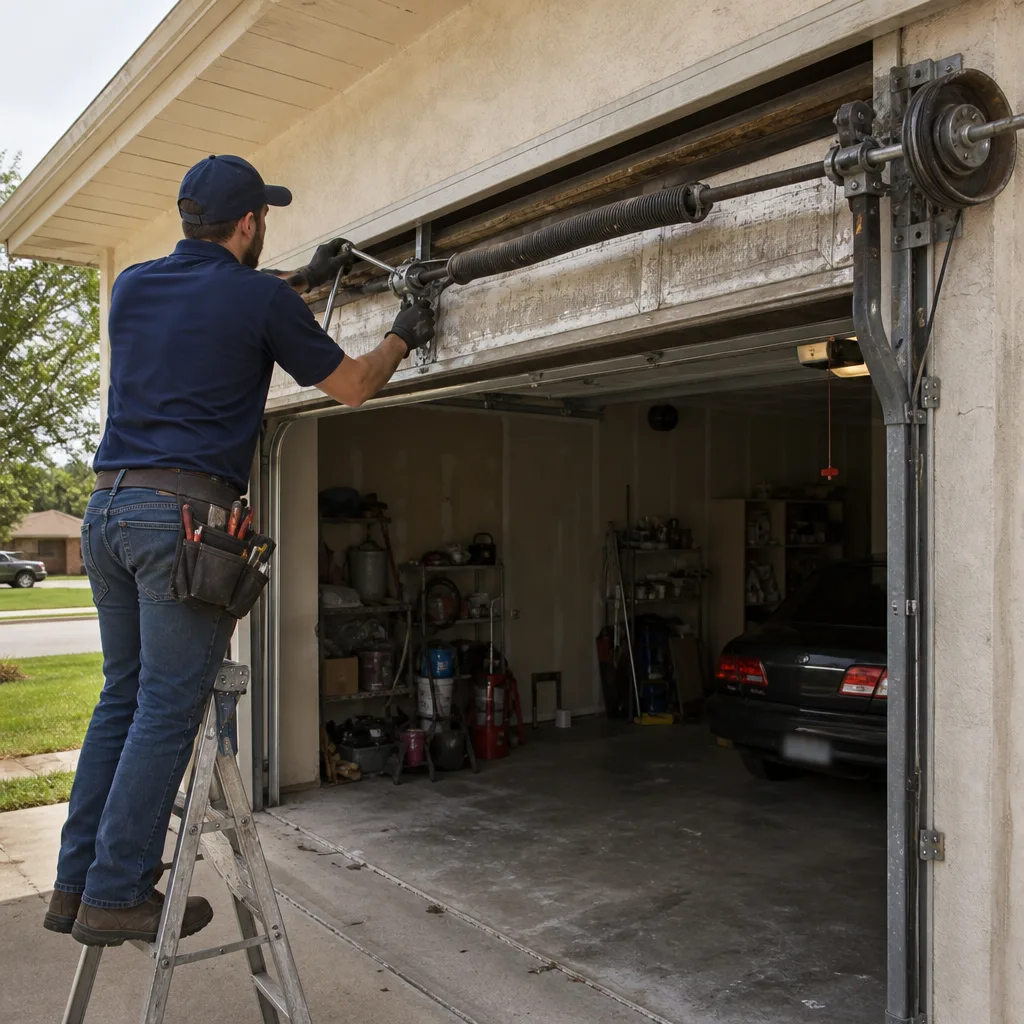 Before
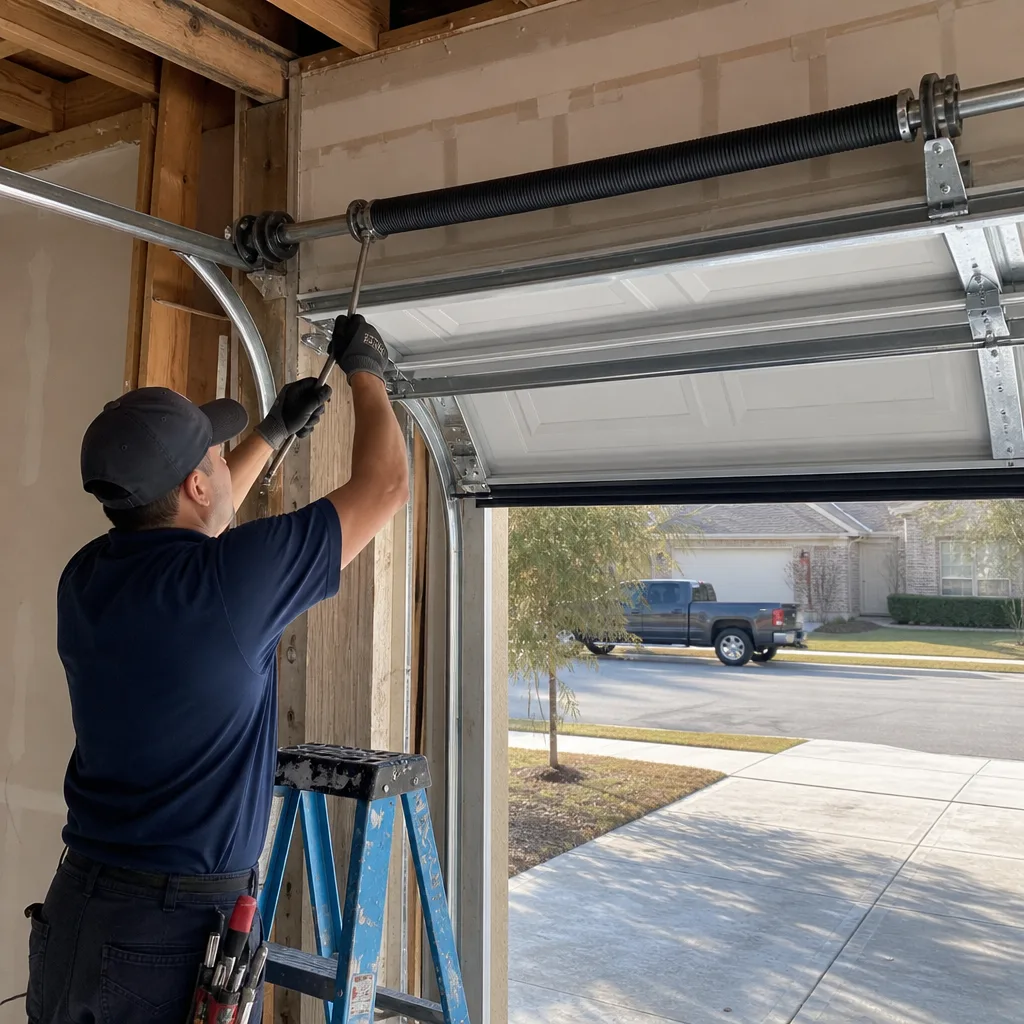 After
After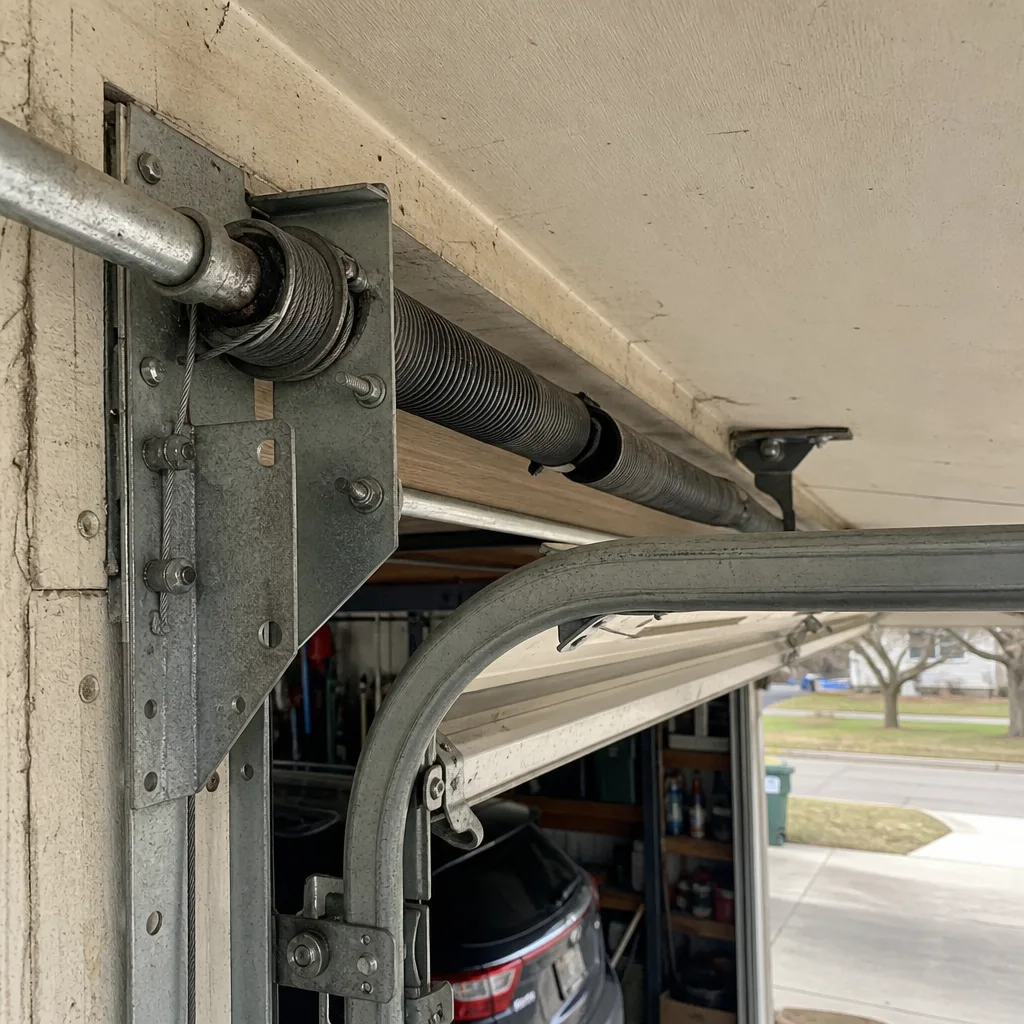 Before
 After
After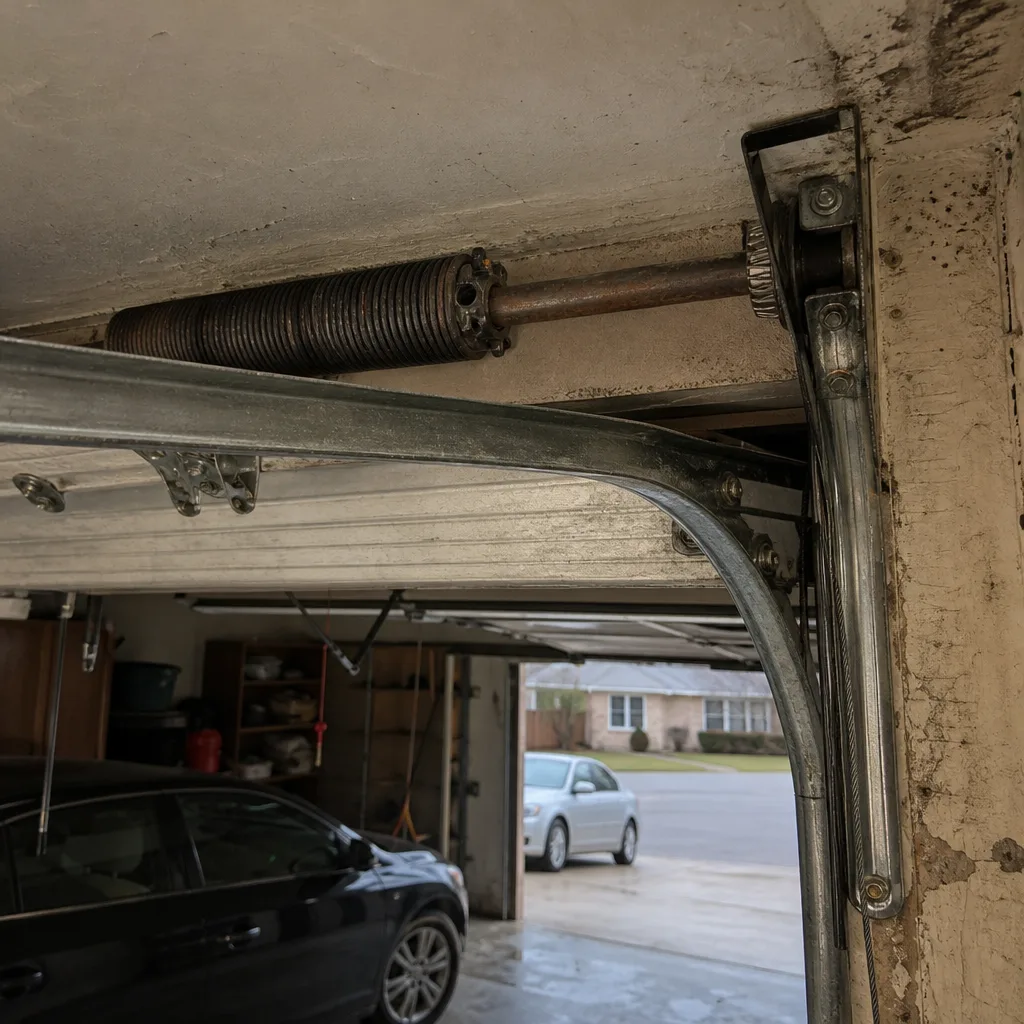 Before
 After
After